Description
Description
Echinacea paradox - Yellow Coneflower
Uses of the yellow coneflower
Benefits
Growing this Yellow Perennial is Manageable It is a hardy plant that can be successfully cultivated in a range of soils and climates‚ although full sun to partial shade is preferred‚ and requires a moderate amount of watering․ It is grown from seed or divided‚ in pots or in garden beds․ It is easy to maintain‚ requiring only some occasional pruning and deadheading of flower heads to encourage growth․ Ecological Importance of This Essential Plant Yellow Coneflower provides important habitat and food for many species of wildlife․ The plant is an important source of nectar to pollinators‚ including bees and butterflies‚ and it helps to support the biodiversity and health of its local ecosystem․ It is also allelopathic‚ creating a chemical barrier in the soil to prevent the sprouting of other plants and the spread of invasive plants in the natural habitats where it grows․ Its importance also lies in medicine‚ ecology‚ and horticulture․ Its bright yellow flowers‚ immune system-increasing properties‚ and easy cultivation make it a popular choice for gardeners and herbalists in the United States and beyond․ Its importance also includes attracting pollinators and its status as an allelopathic plant‚ which helps maintain a healthy ecosystem․
It is a hardy plant that can be successfully cultivated in a range of soils and climates‚ although full sun to partial shade is preferred‚ and requires a moderate amount of watering․ It is grown from seed or divided‚ in pots or in garden beds․ It is easy to maintain‚ requiring only some occasional pruning and deadheading of flower heads to encourage growth․ Ecological Importance of This Essential Plant Yellow Coneflower provides important habitat and food for many species of wildlife․ The plant is an important source of nectar to pollinators‚ including bees and butterflies‚ and it helps to support the biodiversity and health of its local ecosystem․ It is also allelopathic‚ creating a chemical barrier in the soil to prevent the sprouting of other plants and the spread of invasive plants in the natural habitats where it grows․ Its importance also lies in medicine‚ ecology‚ and horticulture․ Its bright yellow flowers‚ immune system-increasing properties‚ and easy cultivation make it a popular choice for gardeners and herbalists in the United States and beyond․ Its importance also includes attracting pollinators and its status as an allelopathic plant‚ which helps maintain a healthy ecosystem․
Ecological Importance of This Essential Plant Yellow Coneflower provides important habitat and food for many species of wildlife․ The plant is an important source of nectar to pollinators‚ including bees and butterflies‚ and it helps to support the biodiversity and health of its local ecosystem․ It is also allelopathic‚ creating a chemical barrier in the soil to prevent the sprouting of other plants and the spread of invasive plants in the natural habitats where it grows․ Its importance also lies in medicine‚ ecology‚ and horticulture․ Its bright yellow flowers‚ immune system-increasing properties‚ and easy cultivation make it a popular choice for gardeners and herbalists in the United States and beyond․ Its importance also includes attracting pollinators and its status as an allelopathic plant‚ which helps maintain a healthy ecosystem․
Its importance also lies in medicine‚ ecology‚ and horticulture․ Its bright yellow flowers‚ immune system-increasing properties‚ and easy cultivation make it a popular choice for gardeners and herbalists in the United States and beyond․ Its importance also includes attracting pollinators and its status as an allelopathic plant‚ which helps maintain a healthy ecosystem․
Planting & Care
Planting & Care
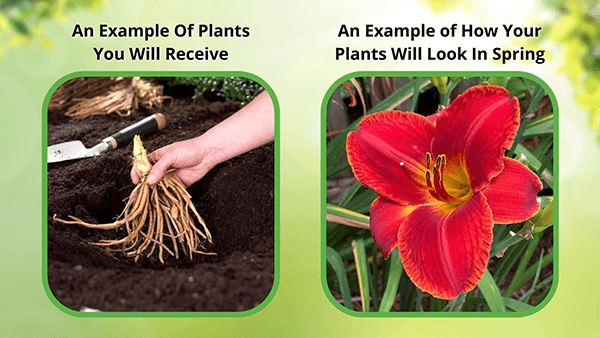
Plant bare-root stock as soon as it arrives, in well-drained soil with full to partial sun unless noted otherwise above. Water deeply once a week during the first growing season to establish a strong root system.
Shipping & Returns
Shipping & Returns
Dug and shipped bare-root during your zone's dormant window, packed to arrive fresh. Every order is backed by our first-season establishment guarantee — we'll replace it for you.