Description
Description
Quercus phellos - Willow Oak Tree
The Willow Oak tree is a beautiful and stately deciduous tree․ The tree is eye-catching and can lend charm and beauty to any landscape․ Its shape is very unusual and well liked by residential and commercial developers․ It provides shade‚ aesthetic appeal‚ and ecological benefits․ The appearance of the Willow Oak Tree The tree has a tall‚ straight trunk with a narrow‚ rounded top‚ and can reach a height of 80 feet․ The long‚ narrow leaves are willowy in shape‚ hence the common name‚ and are very similar to those of the willow․ It has small inconspicuous flowers in Spring (April to May)‚ and the leaves change to a yellowish-brown color in Fall (End of October)․ The Tree's Growing Conditions The tree is tolerant of clay‚ loam‚ and sand‚ but prefers to have well-drained‚ moist soil․ It is tolerant of full-sun and partial-shade sites․ The tree is resistant to disease and insects‚ making it a low-maintenance plant that is suitable for many different landscapes throughout the United States․ Ecological Benefits Of The Tree It is also considered to be an ecologically valuable tree․ It is suited for use in landscaping‚ where it could be used as a shade tree to reduce energy costs in summer․ The woods and grasses are a habitat for many species‚ including birds and squirrels․ It can also improve air and water quality‚ by absorbing carbon dioxide and filtering any impurities from the ground․ Uses The Tree is Versatile in Various Settings In horticultural use (residential‚ public park‚ and commercial landscape)‚ it can be planted as a single tree‚ in groups of two or more for a dramatic effect‚ or used for shade tree effects along residential driveways and sidewalks․ The Oak Tree is a majestic and versatile addition to any landscape․ Given its distinctive form‚ durability‚ and ecological contributions‚ it is a preferred shrub for homeowners‚ landscaping professionals‚ and commercial property owners․ Consider planting one in your yard and enjoy its lasting beauty․ In spring‚ new leaves sprout and are spear-like and light green․ They mature to dark green during summer‚ then to yellow and red during fall․ It can be found in streams and in most other lowland floodplain types․ Expect the tree to grow in hardiness zones 5-9․ It is an ornamental tree whose broad canopy generates shade near the ground․ In landscapes‚ the tree is well known for its odd canopy and has an impressive appearance‚ and it is used as a golf course landscape tree because of its rapid growth․ It can reach heights of 40-60 ft (12-18 m)‚ and has a spread of 30 to 40 ft․ At a moderate rate of 13 to 24 in (33 to 61 cm) per year․ It thrives in acid‚ wet‚ and clay soil‚ tolerates badly drained soil‚ and is easier to transplant than most other oaks․ The tree has erect‚ spear shaped leaves‚ up to 5 inches long‚ with a small bristle at the apex․ Young trees are pyramidal in shape, but they become rounded as they grow․ The acorns of this tree are a preferred food for squirrels‚ quail‚ and whitetail deer․ Because of its large, colorful, fast-growing leaves, the tree makes a great show․ It is popular horticulturally and common in the United States South, including Atlanta and Washington‚ D․C․ It is often seen as a street tree‚ in mall parking lots, and in parks․ The Tree Has a Uniquely Handsome beauty Summer foliage is light green‚ becoming a warm yellow in autumn‚ with leaf shapes similar to those in the willow family․ It is a tree with a moderate growth rate and moderate watering needs‚ tolerating dry conditions to some degree․ Like other members of the genus‚ the Willow Oak Tree bears many acorns․ A mature Willow Oak can produce two large buckets of acorns per year․ These acorns are food for deer‚ squirrels‚ and many other bird species․
The appearance of the Willow Oak Tree
The tree has a tall‚ straight trunk with a narrow‚ rounded top‚ and can reach a height of 80 feet․ The long‚ narrow leaves are willowy in shape‚ hence the common name‚ and are very similar to those of the willow․ It has small inconspicuous flowers in Spring (April to May)‚ and the leaves change to a yellowish-brown color in Fall (End of October)․ The Tree's Growing Conditions The tree is tolerant of clay‚ loam‚ and sand‚ but prefers to have well-drained‚ moist soil․ It is tolerant of full-sun and partial-shade sites․ The tree is resistant to disease and insects‚ making it a low-maintenance plant that is suitable for many different landscapes throughout the United States․ Ecological Benefits Of The Tree It is also considered to be an ecologically valuable tree․ It is suited for use in landscaping‚ where it could be used as a shade tree to reduce energy costs in summer․ The woods and grasses are a habitat for many species‚ including birds and squirrels․ It can also improve air and water quality‚ by absorbing carbon dioxide and filtering any impurities from the ground․ Uses The Tree is Versatile in Various Settings In horticultural use (residential‚ public park‚ and commercial landscape)‚ it can be planted as a single tree‚ in groups of two or more for a dramatic effect‚ or used for shade tree effects along residential driveways and sidewalks․ The Oak Tree is a majestic and versatile addition to any landscape․ Given its distinctive form‚ durability‚ and ecological contributions‚ it is a preferred shrub for homeowners‚ landscaping professionals‚ and commercial property owners․ Consider planting one in your yard and enjoy its lasting beauty․ In spring‚ new leaves sprout and are spear-like and light green․ They mature to dark green during summer‚ then to yellow and red during fall․ It can be found in streams and in most other lowland floodplain types․ Expect the tree to grow in hardiness zones 5-9․ It is an ornamental tree whose broad canopy generates shade near the ground․ In landscapes‚ the tree is well known for its odd canopy and has an impressive appearance‚ and it is used as a golf course landscape tree because of its rapid growth․ It can reach heights of 40-60 ft (12-18 m)‚ and has a spread of 30 to 40 ft․ At a moderate rate of 13 to 24 in (33 to 61 cm) per year․ It thrives in acid‚ wet‚ and clay soil‚ tolerates badly drained soil‚ and is easier to transplant than most other oaks․ The tree has erect‚ spear shaped leaves‚ up to 5 inches long‚ with a small bristle at the apex․ Young trees are pyramidal in shape, but they become rounded as they grow․ The acorns of this tree are a preferred food for squirrels‚ quail‚ and whitetail deer․ Because of its large, colorful, fast-growing leaves, the tree makes a great show․ It is popular horticulturally and common in the United States South, including Atlanta and Washington‚ D․C․ It is often seen as a street tree‚ in mall parking lots, and in parks․ The Tree Has a Uniquely Handsome beauty Summer foliage is light green‚ becoming a warm yellow in autumn‚ with leaf shapes similar to those in the willow family․ It is a tree with a moderate growth rate and moderate watering needs‚ tolerating dry conditions to some degree․ Like other members of the genus‚ the Willow Oak Tree bears many acorns․ A mature Willow Oak can produce two large buckets of acorns per year․ These acorns are food for deer‚ squirrels‚ and many other bird species․
The Tree's Growing Conditions
Ecological Benefits Of The Tree
Uses
The Tree is Versatile in Various Settings In horticultural use (residential‚ public park‚ and commercial landscape)‚ it can be planted as a single tree‚ in groups of two or more for a dramatic effect‚ or used for shade tree effects along residential driveways and sidewalks․ The Oak Tree is a majestic and versatile addition to any landscape․ Given its distinctive form‚ durability‚ and ecological contributions‚ it is a preferred shrub for homeowners‚ landscaping professionals‚ and commercial property owners․ Consider planting one in your yard and enjoy its lasting beauty․ In spring‚ new leaves sprout and are spear-like and light green․ They mature to dark green during summer‚ then to yellow and red during fall․ It can be found in streams and in most other lowland floodplain types․ Expect the tree to grow in hardiness zones 5-9․ It is an ornamental tree whose broad canopy generates shade near the ground․ In landscapes‚ the tree is well known for its odd canopy and has an impressive appearance‚ and it is used as a golf course landscape tree because of its rapid growth․ It can reach heights of 40-60 ft (12-18 m)‚ and has a spread of 30 to 40 ft․ At a moderate rate of 13 to 24 in (33 to 61 cm) per year․ It thrives in acid‚ wet‚ and clay soil‚ tolerates badly drained soil‚ and is easier to transplant than most other oaks․ The tree has erect‚ spear shaped leaves‚ up to 5 inches long‚ with a small bristle at the apex․ Young trees are pyramidal in shape, but they become rounded as they grow․ The acorns of this tree are a preferred food for squirrels‚ quail‚ and whitetail deer․ Because of its large, colorful, fast-growing leaves, the tree makes a great show․ It is popular horticulturally and common in the United States South, including Atlanta and Washington‚ D․C․ It is often seen as a street tree‚ in mall parking lots, and in parks․ The Tree Has a Uniquely Handsome beauty Summer foliage is light green‚ becoming a warm yellow in autumn‚ with leaf shapes similar to those in the willow family․ It is a tree with a moderate growth rate and moderate watering needs‚ tolerating dry conditions to some degree․ Like other members of the genus‚ the Willow Oak Tree bears many acorns․ A mature Willow Oak can produce two large buckets of acorns per year․ These acorns are food for deer‚ squirrels‚ and many other bird species․
In spring‚ new leaves sprout and are spear-like and light green․ They mature to dark green during summer‚ then to yellow and red during fall․ It can be found in streams and in most other lowland floodplain types․
Expect the tree to grow in hardiness zones 5-9․ It is an ornamental tree whose broad canopy generates shade near the ground․ In landscapes‚ the tree is well known for its odd canopy and has an impressive appearance‚ and it is used as a golf course landscape tree because of its rapid growth․ It can reach heights of 40-60 ft (12-18 m)‚ and has a spread of 30 to 40 ft․ At a moderate rate of 13 to 24 in (33 to 61 cm) per year․ It thrives in acid‚ wet‚ and clay soil‚ tolerates badly drained soil‚ and is easier to transplant than most other oaks․ The tree has erect‚ spear shaped leaves‚ up to 5 inches long‚ with a small bristle at the apex․ Young trees are pyramidal in shape, but they become rounded as they grow․ The acorns of this tree are a preferred food for squirrels‚ quail‚ and whitetail deer․ Because of its large, colorful, fast-growing leaves, the tree makes a great show․ It is popular horticulturally and common in the United States South, including Atlanta and Washington‚ D․C․ It is often seen as a street tree‚ in mall parking lots, and in parks․ The Tree Has a Uniquely Handsome beauty Summer foliage is light green‚ becoming a warm yellow in autumn‚ with leaf shapes similar to those in the willow family․ It is a tree with a moderate growth rate and moderate watering needs‚ tolerating dry conditions to some degree․ Like other members of the genus‚ the Willow Oak Tree bears many acorns․ A mature Willow Oak can produce two large buckets of acorns per year․ These acorns are food for deer‚ squirrels‚ and many other bird species․
It can reach heights of 40-60 ft (12-18 m)‚ and has a spread of 30 to 40 ft․ At a moderate rate of 13 to 24 in (33 to 61 cm) per year․ It thrives in acid‚ wet‚ and clay soil‚ tolerates badly drained soil‚ and is easier to transplant than most other oaks․ The tree has erect‚ spear shaped leaves‚ up to 5 inches long‚ with a small bristle at the apex․ Young trees are pyramidal in shape, but they become rounded as they grow․ The acorns of this tree are a preferred food for squirrels‚ quail‚ and whitetail deer․ Because of its large, colorful, fast-growing leaves, the tree makes a great show․ It is popular horticulturally and common in the United States South, including Atlanta and Washington‚ D․C․ It is often seen as a street tree‚ in mall parking lots, and in parks․ The Tree Has a Uniquely Handsome beauty Summer foliage is light green‚ becoming a warm yellow in autumn‚ with leaf shapes similar to those in the willow family․ It is a tree with a moderate growth rate and moderate watering needs‚ tolerating dry conditions to some degree․ Like other members of the genus‚ the Willow Oak Tree bears many acorns․ A mature Willow Oak can produce two large buckets of acorns per year․ These acorns are food for deer‚ squirrels‚ and many other bird species․
The tree has erect‚ spear shaped leaves‚ up to 5 inches long‚ with a small bristle at the apex․ Young trees are pyramidal in shape, but they become rounded as they grow․ The acorns of this tree are a preferred food for squirrels‚ quail‚ and whitetail deer․ Because of its large, colorful, fast-growing leaves, the tree makes a great show․ It is popular horticulturally and common in the United States South, including Atlanta and Washington‚ D․C․ It is often seen as a street tree‚ in mall parking lots, and in parks․ The Tree Has a Uniquely Handsome beauty Summer foliage is light green‚ becoming a warm yellow in autumn‚ with leaf shapes similar to those in the willow family․ It is a tree with a moderate growth rate and moderate watering needs‚ tolerating dry conditions to some degree․ Like other members of the genus‚ the Willow Oak Tree bears many acorns․ A mature Willow Oak can produce two large buckets of acorns per year․ These acorns are food for deer‚ squirrels‚ and many other bird species․
Because of its large, colorful, fast-growing leaves, the tree makes a great show․ It is popular horticulturally and common in the United States South, including Atlanta and Washington‚ D․C․ It is often seen as a street tree‚ in mall parking lots, and in parks․
The Tree Has a Uniquely Handsome beauty
Summer foliage is light green‚ becoming a warm yellow in autumn‚ with leaf shapes similar to those in the willow family․ It is a tree with a moderate growth rate and moderate watering needs‚ tolerating dry conditions to some degree․ Like other members of the genus‚ the Willow Oak Tree bears many acorns․ A mature Willow Oak can produce two large buckets of acorns per year․ These acorns are food for deer‚ squirrels‚ and many other bird species․
Planting & Care
Planting & Care
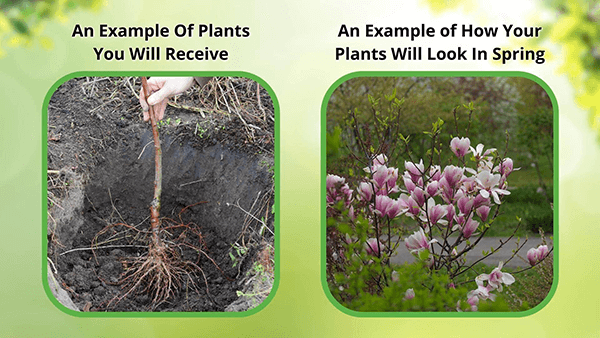
Plant bare-root stock as soon as it arrives, in well-drained soil with full to partial sun unless noted otherwise above. Water deeply once a week during the first growing season to establish a strong root system.
Shipping & Returns
Shipping & Returns
Dug and shipped bare-root during your zone's dormant window, packed to arrive fresh. Every order is backed by our first-season establishment guarantee — we'll replace it for you.