Description
Description
Asarum canadense - Wild Ginger
Wild ginger is a North American herbaceous understory perennial plant that grows in deciduous forests of the United States and Canada‚ propagating via rhizome and remaining close to the ground‚ hence the common name․ The heart-shaped leaves are mottled green‚ and the flowers‚ which are bell-shaped and pendant‚ grow beneath the leaves․ The plant was named due to the very strong smell of its rhizome which is very much like the ginger root‚ although they are not related․ Uses For Wild Ginger This Perennial has been used in customary medicine by indigenous peoples for digestive problems‚ headaches‚ menstrual cramps‚ and respiratory diseases․ Leaves are harvested in spring and fall and can be used raw or in a dried form․ The leaves are used to make tea and can be employed as a digestive‚ stimulant‚ expectorant‚ or tonic‚ just like some other species in the family․ The root can be made into an infusion and applied externally as a poultice for cuts‚ burns‚ and sore muscles․ Besides its medicinal benefits, it is also used in culinary traditions․ The root is pungent and spicy‚ with flavors reminiscent of ginger but earthier․ It can be used in place of ginger in many dishes and is sometimes used to flavor soups‚ stews‚ marinades‚ or as a fresh or dried seasoning in soups‚ salads‚ salad dressings‚ bread, and sauces․ This wild plant is essential to the local wildlife․ Many species feed on this perennial․ Flies are a common pollinator of the plant‚ and they are drawn to it by the scent of the root․ Several animals‚ including deer‚ rabbits, and groundhogs‚ feed on the leaves․ Many small mammals and birds, as well as insects, seek shelter within the dense foliage․ A member of the Birthwort family (from the Asarum species), it grows in North America and Europe in deciduous and coniferous forests‚ and has historically been used both medicinally and as a spice․ It is a slow-growing plant but spreads by rhizome․ Most species are evergreen․ However‚ a few are deciduous․ Ginger prefers areas with shade and shade gardens‚ where it grows well in moist‚ rich‚ and well-drained soil․ This Perennials Bloom Season Depending on variety‚ flowers bloom in early spring through fall‚ although some species can stop flowering as early as May․ Flower color ranges from deep maroon-brown to fleshy white trumpets․ The flowers are difficult to see as they are hidden under dense leaves․ Growth It has a clumping habit and grows to 6 inches in height and a spread of 6-12 inches․ This plant likes to form a symbiotic relationship with fungi Soil Type Preferred The plant requires loamy‚ moist soil and a temperature of 65 - 70 degrees for germination‚ a process that takes between two and four weeks․ Once the seedlings have grown sufficiently‚ they can be potted on into containers for a year before placing them in the ground․ Sun or shade It needs to grow in partial or complete shade Wild Ginger plants start growing in late winter, that is, a month before the last killing frost․ Seeds can be started indoors if stored in the freezer for three weeks before sowing and placed in flats or pots․ It needs to be watered regularly and can be planted in shade gardens‚ among trees, or in forest areas․ Most species have heart-shaped leaves and hairy stems․ Ginger grows to between six and eight inches and forms dense‚ dull-green mats․
Uses For Wild Ginger
This Perennial has been used in customary medicine by indigenous peoples for digestive problems‚ headaches‚ menstrual cramps‚ and respiratory diseases․ Leaves are harvested in spring and fall and can be used raw or in a dried form․ The leaves are used to make tea and can be employed as a digestive‚ stimulant‚ expectorant‚ or tonic‚ just like some other species in the family․ The root can be made into an infusion and applied externally as a poultice for cuts‚ burns‚ and sore muscles․ Besides its medicinal benefits, it is also used in culinary traditions․ The root is pungent and spicy‚ with flavors reminiscent of ginger but earthier․ It can be used in place of ginger in many dishes and is sometimes used to flavor soups‚ stews‚ marinades‚ or as a fresh or dried seasoning in soups‚ salads‚ salad dressings‚ bread, and sauces․ This wild plant is essential to the local wildlife․ Many species feed on this perennial․ Flies are a common pollinator of the plant‚ and they are drawn to it by the scent of the root․ Several animals‚ including deer‚ rabbits, and groundhogs‚ feed on the leaves․ Many small mammals and birds, as well as insects, seek shelter within the dense foliage․ A member of the Birthwort family (from the Asarum species), it grows in North America and Europe in deciduous and coniferous forests‚ and has historically been used both medicinally and as a spice․ It is a slow-growing plant but spreads by rhizome․ Most species are evergreen․ However‚ a few are deciduous․ Ginger prefers areas with shade and shade gardens‚ where it grows well in moist‚ rich‚ and well-drained soil․ This Perennials Bloom Season Depending on variety‚ flowers bloom in early spring through fall‚ although some species can stop flowering as early as May․ Flower color ranges from deep maroon-brown to fleshy white trumpets․ The flowers are difficult to see as they are hidden under dense leaves․ Growth It has a clumping habit and grows to 6 inches in height and a spread of 6-12 inches․ This plant likes to form a symbiotic relationship with fungi Soil Type Preferred The plant requires loamy‚ moist soil and a temperature of 65 - 70 degrees for germination‚ a process that takes between two and four weeks․ Once the seedlings have grown sufficiently‚ they can be potted on into containers for a year before placing them in the ground․ Sun or shade It needs to grow in partial or complete shade Wild Ginger plants start growing in late winter, that is, a month before the last killing frost․ Seeds can be started indoors if stored in the freezer for three weeks before sowing and placed in flats or pots․ It needs to be watered regularly and can be planted in shade gardens‚ among trees, or in forest areas․ Most species have heart-shaped leaves and hairy stems․ Ginger grows to between six and eight inches and forms dense‚ dull-green mats․
Besides its medicinal benefits, it is also used in culinary traditions․ The root is pungent and spicy‚ with flavors reminiscent of ginger but earthier․ It can be used in place of ginger in many dishes and is sometimes used to flavor soups‚ stews‚ marinades‚ or as a fresh or dried seasoning in soups‚ salads‚ salad dressings‚ bread, and sauces․ This wild plant is essential to the local wildlife․ Many species feed on this perennial․ Flies are a common pollinator of the plant‚ and they are drawn to it by the scent of the root․ Several animals‚ including deer‚ rabbits, and groundhogs‚ feed on the leaves․ Many small mammals and birds, as well as insects, seek shelter within the dense foliage․ A member of the Birthwort family (from the Asarum species), it grows in North America and Europe in deciduous and coniferous forests‚ and has historically been used both medicinally and as a spice․ It is a slow-growing plant but spreads by rhizome․ Most species are evergreen․ However‚ a few are deciduous․ Ginger prefers areas with shade and shade gardens‚ where it grows well in moist‚ rich‚ and well-drained soil․ This Perennials Bloom Season Depending on variety‚ flowers bloom in early spring through fall‚ although some species can stop flowering as early as May․ Flower color ranges from deep maroon-brown to fleshy white trumpets․ The flowers are difficult to see as they are hidden under dense leaves․ Growth It has a clumping habit and grows to 6 inches in height and a spread of 6-12 inches․ This plant likes to form a symbiotic relationship with fungi Soil Type Preferred The plant requires loamy‚ moist soil and a temperature of 65 - 70 degrees for germination‚ a process that takes between two and four weeks․ Once the seedlings have grown sufficiently‚ they can be potted on into containers for a year before placing them in the ground․ Sun or shade It needs to grow in partial or complete shade Wild Ginger plants start growing in late winter, that is, a month before the last killing frost․ Seeds can be started indoors if stored in the freezer for three weeks before sowing and placed in flats or pots․ It needs to be watered regularly and can be planted in shade gardens‚ among trees, or in forest areas․ Most species have heart-shaped leaves and hairy stems․ Ginger grows to between six and eight inches and forms dense‚ dull-green mats․
This wild plant is essential to the local wildlife․ Many species feed on this perennial․ Flies are a common pollinator of the plant‚ and they are drawn to it by the scent of the root․ Several animals‚ including deer‚ rabbits, and groundhogs‚ feed on the leaves․ Many small mammals and birds, as well as insects, seek shelter within the dense foliage․ A member of the Birthwort family (from the Asarum species), it grows in North America and Europe in deciduous and coniferous forests‚ and has historically been used both medicinally and as a spice․ It is a slow-growing plant but spreads by rhizome․ Most species are evergreen․ However‚ a few are deciduous․ Ginger prefers areas with shade and shade gardens‚ where it grows well in moist‚ rich‚ and well-drained soil․ This Perennials Bloom Season Depending on variety‚ flowers bloom in early spring through fall‚ although some species can stop flowering as early as May․ Flower color ranges from deep maroon-brown to fleshy white trumpets․ The flowers are difficult to see as they are hidden under dense leaves․ Growth It has a clumping habit and grows to 6 inches in height and a spread of 6-12 inches․ This plant likes to form a symbiotic relationship with fungi Soil Type Preferred The plant requires loamy‚ moist soil and a temperature of 65 - 70 degrees for germination‚ a process that takes between two and four weeks․ Once the seedlings have grown sufficiently‚ they can be potted on into containers for a year before placing them in the ground․ Sun or shade It needs to grow in partial or complete shade Wild Ginger plants start growing in late winter, that is, a month before the last killing frost․ Seeds can be started indoors if stored in the freezer for three weeks before sowing and placed in flats or pots․ It needs to be watered regularly and can be planted in shade gardens‚ among trees, or in forest areas․ Most species have heart-shaped leaves and hairy stems․ Ginger grows to between six and eight inches and forms dense‚ dull-green mats․
Many species feed on this perennial․ Flies are a common pollinator of the plant‚ and they are drawn to it by the scent of the root․ Several animals‚ including deer‚ rabbits, and groundhogs‚ feed on the leaves․ Many small mammals and birds, as well as insects, seek shelter within the dense foliage․ A member of the Birthwort family (from the Asarum species), it grows in North America and Europe in deciduous and coniferous forests‚ and has historically been used both medicinally and as a spice․ It is a slow-growing plant but spreads by rhizome․ Most species are evergreen․ However‚ a few are deciduous․ Ginger prefers areas with shade and shade gardens‚ where it grows well in moist‚ rich‚ and well-drained soil․ This Perennials Bloom Season Depending on variety‚ flowers bloom in early spring through fall‚ although some species can stop flowering as early as May․ Flower color ranges from deep maroon-brown to fleshy white trumpets․ The flowers are difficult to see as they are hidden under dense leaves․ Growth It has a clumping habit and grows to 6 inches in height and a spread of 6-12 inches․ This plant likes to form a symbiotic relationship with fungi Soil Type Preferred The plant requires loamy‚ moist soil and a temperature of 65 - 70 degrees for germination‚ a process that takes between two and four weeks․ Once the seedlings have grown sufficiently‚ they can be potted on into containers for a year before placing them in the ground․ Sun or shade It needs to grow in partial or complete shade Wild Ginger plants start growing in late winter, that is, a month before the last killing frost․ Seeds can be started indoors if stored in the freezer for three weeks before sowing and placed in flats or pots․ It needs to be watered regularly and can be planted in shade gardens‚ among trees, or in forest areas․ Most species have heart-shaped leaves and hairy stems․ Ginger grows to between six and eight inches and forms dense‚ dull-green mats․
A member of the Birthwort family (from the Asarum species), it grows in North America and Europe in deciduous and coniferous forests‚ and has historically been used both medicinally and as a spice․ It is a slow-growing plant but spreads by rhizome․ Most species are evergreen․ However‚ a few are deciduous․ Ginger prefers areas with shade and shade gardens‚ where it grows well in moist‚ rich‚ and well-drained soil․ This Perennials Bloom Season Depending on variety‚ flowers bloom in early spring through fall‚ although some species can stop flowering as early as May․ Flower color ranges from deep maroon-brown to fleshy white trumpets․ The flowers are difficult to see as they are hidden under dense leaves․ Growth It has a clumping habit and grows to 6 inches in height and a spread of 6-12 inches․ This plant likes to form a symbiotic relationship with fungi Soil Type Preferred The plant requires loamy‚ moist soil and a temperature of 65 - 70 degrees for germination‚ a process that takes between two and four weeks․ Once the seedlings have grown sufficiently‚ they can be potted on into containers for a year before placing them in the ground․ Sun or shade It needs to grow in partial or complete shade Wild Ginger plants start growing in late winter, that is, a month before the last killing frost․ Seeds can be started indoors if stored in the freezer for three weeks before sowing and placed in flats or pots․ It needs to be watered regularly and can be planted in shade gardens‚ among trees, or in forest areas․ Most species have heart-shaped leaves and hairy stems․ Ginger grows to between six and eight inches and forms dense‚ dull-green mats․
It is a slow-growing plant but spreads by rhizome․ Most species are evergreen․ However‚ a few are deciduous․ Ginger prefers areas with shade and shade gardens‚ where it grows well in moist‚ rich‚ and well-drained soil․ This Perennials Bloom Season Depending on variety‚ flowers bloom in early spring through fall‚ although some species can stop flowering as early as May․ Flower color ranges from deep maroon-brown to fleshy white trumpets․ The flowers are difficult to see as they are hidden under dense leaves․ Growth It has a clumping habit and grows to 6 inches in height and a spread of 6-12 inches․ This plant likes to form a symbiotic relationship with fungi Soil Type Preferred The plant requires loamy‚ moist soil and a temperature of 65 - 70 degrees for germination‚ a process that takes between two and four weeks․ Once the seedlings have grown sufficiently‚ they can be potted on into containers for a year before placing them in the ground․ Sun or shade It needs to grow in partial or complete shade Wild Ginger plants start growing in late winter, that is, a month before the last killing frost․ Seeds can be started indoors if stored in the freezer for three weeks before sowing and placed in flats or pots․ It needs to be watered regularly and can be planted in shade gardens‚ among trees, or in forest areas․ Most species have heart-shaped leaves and hairy stems․ Ginger grows to between six and eight inches and forms dense‚ dull-green mats․
This Perennials Bloom Season
Depending on variety‚ flowers bloom in early spring through fall‚ although some species can stop flowering as early as May․ Flower color ranges from deep maroon-brown to fleshy white trumpets․ The flowers are difficult to see as they are hidden under dense leaves․ Growth It has a clumping habit and grows to 6 inches in height and a spread of 6-12 inches․ This plant likes to form a symbiotic relationship with fungi Soil Type Preferred The plant requires loamy‚ moist soil and a temperature of 65 - 70 degrees for germination‚ a process that takes between two and four weeks․ Once the seedlings have grown sufficiently‚ they can be potted on into containers for a year before placing them in the ground․ Sun or shade It needs to grow in partial or complete shade Wild Ginger plants start growing in late winter, that is, a month before the last killing frost․ Seeds can be started indoors if stored in the freezer for three weeks before sowing and placed in flats or pots․ It needs to be watered regularly and can be planted in shade gardens‚ among trees, or in forest areas․ Most species have heart-shaped leaves and hairy stems․ Ginger grows to between six and eight inches and forms dense‚ dull-green mats․
Growth
It has a clumping habit and grows to 6 inches in height and a spread of 6-12 inches․
This plant likes to form a symbiotic relationship with fungi
Soil Type Preferred
The plant requires loamy‚ moist soil and a temperature of 65 - 70 degrees for germination‚ a process that takes between two and four weeks․ Once the seedlings have grown sufficiently‚ they can be potted on into containers for a year before placing them in the ground․ Sun or shade It needs to grow in partial or complete shade Wild Ginger plants start growing in late winter, that is, a month before the last killing frost․ Seeds can be started indoors if stored in the freezer for three weeks before sowing and placed in flats or pots․ It needs to be watered regularly and can be planted in shade gardens‚ among trees, or in forest areas․ Most species have heart-shaped leaves and hairy stems․ Ginger grows to between six and eight inches and forms dense‚ dull-green mats․
Sun or shade
It needs to grow in partial or complete shade Wild Ginger plants start growing in late winter, that is, a month before the last killing frost․ Seeds can be started indoors if stored in the freezer for three weeks before sowing and placed in flats or pots․ It needs to be watered regularly and can be planted in shade gardens‚ among trees, or in forest areas․ Most species have heart-shaped leaves and hairy stems․ Ginger grows to between six and eight inches and forms dense‚ dull-green mats․
It needs to be watered regularly and can be planted in shade gardens‚ among trees, or in forest areas․ Most species have heart-shaped leaves and hairy stems․ Ginger grows to between six and eight inches and forms dense‚ dull-green mats․
Planting & Care
Planting & Care
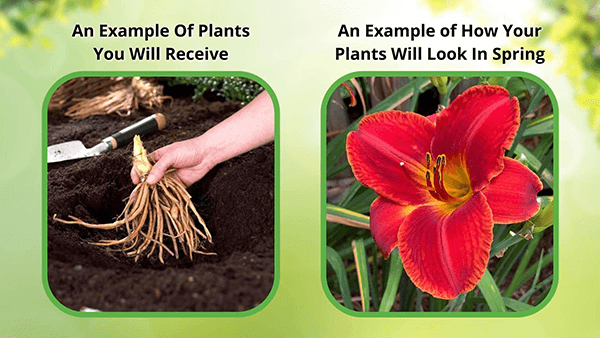
Plant bare-root stock as soon as it arrives, in well-drained soil with full to partial sun unless noted otherwise above. Water deeply once a week during the first growing season to establish a strong root system.
Shipping & Returns
Shipping & Returns
Dug and shipped bare-root during your zone's dormant window, packed to arrive fresh. Every order is backed by our first-season establishment guarantee — we'll replace it for you.