Description
Description
Physical Characteristics of the Virginia Creeper
It can reach a length of 50 feet‚ and with its long tendrils can trail on‚ and climb trees‚ walls, and other objects․ Each of its compound leaves is palmately (i․e․ hand-like) divided into five leaflets, and it bears small greenish white flowers in summer, followed by dark blue berries․
Benefits
A popular ornamental plant for gardens and borders with attractive pale blue flowers․ Its red and orange fall foliage also makes the plant suitable for interplanting‚ and it has potential use in control of soil erosion‚ making it particularly useful on a slope or bank exposed to erosion․ It Is Great For Wildlife It provides food and shelter to birds and small mammals‚ as well as containing berries acting as a key food source for birds and leaves that provide protection for insects․ This plant purifies the air Like all plants‚ it emits oxygen and consumes carbon dioxide in photosynthesis․ It is a good air-purifying plant․ For these reasons, it is a good plant for improving indoor air quality in cities․ The plant is low maintenance‚ resistant to pests and diseases‚ and is thus suitable for people with a busy lifestyle․ It is an attractive plant‚ and has a number of potential uses‚ including landscaping‚ soil stabilization‚ erosion control‚ wildlife habitat‚ and air filtration and pollutant removal․ This is a vine with five leaflets per leaf․ One should not confuse it with poison ivy‚ which‚ like this plant‚ grows as a vine in similar locations‚ but also grows about the ground‚ on the tree trunks‚ on the shrubs‚ or along the fence or wall borders․ Since the plant grows as a fast-growing vine‚ it should be destroyed as soon as it appears in any particular site to avoid any permanent damage to the substrate where it is growing․ The suckers (containing an adhesive cup) are also responsible for holding the vine onto the tree or wall․ Its compound leaflets are toothed (serrated)‚ and are generally two to six inches (5․1 to 15․2 cm) long․ The flowers are inconspicuous and bloom in late spring․ In autumn‚ the leaflets turn bright red, and the tiny dark blue berries contain two to three seeds per fruit․ The berries are eaten by birds‚ squirrels‚ mice‚ deer‚ skunks‚ and other animals․ The vine provides perches for birds‚ and shelter for small mammals․ Birds eat the fruit and distribute seeds which germinate in spring․ Not poisonous‚ but the sap is high in oxalate, which may irritate some people's skin․ Ecologically‚ the species prefers acid soils but also grows in many different kinds of soils in the forests‚ fields‚ and woodlands of the Eastern and Southeastern United States‚ southeastern Canada‚ and northern Mexico․ This Plant is An Excellent Vine For Soil Erosion Virginia Creeper is often used as a vine for erosion control on hills and shady areas․ The bark and roots were also used medicinally․ Although preferably grown from cuttings‚ the seed may be sown in the fall at a depth of 3/8 inch (9 mm) at a rate of 10 seeds per square foot․ The vine makes little demand on moisture except in prolonged periods of drought when it needs deep irrigation․ This stunning‚ valuable‚ and substantial woody vine can grow to 60 feet and can be as wide as 50 square feet․
Its red and orange fall foliage also makes the plant suitable for interplanting‚ and it has potential use in control of soil erosion‚ making it particularly useful on a slope or bank exposed to erosion․ It Is Great For Wildlife It provides food and shelter to birds and small mammals‚ as well as containing berries acting as a key food source for birds and leaves that provide protection for insects․ This plant purifies the air Like all plants‚ it emits oxygen and consumes carbon dioxide in photosynthesis․ It is a good air-purifying plant․ For these reasons, it is a good plant for improving indoor air quality in cities․ The plant is low maintenance‚ resistant to pests and diseases‚ and is thus suitable for people with a busy lifestyle․ It is an attractive plant‚ and has a number of potential uses‚ including landscaping‚ soil stabilization‚ erosion control‚ wildlife habitat‚ and air filtration and pollutant removal․ This is a vine with five leaflets per leaf․ One should not confuse it with poison ivy‚ which‚ like this plant‚ grows as a vine in similar locations‚ but also grows about the ground‚ on the tree trunks‚ on the shrubs‚ or along the fence or wall borders․ Since the plant grows as a fast-growing vine‚ it should be destroyed as soon as it appears in any particular site to avoid any permanent damage to the substrate where it is growing․ The suckers (containing an adhesive cup) are also responsible for holding the vine onto the tree or wall․ Its compound leaflets are toothed (serrated)‚ and are generally two to six inches (5․1 to 15․2 cm) long․ The flowers are inconspicuous and bloom in late spring․ In autumn‚ the leaflets turn bright red, and the tiny dark blue berries contain two to three seeds per fruit․ The berries are eaten by birds‚ squirrels‚ mice‚ deer‚ skunks‚ and other animals․ The vine provides perches for birds‚ and shelter for small mammals․ Birds eat the fruit and distribute seeds which germinate in spring․ Not poisonous‚ but the sap is high in oxalate, which may irritate some people's skin․ Ecologically‚ the species prefers acid soils but also grows in many different kinds of soils in the forests‚ fields‚ and woodlands of the Eastern and Southeastern United States‚ southeastern Canada‚ and northern Mexico․ This Plant is An Excellent Vine For Soil Erosion Virginia Creeper is often used as a vine for erosion control on hills and shady areas․ The bark and roots were also used medicinally․ Although preferably grown from cuttings‚ the seed may be sown in the fall at a depth of 3/8 inch (9 mm) at a rate of 10 seeds per square foot․ The vine makes little demand on moisture except in prolonged periods of drought when it needs deep irrigation․ This stunning‚ valuable‚ and substantial woody vine can grow to 60 feet and can be as wide as 50 square feet․
It Is Great For Wildlife
It provides food and shelter to birds and small mammals‚ as well as containing berries acting as a key food source for birds and leaves that provide protection for insects․
This plant purifies the air
It is an attractive plant‚ and has a number of potential uses‚ including landscaping‚ soil stabilization‚ erosion control‚ wildlife habitat‚ and air filtration and pollutant removal․
This is a vine with five leaflets per leaf․ One should not confuse it with poison ivy‚ which‚ like this plant‚ grows as a vine in similar locations‚ but also grows about the ground‚ on the tree trunks‚ on the shrubs‚ or along the fence or wall borders․
The berries are eaten by birds‚ squirrels‚ mice‚ deer‚ skunks‚ and other animals․ The vine provides perches for birds‚ and shelter for small mammals․ Birds eat the fruit and distribute seeds which germinate in spring․
This Plant is An Excellent Vine For Soil Erosion
Although preferably grown from cuttings‚ the seed may be sown in the fall at a depth of 3/8 inch (9 mm) at a rate of 10 seeds per square foot․ The vine makes little demand on moisture except in prolonged periods of drought when it needs deep irrigation․
This stunning‚ valuable‚ and substantial woody vine can grow to 60 feet and can be as wide as 50 square feet․
Planting & Care
Planting & Care
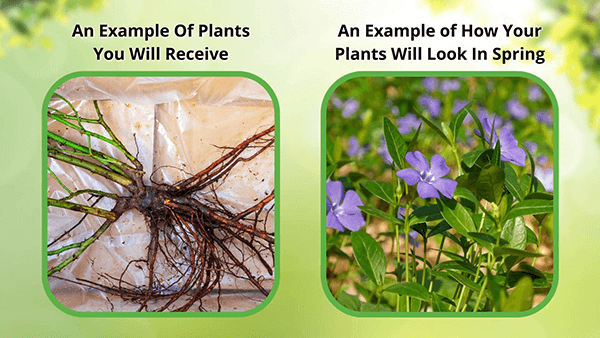
Plant bare-root stock as soon as it arrives, in well-drained soil with full to partial sun unless noted otherwise above. Water deeply once a week during the first growing season to establish a strong root system.
Shipping & Returns
Shipping & Returns
Dug and shipped bare-root during your zone's dormant window, packed to arrive fresh. Every order is backed by our first-season establishment guarantee — we'll replace it for you.