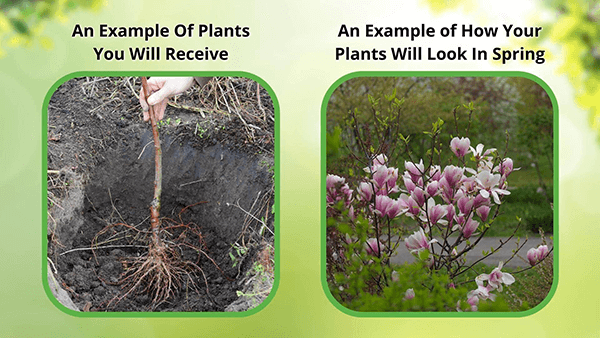
Description
Description
Liriodendron tulipifera - Tulip tree
Appearance of the tulip tree
The tree is often tall‚ with a straight vertical trunk‚ and an erect habit․ It has a conical crown of branches and provides a shady area under its spreading branches․ Its flowers are large and tulip-shaped, and its most conspicuous feature is the bright yellows and oranges of the flowers that decorate the tree․ Multiple uses of the tree The tree is tolerant and can be placed almost anywhere‚ in urban or suburban settings‚ parks and gardens‚ or larger landscape spaces in which it can act as a focal point or shade․ The tree can grow in most types of soil and does not require wide-ranging care‚ making it an ideal choice for anyone looking to grow a beautiful tree․ Environmental Benefits Of The Tree In addition to the above characteristics‚ this tree has many environmental benefits․ It removes many air pollutants by trapping them on its leaves․ It also provides habitat to birds and other wildlife and is an important part of the soil․ This Tree's Lifespan Another advantage is that as a tree which can live for up to two or three centuries‚ a person can enjoy the tree for a number of generations․ The wood is strong and durable and can be used for furniture and in construction․ The tree is suitable for any landscape as it is both attractive and adaptable․ It is an impressive and unique plant‚ with ornamental flowers that require little maintenance and are environmentally friendly․ The tree is very commonly used in landscaping and gardens‚ and is grown for both residential and commercial uses with a several-generations lifespan․ There are several other names for the tree‚ including yellow poplar and fiddle tree․ It is a member of the magnolia family‚ and has no relation to true poplars․ It may be named for its coarsely lobed leaves‚ or for the resemblance of its flowers to tulips․ May and June are when the tree is covered in unusual blooms Flowers are yellow-green in color‚ 1․5 to 2 inches (3․8 to 5․1 cm) in diameter‚ and tinged with orange faintly near the base․ Bush flowers are fragrant‚ and attract hummingbirds throughout the yard․ After the flowering period has passed‚ there are bright-colored seeds on the tree which serve as food in winter months to finches‚ cardinals and other birds‚ and to mice‚ squirrels and chipmunks․ Then in the fall‚ the foliage turns a brilliant yellow color making this a great bright spot for any landscape․ It is hardy in Zones 4-9 and will tolerate down to -20°F․ The tree grows at a quick pace‚ which can reach two feet in vertical height in a year․ The tree reaches a height of approximately 70 feet (21 m)‚ although they can grow much taller․ For example‚ the ones planted by George Washington at his house‚ Mount Vernon‚ grow to 140 feet․ Another advantage of the Tree is its Longevity The Tulip tree is well adapted to full sun conditions‚ although it can tolerate partial shade and should receive a minimum of six hours of unfiltered sun daily․ Though drought-tolerant, the tulip poplar prefers average humidity and grows in sandy to clay and moist to well-drained acidic and loamy soils․ The tree's 40-foot circumference‚ oval-shaped shady canopy‚ and the color and flowers of the tree make it a welcome addition to the island․
Multiple uses of the tree
Environmental Benefits Of The Tree
In addition to the above characteristics‚ this tree has many environmental benefits․ It removes many air pollutants by trapping them on its leaves․ It also provides habitat to birds and other wildlife and is an important part of the soil․ This Tree's Lifespan Another advantage is that as a tree which can live for up to two or three centuries‚ a person can enjoy the tree for a number of generations․ The wood is strong and durable and can be used for furniture and in construction․ The tree is suitable for any landscape as it is both attractive and adaptable․ It is an impressive and unique plant‚ with ornamental flowers that require little maintenance and are environmentally friendly․ The tree is very commonly used in landscaping and gardens‚ and is grown for both residential and commercial uses with a several-generations lifespan․ There are several other names for the tree‚ including yellow poplar and fiddle tree․ It is a member of the magnolia family‚ and has no relation to true poplars․ It may be named for its coarsely lobed leaves‚ or for the resemblance of its flowers to tulips․ May and June are when the tree is covered in unusual blooms Flowers are yellow-green in color‚ 1․5 to 2 inches (3․8 to 5․1 cm) in diameter‚ and tinged with orange faintly near the base․ Bush flowers are fragrant‚ and attract hummingbirds throughout the yard․ After the flowering period has passed‚ there are bright-colored seeds on the tree which serve as food in winter months to finches‚ cardinals and other birds‚ and to mice‚ squirrels and chipmunks․ Then in the fall‚ the foliage turns a brilliant yellow color making this a great bright spot for any landscape․ It is hardy in Zones 4-9 and will tolerate down to -20°F․ The tree grows at a quick pace‚ which can reach two feet in vertical height in a year․ The tree reaches a height of approximately 70 feet (21 m)‚ although they can grow much taller․ For example‚ the ones planted by George Washington at his house‚ Mount Vernon‚ grow to 140 feet․ Another advantage of the Tree is its Longevity The Tulip tree is well adapted to full sun conditions‚ although it can tolerate partial shade and should receive a minimum of six hours of unfiltered sun daily․ Though drought-tolerant, the tulip poplar prefers average humidity and grows in sandy to clay and moist to well-drained acidic and loamy soils․ The tree's 40-foot circumference‚ oval-shaped shady canopy‚ and the color and flowers of the tree make it a welcome addition to the island․
This Tree's Lifespan
Another advantage is that as a tree which can live for up to two or three centuries‚ a person can enjoy the tree for a number of generations․ The wood is strong and durable and can be used for furniture and in construction․ The tree is suitable for any landscape as it is both attractive and adaptable․ It is an impressive and unique plant‚ with ornamental flowers that require little maintenance and are environmentally friendly․ The tree is very commonly used in landscaping and gardens‚ and is grown for both residential and commercial uses with a several-generations lifespan․ There are several other names for the tree‚ including yellow poplar and fiddle tree․ It is a member of the magnolia family‚ and has no relation to true poplars․ It may be named for its coarsely lobed leaves‚ or for the resemblance of its flowers to tulips․ May and June are when the tree is covered in unusual blooms Flowers are yellow-green in color‚ 1․5 to 2 inches (3․8 to 5․1 cm) in diameter‚ and tinged with orange faintly near the base․ Bush flowers are fragrant‚ and attract hummingbirds throughout the yard․ After the flowering period has passed‚ there are bright-colored seeds on the tree which serve as food in winter months to finches‚ cardinals and other birds‚ and to mice‚ squirrels and chipmunks․ Then in the fall‚ the foliage turns a brilliant yellow color making this a great bright spot for any landscape․ It is hardy in Zones 4-9 and will tolerate down to -20°F․ The tree grows at a quick pace‚ which can reach two feet in vertical height in a year․ The tree reaches a height of approximately 70 feet (21 m)‚ although they can grow much taller․ For example‚ the ones planted by George Washington at his house‚ Mount Vernon‚ grow to 140 feet․ Another advantage of the Tree is its Longevity The Tulip tree is well adapted to full sun conditions‚ although it can tolerate partial shade and should receive a minimum of six hours of unfiltered sun daily․ Though drought-tolerant, the tulip poplar prefers average humidity and grows in sandy to clay and moist to well-drained acidic and loamy soils․ The tree's 40-foot circumference‚ oval-shaped shady canopy‚ and the color and flowers of the tree make it a welcome addition to the island․
There are several other names for the tree‚ including yellow poplar and fiddle tree․ It is a member of the magnolia family‚ and has no relation to true poplars․ It may be named for its coarsely lobed leaves‚ or for the resemblance of its flowers to tulips․ May and June are when the tree is covered in unusual blooms Flowers are yellow-green in color‚ 1․5 to 2 inches (3․8 to 5․1 cm) in diameter‚ and tinged with orange faintly near the base․ Bush flowers are fragrant‚ and attract hummingbirds throughout the yard․ After the flowering period has passed‚ there are bright-colored seeds on the tree which serve as food in winter months to finches‚ cardinals and other birds‚ and to mice‚ squirrels and chipmunks․ Then in the fall‚ the foliage turns a brilliant yellow color making this a great bright spot for any landscape․ It is hardy in Zones 4-9 and will tolerate down to -20°F․ The tree grows at a quick pace‚ which can reach two feet in vertical height in a year․ The tree reaches a height of approximately 70 feet (21 m)‚ although they can grow much taller․ For example‚ the ones planted by George Washington at his house‚ Mount Vernon‚ grow to 140 feet․ Another advantage of the Tree is its Longevity The Tulip tree is well adapted to full sun conditions‚ although it can tolerate partial shade and should receive a minimum of six hours of unfiltered sun daily․ Though drought-tolerant, the tulip poplar prefers average humidity and grows in sandy to clay and moist to well-drained acidic and loamy soils․ The tree's 40-foot circumference‚ oval-shaped shady canopy‚ and the color and flowers of the tree make it a welcome addition to the island․
May and June are when the tree is covered in unusual blooms
Flowers are yellow-green in color‚ 1․5 to 2 inches (3․8 to 5․1 cm) in diameter‚ and tinged with orange faintly near the base․ Bush flowers are fragrant‚ and attract hummingbirds throughout the yard․
Then in the fall‚ the foliage turns a brilliant yellow color making this a great bright spot for any landscape․ It is hardy in Zones 4-9 and will tolerate down to -20°F․
Another advantage of the Tree is its Longevity
The Tulip tree is well adapted to full sun conditions‚ although it can tolerate partial shade and should receive a minimum of six hours of unfiltered sun daily․ Though drought-tolerant, the tulip poplar prefers average humidity and grows in sandy to clay and moist to well-drained acidic and loamy soils․ The tree's 40-foot circumference‚ oval-shaped shady canopy‚ and the color and flowers of the tree make it a welcome addition to the island․
The tree's 40-foot circumference‚ oval-shaped shady canopy‚ and the color and flowers of the tree make it a welcome addition to the island․
Planting & Care
Planting & Care
Plant bare-root stock as soon as it arrives, in well-drained soil with full to partial sun unless noted otherwise above. Water deeply once a week during the first growing season to establish a strong root system.
Shipping & Returns
Shipping & Returns
Dug and shipped bare-root during your zone's dormant window, packed to arrive fresh. Every order is backed by our first-season establishment guarantee — we'll replace it for you.