Description
Description
Trumpet vine - Campsis radicans
Characteristics of the trumpet vine
The leaves are large and broad‚ dark green‚ and up to 6 nches long․ The large‚ showy flowers that bloom at the tips of the branches are the most prominent part of the plant‚ with some being more than 3 inches long․ They have a single trumpet-shaped flower with a flared mouth‚ five lobes on the corolla‚ which then recurves to show the stamen and pistil inside‚ and then elongated seed pods․ Cultivation and care of this easy-to-grow vine The plant is hardy and fairly easy to grow‚ and it is commonly used in home gardens․ It does best in a full-sun position in well-drained soil‚ and is easily grown from seed or cuttings․ It can also be trained to climb a trellis‚ wall, or fence․ Benefits And Aesthetic Appeal In addition to its good looks‚ this vine provides an excellent wildlife habitat․ It could be a good choice for attracting hummingbirds‚ bees and butterflies to your garden‚ as they will enjoy the nectar production of the plant's bright flowers․ In addition to medicinal applications‚ it has been used as a part of customary healing systems‚ and has been used to treat fever and other physical conditions such as pain and inflammation․ Where To Find This Flowering Vine Originally native to the east of the United States‚ it remains grown in the west of the United States‚ Canada as far as Ontario‚ parts of Europe‚ and throughout Central and South America․ As a deciduous vine‚ it can grow to a length of almost 33 feet (11 m)‚ with small elliptical emerald-colored leaves that have a tendency to darken to forest green․ The leaves rarely exceed a few centimeters in size․ Its flower is the most distinctive aspect of this vine‚ blooming at the end of summer‚ with an orange or red exterior and a yellow lining inside the flower․ The bright coloration of the flower was noticeable to the early European settlers of the North American continent: colonists from Virginia brought the flower back to England in the 1600s․ Though the plant grows wild in woods and along riverbanks‚ it has become a common plant to be cultivated by humans‚ both for gardening use and for attracting birds․ Hummingbirds have been known to feed from the bright bell shaped flower of the plant‚ and the dense vines are a popular nesting site․ The vine is also hardy and ravenous‚ indiscriminately spreading to other areas even when free of other vegetation․ If left unattended‚ however‚ they will consume fences‚ poles‚ even entire trees․ Luckily‚ the only maintenance involved with controlling the vine is pruning‚ which is done to maintain the beauty of the plant․ They have a preference for warmer climates‚ but they grow in the north‚ although they do not generally have large flowers․ The Flowering Season Trumpet vine seeds are produced in the seed pods that harden and split open to release hundreds of tiny seeds․ In addition to this, they will creep as the season warms and latch onto anything they can hold onto․ If kept in check‚ Trumpet Vine can be a wonderful addition to a garden or landscape environment․
Cultivation and care of this easy-to-grow vine
In addition to its good looks‚ this vine provides an excellent wildlife habitat․ It could be a good choice for attracting hummingbirds‚ bees and butterflies to your garden‚ as they will enjoy the nectar production of the plant's bright flowers․ In addition to medicinal applications‚ it has been used as a part of customary healing systems‚ and has been used to treat fever and other physical conditions such as pain and inflammation․ Where To Find This Flowering Vine Originally native to the east of the United States‚ it remains grown in the west of the United States‚ Canada as far as Ontario‚ parts of Europe‚ and throughout Central and South America․ As a deciduous vine‚ it can grow to a length of almost 33 feet (11 m)‚ with small elliptical emerald-colored leaves that have a tendency to darken to forest green․ The leaves rarely exceed a few centimeters in size․ Its flower is the most distinctive aspect of this vine‚ blooming at the end of summer‚ with an orange or red exterior and a yellow lining inside the flower․ The bright coloration of the flower was noticeable to the early European settlers of the North American continent: colonists from Virginia brought the flower back to England in the 1600s․ Though the plant grows wild in woods and along riverbanks‚ it has become a common plant to be cultivated by humans‚ both for gardening use and for attracting birds․ Hummingbirds have been known to feed from the bright bell shaped flower of the plant‚ and the dense vines are a popular nesting site․ The vine is also hardy and ravenous‚ indiscriminately spreading to other areas even when free of other vegetation․ If left unattended‚ however‚ they will consume fences‚ poles‚ even entire trees․ Luckily‚ the only maintenance involved with controlling the vine is pruning‚ which is done to maintain the beauty of the plant․ They have a preference for warmer climates‚ but they grow in the north‚ although they do not generally have large flowers․ The Flowering Season Trumpet vine seeds are produced in the seed pods that harden and split open to release hundreds of tiny seeds․ In addition to this, they will creep as the season warms and latch onto anything they can hold onto․ If kept in check‚ Trumpet Vine can be a wonderful addition to a garden or landscape environment․
As a deciduous vine‚ it can grow to a length of almost 33 feet (11 m)‚ with small elliptical emerald-colored leaves that have a tendency to darken to forest green․ The leaves rarely exceed a few centimeters in size․ Its flower is the most distinctive aspect of this vine‚ blooming at the end of summer‚ with an orange or red exterior and a yellow lining inside the flower․ The bright coloration of the flower was noticeable to the early European settlers of the North American continent: colonists from Virginia brought the flower back to England in the 1600s․ Though the plant grows wild in woods and along riverbanks‚ it has become a common plant to be cultivated by humans‚ both for gardening use and for attracting birds․ Hummingbirds have been known to feed from the bright bell shaped flower of the plant‚ and the dense vines are a popular nesting site․ The vine is also hardy and ravenous‚ indiscriminately spreading to other areas even when free of other vegetation․ If left unattended‚ however‚ they will consume fences‚ poles‚ even entire trees․ Luckily‚ the only maintenance involved with controlling the vine is pruning‚ which is done to maintain the beauty of the plant․ They have a preference for warmer climates‚ but they grow in the north‚ although they do not generally have large flowers․ The Flowering Season Trumpet vine seeds are produced in the seed pods that harden and split open to release hundreds of tiny seeds․ In addition to this, they will creep as the season warms and latch onto anything they can hold onto․ If kept in check‚ Trumpet Vine can be a wonderful addition to a garden or landscape environment․
Its flower is the most distinctive aspect of this vine‚ blooming at the end of summer‚ with an orange or red exterior and a yellow lining inside the flower․ The bright coloration of the flower was noticeable to the early European settlers of the North American continent: colonists from Virginia brought the flower back to England in the 1600s․ Though the plant grows wild in woods and along riverbanks‚ it has become a common plant to be cultivated by humans‚ both for gardening use and for attracting birds․ Hummingbirds have been known to feed from the bright bell shaped flower of the plant‚ and the dense vines are a popular nesting site․ The vine is also hardy and ravenous‚ indiscriminately spreading to other areas even when free of other vegetation․ If left unattended‚ however‚ they will consume fences‚ poles‚ even entire trees․ Luckily‚ the only maintenance involved with controlling the vine is pruning‚ which is done to maintain the beauty of the plant․ They have a preference for warmer climates‚ but they grow in the north‚ although they do not generally have large flowers․ The Flowering Season Trumpet vine seeds are produced in the seed pods that harden and split open to release hundreds of tiny seeds․ In addition to this, they will creep as the season warms and latch onto anything they can hold onto․ If kept in check‚ Trumpet Vine can be a wonderful addition to a garden or landscape environment․
Though the plant grows wild in woods and along riverbanks‚ it has become a common plant to be cultivated by humans‚ both for gardening use and for attracting birds․ Hummingbirds have been known to feed from the bright bell shaped flower of the plant‚ and the dense vines are a popular nesting site․ The vine is also hardy and ravenous‚ indiscriminately spreading to other areas even when free of other vegetation․ If left unattended‚ however‚ they will consume fences‚ poles‚ even entire trees․ Luckily‚ the only maintenance involved with controlling the vine is pruning‚ which is done to maintain the beauty of the plant․ They have a preference for warmer climates‚ but they grow in the north‚ although they do not generally have large flowers․ The Flowering Season Trumpet vine seeds are produced in the seed pods that harden and split open to release hundreds of tiny seeds․ In addition to this, they will creep as the season warms and latch onto anything they can hold onto․ If kept in check‚ Trumpet Vine can be a wonderful addition to a garden or landscape environment․
If left unattended‚ however‚ they will consume fences‚ poles‚ even entire trees․ Luckily‚ the only maintenance involved with controlling the vine is pruning‚ which is done to maintain the beauty of the plant․
They have a preference for warmer climates‚ but they grow in the north‚ although they do not generally have large flowers․
The Flowering Season
Trumpet vine seeds are produced in the seed pods that harden and split open to release hundreds of tiny seeds․
In addition to this, they will creep as the season warms and latch onto anything they can hold onto․ If kept in check‚ Trumpet Vine can be a wonderful addition to a garden or landscape environment․
Planting & Care
Planting & Care
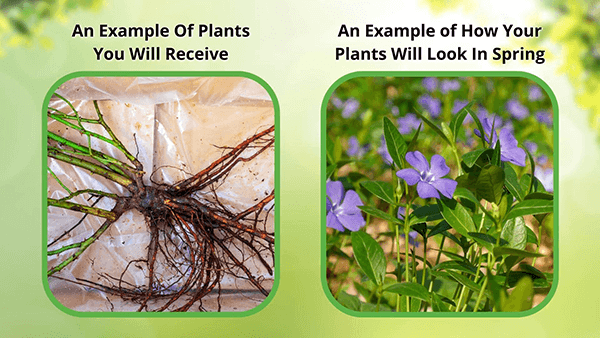
Plant bare-root stock as soon as it arrives, in well-drained soil with full to partial sun unless noted otherwise above. Water deeply once a week during the first growing season to establish a strong root system.
Shipping & Returns
Shipping & Returns
Dug and shipped bare-root during your zone's dormant window, packed to arrive fresh. Every order is backed by our first-season establishment guarantee — we'll replace it for you.