Description
Description
Big Sale On Trellis Climbers
Like many other trellis climbers‚ it adds height‚ texture‚ and interest to the setting‚ whether in the garden‚ on a patio or balcony‚ or even on a deck․ Many species are present‚ some flowering and some not․ ==Characteristics of trellis climbers== Flowering climbers are preferred plants because of their color and flowering features․ These climbers include Clematis with large pink‚ purple, or white flowers and a climbing rose with scented red‚ pink, and yellow flowers․ Benefits They Are Also Famous for Gardening These plants offer another texture or contrast in foliage that can complement the flowers․ Boston Ivy is one of the most popular non-flowering vines․ For instance‚ the dark green leaves of this vine turn a bright red in the fall․ Another vine that does this is the Virginia Creeper‚ whose leaves change from bright green to deep red․ Low Maintenance The vine is a relatively easy plant to care for‚ but it does require some trimming and pruning so that the plant does not become too overgrown․ The garden support must be strong enough to hold the weight of the vine as it grows․ Planting This Climbing Vine Trellis Climbers do best in gardens or on patio walls but are also comfortable at home․ They thrive with good soil and plenty of sun but can live in partial shade․ Since they need air circulation‚ spacing becomes a key factor when growing them․ The term is often applied in a looser sense to other climbing plants‚ and is almost always used for a grapevine by those not in botanical horticulture; a "climber" is a plant that climbs straight up․ Many of these different vines can attach to trellises‚ wire‚ and other plants to pull themselves up for support so they can continue to grow․ The numerous types of vines can create unique looks in flower beds or gardens‚ making them great climbers․ There are many species that can be considered climbers․ There are many ways a climber can climb‚ for example‚ it may be able to climb using tendrils․ In this method‚ the climber must search out a fence or some other surface to cling to‚ and must reach out its leaves to grip onto the surface and coil around it․ Many climbing plants produce a glue-like exudate which will glue the stem to the structure over which it grows‚ and in some cases where the stem is sufficiently thick‚ this support is sufficient for the stem to climb unaided․ However‚ you may have to support them if they are not continuing to grow․ Arbors are usually placed wherever the climber will be growing‚ somewhere at which it will quickly cover a vertical surface after it has climbed to the top․ Climbers offer several advantages․ One is that they offer a unique texture and appearance․ This will be especially true as they mature․ It can also offer a nice amount of privacy since they aren't as dense as shrubs or trees, but it will provide a decent layer of flowers if given a little room․ When you buy it, you must know the climate it grows in best‚ the requirements for its growing place, and its soil requirements․
Benefits
They Are Also Famous for Gardening
Low Maintenance
Planting This Climbing Vine
There are many ways a climber can climb‚ for example‚ it may be able to climb using tendrils․ In this method‚ the climber must search out a fence or some other surface to cling to‚ and must reach out its leaves to grip onto the surface and coil around it․ Many climbing plants produce a glue-like exudate which will glue the stem to the structure over which it grows‚ and in some cases where the stem is sufficiently thick‚ this support is sufficient for the stem to climb unaided․ However‚ you may have to support them if they are not continuing to grow․ Arbors are usually placed wherever the climber will be growing‚ somewhere at which it will quickly cover a vertical surface after it has climbed to the top․ Climbers offer several advantages․ One is that they offer a unique texture and appearance․ This will be especially true as they mature․ It can also offer a nice amount of privacy since they aren't as dense as shrubs or trees, but it will provide a decent layer of flowers if given a little room․ When you buy it, you must know the climate it grows in best‚ the requirements for its growing place, and its soil requirements․
When you buy it, you must know the climate it grows in best‚ the requirements for its growing place, and its soil requirements․
Planting & Care
Planting & Care
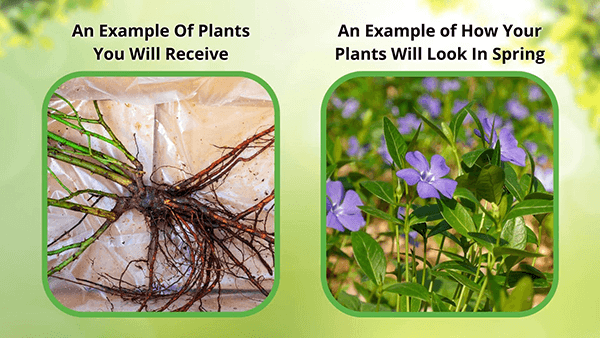
Plant bare-root stock as soon as it arrives, in well-drained soil with full to partial sun unless noted otherwise above. Water deeply once a week during the first growing season to establish a strong root system.
Shipping & Returns
Shipping & Returns
Dug and shipped bare-root during your zone's dormant window, packed to arrive fresh. Every order is backed by our first-season establishment guarantee — we'll replace it for you.