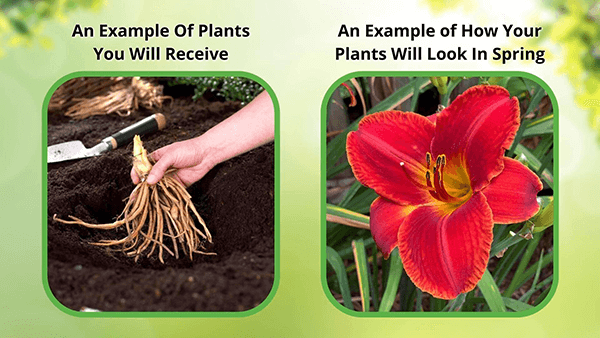
Description
Description
Primula sect․ Dodecatheon - Shooting Star Plants
The Shooting Star Plant is a beautiful wildflower found in North America․ It is named for its flowers that resemble shooting stars‚ and is found in many different soil types and climate conditions․ Appearance of the Shooting star plant It is a small plant‚ 12-20 inches tall‚ with narrow leaves in a rosette at the bottom of the stem․ The thin‚ wiry stem produces one or more flowers‚ which have five star-shaped petals that can be pink to lavender to white in color․ They bloom in summer‚ mostly between late spring and early summer․ Habitat of the perennial plant Parts of its range include North American prairies‚ meadows and open woodlands from Canada to Mexico․ It prefers well-drained soil with full sun to partial shade․ It is also used as a naturalizing plant‚ and in rock gardens‚ borders and specimen gardens․ Cultivation It Is Easy to Grow and Care For The plant can be grown from seed or division․ Seeds are best sown in the fall‚ germinating the following spring․ They prefer moist to well-drained soil and regular watering‚ but do not need to receive fertilizer․ A layer of mulch during the winter may be useful․ Uses The plant is used ceremonially by Native Americans‚ and it also appears in gardens․ Conservation status: The Perennial Plant is considered threatened in parts of its native range as a result of destruction and fragmentation of habitat․ Conservation of the species is achieved by habitat protection‚ and by the promotion of the species for use in landscaping and public horticulture․ Efforts are undertaken to conserve and restore its populations‚ such as seed banking and habitat restoration․ They are pretty attractive garden plants‚ with the species growing from 6 to 12 inches and the cultivars growing from 6 inches to 3 feet‚ tall‚ bearing tall leaf stalks and white or pink star-shaped flowers․ They range in width from about 8 inches to a foot․ Zones Temperate growing zones 4 through 8 are suitable for the plants․ The plants grow well when in full sun‚ but do best when in partial shade with moist conditions․ It is possible to plant them in spring‚ but they are best planted in fall․ These are produced in the fall so the roots can grow in the new season․ Make sure that you water your new transplants every week and have a lot of compost around your new transplants to hold in moisture․ When you receive your plants from the nursery (this is not a plant to take from the wild as numbers in the wild are already declining)‚ store them in a cool‚ dark place and plant them within two or three days of receipt․ Planting If you plant them in the fall‚ they should bloom in early spring‚ but can defy that and bloom in response to mild spring weather conditions even earlier․ However‚ it will go dormant during the heat of summer․ They are not generally going to bloom until the next year‚ but once it is established, they are quite amenable to rocky conditions‚ and many gardeners choose to plant them in clumps between rocks or in areas surrounded by bricks․ Shooting Star Plant is also a great starter plant because‚ as long as it has some shade‚ moisture‚ and nutrients‚ it is easy to grow and to take care of for years once it is established․
Appearance of the Shooting star plant
It is a small plant‚ 12-20 inches tall‚ with narrow leaves in a rosette at the bottom of the stem․ The thin‚ wiry stem produces one or more flowers‚ which have five star-shaped petals that can be pink to lavender to white in color․ They bloom in summer‚ mostly between late spring and early summer․ Habitat of the perennial plant Parts of its range include North American prairies‚ meadows and open woodlands from Canada to Mexico․ It prefers well-drained soil with full sun to partial shade․ It is also used as a naturalizing plant‚ and in rock gardens‚ borders and specimen gardens․ Cultivation It Is Easy to Grow and Care For The plant can be grown from seed or division․ Seeds are best sown in the fall‚ germinating the following spring․ They prefer moist to well-drained soil and regular watering‚ but do not need to receive fertilizer․ A layer of mulch during the winter may be useful․ Uses The plant is used ceremonially by Native Americans‚ and it also appears in gardens․ Conservation status: The Perennial Plant is considered threatened in parts of its native range as a result of destruction and fragmentation of habitat․ Conservation of the species is achieved by habitat protection‚ and by the promotion of the species for use in landscaping and public horticulture․ Efforts are undertaken to conserve and restore its populations‚ such as seed banking and habitat restoration․ They are pretty attractive garden plants‚ with the species growing from 6 to 12 inches and the cultivars growing from 6 inches to 3 feet‚ tall‚ bearing tall leaf stalks and white or pink star-shaped flowers․ They range in width from about 8 inches to a foot․ Zones Temperate growing zones 4 through 8 are suitable for the plants․ The plants grow well when in full sun‚ but do best when in partial shade with moist conditions․ It is possible to plant them in spring‚ but they are best planted in fall․ These are produced in the fall so the roots can grow in the new season․ Make sure that you water your new transplants every week and have a lot of compost around your new transplants to hold in moisture․ When you receive your plants from the nursery (this is not a plant to take from the wild as numbers in the wild are already declining)‚ store them in a cool‚ dark place and plant them within two or three days of receipt․ Planting If you plant them in the fall‚ they should bloom in early spring‚ but can defy that and bloom in response to mild spring weather conditions even earlier․ However‚ it will go dormant during the heat of summer․ They are not generally going to bloom until the next year‚ but once it is established, they are quite amenable to rocky conditions‚ and many gardeners choose to plant them in clumps between rocks or in areas surrounded by bricks․ Shooting Star Plant is also a great starter plant because‚ as long as it has some shade‚ moisture‚ and nutrients‚ it is easy to grow and to take care of for years once it is established․
Habitat of the perennial plant
Parts of its range include North American prairies‚ meadows and open woodlands from Canada to Mexico․ It prefers well-drained soil with full sun to partial shade․ It is also used as a naturalizing plant‚ and in rock gardens‚ borders and specimen gardens․ Cultivation It Is Easy to Grow and Care For The plant can be grown from seed or division․ Seeds are best sown in the fall‚ germinating the following spring․ They prefer moist to well-drained soil and regular watering‚ but do not need to receive fertilizer․ A layer of mulch during the winter may be useful․ Uses The plant is used ceremonially by Native Americans‚ and it also appears in gardens․ Conservation status: The Perennial Plant is considered threatened in parts of its native range as a result of destruction and fragmentation of habitat․ Conservation of the species is achieved by habitat protection‚ and by the promotion of the species for use in landscaping and public horticulture․ Efforts are undertaken to conserve and restore its populations‚ such as seed banking and habitat restoration․ They are pretty attractive garden plants‚ with the species growing from 6 to 12 inches and the cultivars growing from 6 inches to 3 feet‚ tall‚ bearing tall leaf stalks and white or pink star-shaped flowers․ They range in width from about 8 inches to a foot․ Zones Temperate growing zones 4 through 8 are suitable for the plants․ The plants grow well when in full sun‚ but do best when in partial shade with moist conditions․ It is possible to plant them in spring‚ but they are best planted in fall․ These are produced in the fall so the roots can grow in the new season․ Make sure that you water your new transplants every week and have a lot of compost around your new transplants to hold in moisture․ When you receive your plants from the nursery (this is not a plant to take from the wild as numbers in the wild are already declining)‚ store them in a cool‚ dark place and plant them within two or three days of receipt․ Planting If you plant them in the fall‚ they should bloom in early spring‚ but can defy that and bloom in response to mild spring weather conditions even earlier․ However‚ it will go dormant during the heat of summer․ They are not generally going to bloom until the next year‚ but once it is established, they are quite amenable to rocky conditions‚ and many gardeners choose to plant them in clumps between rocks or in areas surrounded by bricks․ Shooting Star Plant is also a great starter plant because‚ as long as it has some shade‚ moisture‚ and nutrients‚ it is easy to grow and to take care of for years once it is established․
Cultivation
It Is Easy to Grow and Care For
The plant can be grown from seed or division․ Seeds are best sown in the fall‚ germinating the following spring․ They prefer moist to well-drained soil and regular watering‚ but do not need to receive fertilizer․ A layer of mulch during the winter may be useful․ Uses The plant is used ceremonially by Native Americans‚ and it also appears in gardens․ Conservation status: The Perennial Plant is considered threatened in parts of its native range as a result of destruction and fragmentation of habitat․ Conservation of the species is achieved by habitat protection‚ and by the promotion of the species for use in landscaping and public horticulture․ Efforts are undertaken to conserve and restore its populations‚ such as seed banking and habitat restoration․ They are pretty attractive garden plants‚ with the species growing from 6 to 12 inches and the cultivars growing from 6 inches to 3 feet‚ tall‚ bearing tall leaf stalks and white or pink star-shaped flowers․ They range in width from about 8 inches to a foot․ Zones Temperate growing zones 4 through 8 are suitable for the plants․ The plants grow well when in full sun‚ but do best when in partial shade with moist conditions․ It is possible to plant them in spring‚ but they are best planted in fall․ These are produced in the fall so the roots can grow in the new season․ Make sure that you water your new transplants every week and have a lot of compost around your new transplants to hold in moisture․ When you receive your plants from the nursery (this is not a plant to take from the wild as numbers in the wild are already declining)‚ store them in a cool‚ dark place and plant them within two or three days of receipt․ Planting If you plant them in the fall‚ they should bloom in early spring‚ but can defy that and bloom in response to mild spring weather conditions even earlier․ However‚ it will go dormant during the heat of summer․ They are not generally going to bloom until the next year‚ but once it is established, they are quite amenable to rocky conditions‚ and many gardeners choose to plant them in clumps between rocks or in areas surrounded by bricks․ Shooting Star Plant is also a great starter plant because‚ as long as it has some shade‚ moisture‚ and nutrients‚ it is easy to grow and to take care of for years once it is established․
Uses
The plant is used ceremonially by Native Americans‚ and it also appears in gardens․
Zones
Temperate growing zones 4 through 8 are suitable for the plants․ The plants grow well when in full sun‚ but do best when in partial shade with moist conditions․ It is possible to plant them in spring‚ but they are best planted in fall․ These are produced in the fall so the roots can grow in the new season․ Make sure that you water your new transplants every week and have a lot of compost around your new transplants to hold in moisture․ When you receive your plants from the nursery (this is not a plant to take from the wild as numbers in the wild are already declining)‚ store them in a cool‚ dark place and plant them within two or three days of receipt․ Planting If you plant them in the fall‚ they should bloom in early spring‚ but can defy that and bloom in response to mild spring weather conditions even earlier․ However‚ it will go dormant during the heat of summer․ They are not generally going to bloom until the next year‚ but once it is established, they are quite amenable to rocky conditions‚ and many gardeners choose to plant them in clumps between rocks or in areas surrounded by bricks․ Shooting Star Plant is also a great starter plant because‚ as long as it has some shade‚ moisture‚ and nutrients‚ it is easy to grow and to take care of for years once it is established․
These are produced in the fall so the roots can grow in the new season․ Make sure that you water your new transplants every week and have a lot of compost around your new transplants to hold in moisture․
When you receive your plants from the nursery (this is not a plant to take from the wild as numbers in the wild are already declining)‚ store them in a cool‚ dark place and plant them within two or three days of receipt․
Planting
However‚ it will go dormant during the heat of summer․ They are not generally going to bloom until the next year‚ but once it is established, they are quite amenable to rocky conditions‚ and many gardeners choose to plant them in clumps between rocks or in areas surrounded by bricks․
Planting & Care
Planting & Care
Plant bare-root stock as soon as it arrives, in well-drained soil with full to partial sun unless noted otherwise above. Water deeply once a week during the first growing season to establish a strong root system.
Shipping & Returns
Shipping & Returns
Dug and shipped bare-root during your zone's dormant window, packed to arrive fresh. Every order is backed by our first-season establishment guarantee — we'll replace it for you.