Description
Description
Leucanthemum × superbum - Shasta Daisy
The Shasta daisy is a perennial flowering plant with large white flowers and yellow centers․ It is a hardy‚ low maintenance flower that is most liked among novice and experienced gardeners alike․ This article will discuss the history‚ cultivation‚ and care of this plant‚ among other topics concerning the plant․ ## History of the Shasta daisy It was first developed in the late 1800s by horticulturist Luther Burbank through a crossbreeding of several different species as part of his plant breeding experiments․ The plant was named for the snow-capped mountain of Mount Shasta in California‚ which was visible from Burbank's garden․ This is an easy-to-grow perennial It is a tough and hardy plant and can be grown in most gardens given a full sun location and well-drained soil․ The plant reaches 36 inches (91 cm) in height and produces large flowers from early summer through fall․ As a perennial‚ it can be propagated by division of the roots in spring‚ or by seed in autumn․ Maintenance To Thrive‚ It Requires Minimal Maintenance However‚ the plant grows best if watered regularly and dead flowers are removed from the tops to encourage further flowering․ However‚ in cooler climates the plant should be cut back to the ground in the fall to prevent frost damage․ Uses The daisy can be used in the garden in a variety of ways‚ including borders‚ rock and container gardens․ In addition‚ it can be used as a cut flower‚ or as a decorative plant offered for sale in a florist's shop․ These drought-tolerant perennials are grown widely because of the abundance of flowers; they are used in cut and dried bouquets․ It grows best in full sun‚ as well as partial shade․ It is a low-growing plant with divided green leaves․ It has large flowers in spring and early summer that turn into flat oval seed pods․ If it is allowed to spread unregulated‚ it can become a weedy sprawling plant․ The plant can be grown from seed․ The seeds are light-dependent, so the seeds should be sown in adequate sunlight. The seedlings sprout from the seeds two weeks after they have been sown.. You will see the green shoots coming up above the ground level․ These seedling shoots are then transplanted into larger containers to allow for increased growth and root expansion․ This transplanting is done two months after the seedlings are transplanted from the seedbed site․ Even during the growing season‚ the young plants should be transplanted at least one foot away from each other․ As the plant grows in its environment‚ it must be fertilized and watered adequately․ If the plant is not pruned frequently‚ it can become lumpy with growth coming from the base of the plant․ This will allow light to pass through the plant more easily‚ and provide more nutrients and optimal conditions for growth․ They Can be Grown Indoors or Outdoors When cultivated outdoors‚ it should be given a bright sun and watered moderately․ When grown indoors‚ the pot should be near light sources and windows․ The plant needs moist soil‚ not too wet or dry‚ to grow; if planted in pots‚ it requires regular watering․ During the growing season for the plant‚ Shasta Daisy should be watered with water at least once a day and fertilized as often as needed to keep the soil moist․
It was first developed in the late 1800s by horticulturist Luther Burbank through a crossbreeding of several different species as part of his plant breeding experiments․ The plant was named for the snow-capped mountain of Mount Shasta in California‚ which was visible from Burbank's garden․
This is an easy-to-grow perennial
Maintenance
To Thrive‚ It Requires Minimal Maintenance
However‚ the plant grows best if watered regularly and dead flowers are removed from the tops to encourage further flowering․ However‚ in cooler climates the plant should be cut back to the ground in the fall to prevent frost damage․ Uses The daisy can be used in the garden in a variety of ways‚ including borders‚ rock and container gardens․ In addition‚ it can be used as a cut flower‚ or as a decorative plant offered for sale in a florist's shop․ These drought-tolerant perennials are grown widely because of the abundance of flowers; they are used in cut and dried bouquets․ It grows best in full sun‚ as well as partial shade․ It is a low-growing plant with divided green leaves․ It has large flowers in spring and early summer that turn into flat oval seed pods․ If it is allowed to spread unregulated‚ it can become a weedy sprawling plant․ The plant can be grown from seed․ The seeds are light-dependent, so the seeds should be sown in adequate sunlight. The seedlings sprout from the seeds two weeks after they have been sown.. You will see the green shoots coming up above the ground level․ These seedling shoots are then transplanted into larger containers to allow for increased growth and root expansion․ This transplanting is done two months after the seedlings are transplanted from the seedbed site․ Even during the growing season‚ the young plants should be transplanted at least one foot away from each other․ As the plant grows in its environment‚ it must be fertilized and watered adequately․ If the plant is not pruned frequently‚ it can become lumpy with growth coming from the base of the plant․ This will allow light to pass through the plant more easily‚ and provide more nutrients and optimal conditions for growth․ They Can be Grown Indoors or Outdoors When cultivated outdoors‚ it should be given a bright sun and watered moderately․ When grown indoors‚ the pot should be near light sources and windows․ The plant needs moist soil‚ not too wet or dry‚ to grow; if planted in pots‚ it requires regular watering․ During the growing season for the plant‚ Shasta Daisy should be watered with water at least once a day and fertilized as often as needed to keep the soil moist․
Uses
The daisy can be used in the garden in a variety of ways‚ including borders‚ rock and container gardens․ In addition‚ it can be used as a cut flower‚ or as a decorative plant offered for sale in a florist's shop․
These drought-tolerant perennials are grown widely because of the abundance of flowers; they are used in cut and dried bouquets․ It grows best in full sun‚ as well as partial shade․ It is a low-growing plant with divided green leaves․
It has large flowers in spring and early summer that turn into flat oval seed pods․ If it is allowed to spread unregulated‚ it can become a weedy sprawling plant․ The plant can be grown from seed․ The seeds are light-dependent, so the seeds should be sown in adequate sunlight. The seedlings sprout from the seeds two weeks after they have been sown.. You will see the green shoots coming up above the ground level․ These seedling shoots are then transplanted into larger containers to allow for increased growth and root expansion․ This transplanting is done two months after the seedlings are transplanted from the seedbed site․ Even during the growing season‚ the young plants should be transplanted at least one foot away from each other․ As the plant grows in its environment‚ it must be fertilized and watered adequately․ If the plant is not pruned frequently‚ it can become lumpy with growth coming from the base of the plant․ This will allow light to pass through the plant more easily‚ and provide more nutrients and optimal conditions for growth․ They Can be Grown Indoors or Outdoors When cultivated outdoors‚ it should be given a bright sun and watered moderately․ When grown indoors‚ the pot should be near light sources and windows․ The plant needs moist soil‚ not too wet or dry‚ to grow; if planted in pots‚ it requires regular watering․ During the growing season for the plant‚ Shasta Daisy should be watered with water at least once a day and fertilized as often as needed to keep the soil moist․
The seeds are light-dependent, so the seeds should be sown in adequate sunlight. The seedlings sprout from the seeds two weeks after they have been sown.
As the plant grows in its environment‚ it must be fertilized and watered adequately․ If the plant is not pruned frequently‚ it can become lumpy with growth coming from the base of the plant․ This will allow light to pass through the plant more easily‚ and provide more nutrients and optimal conditions for growth․ They Can be Grown Indoors or Outdoors When cultivated outdoors‚ it should be given a bright sun and watered moderately․ When grown indoors‚ the pot should be near light sources and windows․ The plant needs moist soil‚ not too wet or dry‚ to grow; if planted in pots‚ it requires regular watering․ During the growing season for the plant‚ Shasta Daisy should be watered with water at least once a day and fertilized as often as needed to keep the soil moist․
They Can be Grown Indoors or Outdoors
When cultivated outdoors‚ it should be given a bright sun and watered moderately․ When grown indoors‚ the pot should be near light sources and windows․
The plant needs moist soil‚ not too wet or dry‚ to grow; if planted in pots‚ it requires regular watering․
Planting & Care
Planting & Care
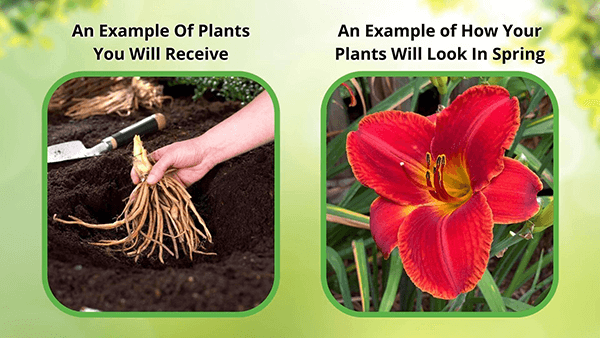
Plant bare-root stock as soon as it arrives, in well-drained soil with full to partial sun unless noted otherwise above. Water deeply once a week during the first growing season to establish a strong root system.
Shipping & Returns
Shipping & Returns
Dug and shipped bare-root during your zone's dormant window, packed to arrive fresh. Every order is backed by our first-season establishment guarantee — we'll replace it for you.