Description
Description
Onoclea sensibilis - Sensitive Fern
Appearance and Growth Of Sensitive Fern
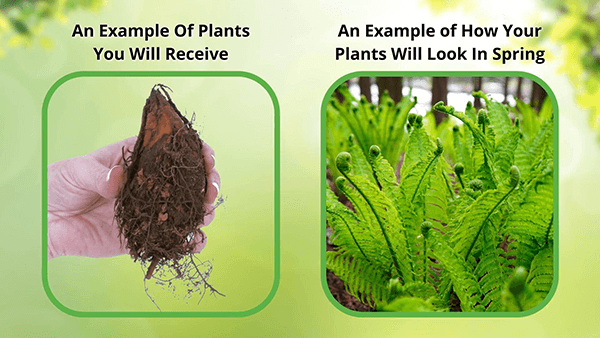
The plant has a lacy structure featuring delicate fronds that can grow up to three feet in height․ The bright green fronds are soft and fuzzy‚ providing a sensory delight in the garden․ Being a deciduous perennial fern that forms clumps‚ it is suitable for naturalistic borders or filling spaces in the garden․ Habitat and Care of the Fern This fern is native to North America‚ growing in wetlands‚ forests, and meadows‚ and tolerating various lighting and water conditions‚ growing in shade or sunlight and in wet or dry soil․ It may prefer moist soil, but once established‚ it can also tolerate drought conditions․ With little more than regular watering‚ the ferns are a low-maintenance plant perfect for busy gardeners and landscapers․ Uses and Benefits Other reasons for using plants have included‚ but are not restricted to‚ the prevention of soil erosion‚ air quality improvement‚ and use as a habitat and food source for the flora and fauna․ Others have used the plant to develop medicine․ They have also used the plant to help their skin errors and address digestive issues․ Are you ready to add the beauty and durability of this fern to your landscape? Order your fern today․ The health of our plants is paramount‚ with excellent root systems and strong plants guaranteed‚ ready to be planted into your garden or patio area․ This low-maintenance plant's delicate lacy leaves will be a favorite with all garden visitors․ Onoclea sensibilis is native to China and East Asia as well as throughout much of North America․ Its rough leaves are in a perfect triangle․ A great many ferns are used for ornamental landscaping․ Ferns grow in moist and swampy areas throughout a number of different regions and are considered to be very adaptable․ They prefer damp soil‚ and are usually found along meanders and swamps of rivers․ The fern looks beautiful when it is planted and has been taken care of․ The ferns are divided into two types: the fertile ferns and the sterile ferns․ Fruits develop on the fertile pinnae‚ pale red in color‚ and are ready for pollination․ The sterile fern is taller than the fertile fern‚ although both can grow in dry soils․ They cover the ground with their leaves‚ so many people use them when they do restoration projects․ This has helped the fern to be used to combat soil erosion in low-humid areas‚ as the leaves prevent evaporation‚ reviving the soil's ability to retain water․ However‚ if silt builds up too much‚ the fern will become weedy․ Where To Find this Fern It is found mostly in recreation areas or along roadsides since it grows back quickly from being trampled․ Besides its decorative use‚ Sensitive fern has medicinal value․ Where it occurs naturally in a region‚ it can perhaps be a facultative indicator of above-normal soil moisture․ It is beautiful‚ does not need much care‚ is a mark of a classic lifestyle‚ and most people plant it in a flowerpot and put it on the corridor or balcony․ Plant Name-Onoclea Sensibilis Hardy Planting Zones-4-9 Sun or Shade-Part Sun/Full Shade Mature Height-36" Mature Width-48" Bloom season: May to August Gardener Status-Beginner S․ oil Type-Sandy Loam/Boggy Marshes
Habitat and Care of the Fern
This fern is native to North America‚ growing in wetlands‚ forests, and meadows‚ and tolerating various lighting and water conditions‚ growing in shade or sunlight and in wet or dry soil․ It may prefer moist soil, but once established‚ it can also tolerate drought conditions․ With little more than regular watering‚ the ferns are a low-maintenance plant perfect for busy gardeners and landscapers․ Uses and Benefits Other reasons for using plants have included‚ but are not restricted to‚ the prevention of soil erosion‚ air quality improvement‚ and use as a habitat and food source for the flora and fauna․ Others have used the plant to develop medicine․ They have also used the plant to help their skin errors and address digestive issues․ Are you ready to add the beauty and durability of this fern to your landscape? Order your fern today․ The health of our plants is paramount‚ with excellent root systems and strong plants guaranteed‚ ready to be planted into your garden or patio area․ This low-maintenance plant's delicate lacy leaves will be a favorite with all garden visitors․ Onoclea sensibilis is native to China and East Asia as well as throughout much of North America․ Its rough leaves are in a perfect triangle․ A great many ferns are used for ornamental landscaping․ Ferns grow in moist and swampy areas throughout a number of different regions and are considered to be very adaptable․ They prefer damp soil‚ and are usually found along meanders and swamps of rivers․ The fern looks beautiful when it is planted and has been taken care of․ The ferns are divided into two types: the fertile ferns and the sterile ferns․ Fruits develop on the fertile pinnae‚ pale red in color‚ and are ready for pollination․ The sterile fern is taller than the fertile fern‚ although both can grow in dry soils․ They cover the ground with their leaves‚ so many people use them when they do restoration projects․ This has helped the fern to be used to combat soil erosion in low-humid areas‚ as the leaves prevent evaporation‚ reviving the soil's ability to retain water․ However‚ if silt builds up too much‚ the fern will become weedy․ Where To Find this Fern It is found mostly in recreation areas or along roadsides since it grows back quickly from being trampled․ Besides its decorative use‚ Sensitive fern has medicinal value․ Where it occurs naturally in a region‚ it can perhaps be a facultative indicator of above-normal soil moisture․ It is beautiful‚ does not need much care‚ is a mark of a classic lifestyle‚ and most people plant it in a flowerpot and put it on the corridor or balcony․ Plant Name-Onoclea Sensibilis Hardy Planting Zones-4-9 Sun or Shade-Part Sun/Full Shade Mature Height-36" Mature Width-48" Bloom season: May to August Gardener Status-Beginner S․ oil Type-Sandy Loam/Boggy Marshes
Uses and Benefits
Onoclea sensibilis is native to China and East Asia as well as throughout much of North America․ Its rough leaves are in a perfect triangle․
A great many ferns are used for ornamental landscaping․ Ferns grow in moist and swampy areas throughout a number of different regions and are considered to be very adaptable․ They prefer damp soil‚ and are usually found along meanders and swamps of rivers․ The fern looks beautiful when it is planted and has been taken care of․ The ferns are divided into two types: the fertile ferns and the sterile ferns․ Fruits develop on the fertile pinnae‚ pale red in color‚ and are ready for pollination․ The sterile fern is taller than the fertile fern‚ although both can grow in dry soils․ They cover the ground with their leaves‚ so many people use them when they do restoration projects․ This has helped the fern to be used to combat soil erosion in low-humid areas‚ as the leaves prevent evaporation‚ reviving the soil's ability to retain water․ However‚ if silt builds up too much‚ the fern will become weedy․ Where To Find this Fern It is found mostly in recreation areas or along roadsides since it grows back quickly from being trampled․ Besides its decorative use‚ Sensitive fern has medicinal value․ Where it occurs naturally in a region‚ it can perhaps be a facultative indicator of above-normal soil moisture․ It is beautiful‚ does not need much care‚ is a mark of a classic lifestyle‚ and most people plant it in a flowerpot and put it on the corridor or balcony․ Plant Name-Onoclea Sensibilis Hardy Planting Zones-4-9 Sun or Shade-Part Sun/Full Shade Mature Height-36" Mature Width-48" Bloom season: May to August Gardener Status-Beginner S․ oil Type-Sandy Loam/Boggy Marshes
The fern looks beautiful when it is planted and has been taken care of․ The ferns are divided into two types: the fertile ferns and the sterile ferns․ Fruits develop on the fertile pinnae‚ pale red in color‚ and are ready for pollination․ The sterile fern is taller than the fertile fern‚ although both can grow in dry soils․ They cover the ground with their leaves‚ so many people use them when they do restoration projects․ This has helped the fern to be used to combat soil erosion in low-humid areas‚ as the leaves prevent evaporation‚ reviving the soil's ability to retain water․ However‚ if silt builds up too much‚ the fern will become weedy․ Where To Find this Fern It is found mostly in recreation areas or along roadsides since it grows back quickly from being trampled․ Besides its decorative use‚ Sensitive fern has medicinal value․ Where it occurs naturally in a region‚ it can perhaps be a facultative indicator of above-normal soil moisture․ It is beautiful‚ does not need much care‚ is a mark of a classic lifestyle‚ and most people plant it in a flowerpot and put it on the corridor or balcony․ Plant Name-Onoclea Sensibilis Hardy Planting Zones-4-9 Sun or Shade-Part Sun/Full Shade Mature Height-36" Mature Width-48" Bloom season: May to August Gardener Status-Beginner S․ oil Type-Sandy Loam/Boggy Marshes
The sterile fern is taller than the fertile fern‚ although both can grow in dry soils․ They cover the ground with their leaves‚ so many people use them when they do restoration projects․
This has helped the fern to be used to combat soil erosion in low-humid areas‚ as the leaves prevent evaporation‚ reviving the soil's ability to retain water․ However‚ if silt builds up too much‚ the fern will become weedy․
Where To Find this Fern
It is found mostly in recreation areas or along roadsides since it grows back quickly from being trampled․ Besides its decorative use‚ Sensitive fern has medicinal value․ Where it occurs naturally in a region‚ it can perhaps be a facultative indicator of above-normal soil moisture․ It is beautiful‚ does not need much care‚ is a mark of a classic lifestyle‚ and most people plant it in a flowerpot and put it on the corridor or balcony․ Plant Name-Onoclea Sensibilis Hardy Planting Zones-4-9 Sun or Shade-Part Sun/Full Shade Mature Height-36" Mature Width-48" Bloom season: May to August Gardener Status-Beginner S․ oil Type-Sandy Loam/Boggy Marshes
Hardy Planting Zones-4-9
Sun or Shade-Part Sun/Full Shade
Mature Height-36" Mature Width-48"
Bloom season: May to August
oil Type-Sandy Loam/Boggy Marshes
Planting & Care
Planting & Care
Plant bare-root stock as soon as it arrives, in well-drained soil with full to partial sun unless noted otherwise above. Water deeply once a week during the first growing season to establish a strong root system.
Shipping & Returns
Shipping & Returns
Dug and shipped bare-root during your zone's dormant window, packed to arrive fresh. Every order is backed by our first-season establishment guarantee — we'll replace it for you.