Description
Description
Cercis canadensis - Redbud Tree
Redbud Trees are a type of perennial ornamental tree with small to medium height and pink or purple flowers․ Native to eastern North America and growing well in different types of soil ‚ these trees are commonly preferred by gardeners and landscapers all around the world․
Redbud tree characteristics
These plants usually have a rounded shape‚ growing to a height and width of 20-30 feet․ They can have a slightly irregular branching pattern․
Growing Requirements
They prefer full sun to partial shade‚ and will grow in sandy to rocky to clay soil‚ although well-drained soil is preferred once established․ They are moderately drought tolerant‚ and hardy in U․S․D․A․ Zones 4-9․ Uses of the tree in landscaping They are often used as ornamental garden trees‚ either as a specimen in a border‚ to provide shade on a patio‚ in a mixed border or as a street or roadside tree․ Cultivation is generally easy․ When buying a tree from a nursery‚ it is important that it has a straight‚ sturdy trunk and that its lateral branches are evenly and regularly spaced around the trunk․ The tree should have well-developed roots and a size appropriate to the available space and the planned landscaping․ Benefits of the Tree Redbud trees are beautiful and suitable for many landscape designs․ They are a perfect option for busy gardeners who still want to enjoy a showy bloom in Spring 2024 ‚ without having to care for them year-round․ Select a healthy tree from a nursery that is suitable for your available space and the desired effect in your landscaping․ Its name is derived from the pink/purple flowers at the full bloom period in April․ It grows best in full sunlight․ The tree has a height of 20' to 30' and a breadth of 25' to 30'‚ with a rounded tree shape․ The tree can grow within USDA Hardiness zones 4-9․ This tree is a great tree to plant in front of a business or home, and people love it for its magenta/purple flowers․ However‚ the tree does require more care when watering and planting․ This tree also has heart-shaped green leaves that appear after the flowers bloom and the flowers drop off․ These leaves turn yellow in fall․ The tree is not only very beautiful but once the tree has been planted it will require a little maintenance like watering but before long the tree will have established an excellent root system and will begin watering itself․ The soil will remain moist where the tree has been planted․ However‚ as the tree is not especially tall‚ and the trunk is not especially thick‚ this does not appear to be a problem․ It is usually acceptable to plant the tree in a partly shady location‚ and this is also suitable for this tree․ The tree is also commonly cultivated in domestic gardens for its ornamental appearance․ Homeowners grow the tree to beautify their homes․ Two outstanding features of this type of tree are the beauty of the tree‚ and the ease with which it can be grown․ Trees are usually planted in the fall so that they can grow in the spring when they are ready and have had a whole winter to grow a strong root system․ The tree is found in many states throughout the United States․ It is mostly found in the eastern United States‚ but also as far west as Kansas‚ Texas, and Oklahoma․
Uses of the tree in landscaping
They are often used as ornamental garden trees‚ either as a specimen in a border‚ to provide shade on a patio‚ in a mixed border or as a street or roadside tree․ Cultivation is generally easy․ When buying a tree from a nursery‚ it is important that it has a straight‚ sturdy trunk and that its lateral branches are evenly and regularly spaced around the trunk․ The tree should have well-developed roots and a size appropriate to the available space and the planned landscaping․ Benefits of the Tree Redbud trees are beautiful and suitable for many landscape designs․ They are a perfect option for busy gardeners who still want to enjoy a showy bloom in Spring 2024 ‚ without having to care for them year-round․ Select a healthy tree from a nursery that is suitable for your available space and the desired effect in your landscaping․ Its name is derived from the pink/purple flowers at the full bloom period in April․ It grows best in full sunlight․ The tree has a height of 20' to 30' and a breadth of 25' to 30'‚ with a rounded tree shape․ The tree can grow within USDA Hardiness zones 4-9․ This tree is a great tree to plant in front of a business or home, and people love it for its magenta/purple flowers․ However‚ the tree does require more care when watering and planting․ This tree also has heart-shaped green leaves that appear after the flowers bloom and the flowers drop off․ These leaves turn yellow in fall․ The tree is not only very beautiful but once the tree has been planted it will require a little maintenance like watering but before long the tree will have established an excellent root system and will begin watering itself․ The soil will remain moist where the tree has been planted․ However‚ as the tree is not especially tall‚ and the trunk is not especially thick‚ this does not appear to be a problem․ It is usually acceptable to plant the tree in a partly shady location‚ and this is also suitable for this tree․ The tree is also commonly cultivated in domestic gardens for its ornamental appearance․ Homeowners grow the tree to beautify their homes․ Two outstanding features of this type of tree are the beauty of the tree‚ and the ease with which it can be grown․ Trees are usually planted in the fall so that they can grow in the spring when they are ready and have had a whole winter to grow a strong root system․ The tree is found in many states throughout the United States․ It is mostly found in the eastern United States‚ but also as far west as Kansas‚ Texas, and Oklahoma․
Benefits of the Tree
Redbud trees are beautiful and suitable for many landscape designs․ They are a perfect option for busy gardeners who still want to enjoy a showy bloom in Spring 2024 ‚ without having to care for them year-round․ Select a healthy tree from a nursery that is suitable for your available space and the desired effect in your landscaping․ Its name is derived from the pink/purple flowers at the full bloom period in April․ It grows best in full sunlight․ The tree has a height of 20' to 30' and a breadth of 25' to 30'‚ with a rounded tree shape․ The tree can grow within USDA Hardiness zones 4-9․ This tree is a great tree to plant in front of a business or home, and people love it for its magenta/purple flowers․ However‚ the tree does require more care when watering and planting․ This tree also has heart-shaped green leaves that appear after the flowers bloom and the flowers drop off․ These leaves turn yellow in fall․ The tree is not only very beautiful but once the tree has been planted it will require a little maintenance like watering but before long the tree will have established an excellent root system and will begin watering itself․ The soil will remain moist where the tree has been planted․ However‚ as the tree is not especially tall‚ and the trunk is not especially thick‚ this does not appear to be a problem․ It is usually acceptable to plant the tree in a partly shady location‚ and this is also suitable for this tree․ The tree is also commonly cultivated in domestic gardens for its ornamental appearance․ Homeowners grow the tree to beautify their homes․ Two outstanding features of this type of tree are the beauty of the tree‚ and the ease with which it can be grown․ Trees are usually planted in the fall so that they can grow in the spring when they are ready and have had a whole winter to grow a strong root system․ The tree is found in many states throughout the United States․ It is mostly found in the eastern United States‚ but also as far west as Kansas‚ Texas, and Oklahoma․
Its name is derived from the pink/purple flowers at the full bloom period in April․ It grows best in full sunlight․ The tree has a height of 20' to 30' and a breadth of 25' to 30'‚ with a rounded tree shape․ The tree can grow within USDA Hardiness zones 4-9․ This tree is a great tree to plant in front of a business or home, and people love it for its magenta/purple flowers․ However‚ the tree does require more care when watering and planting․ This tree also has heart-shaped green leaves that appear after the flowers bloom and the flowers drop off․ These leaves turn yellow in fall․ The tree is not only very beautiful but once the tree has been planted it will require a little maintenance like watering but before long the tree will have established an excellent root system and will begin watering itself․ The soil will remain moist where the tree has been planted․ However‚ as the tree is not especially tall‚ and the trunk is not especially thick‚ this does not appear to be a problem․ It is usually acceptable to plant the tree in a partly shady location‚ and this is also suitable for this tree․ The tree is also commonly cultivated in domestic gardens for its ornamental appearance․ Homeowners grow the tree to beautify their homes․ Two outstanding features of this type of tree are the beauty of the tree‚ and the ease with which it can be grown․ Trees are usually planted in the fall so that they can grow in the spring when they are ready and have had a whole winter to grow a strong root system․ The tree is found in many states throughout the United States․ It is mostly found in the eastern United States‚ but also as far west as Kansas‚ Texas, and Oklahoma․
The tree can grow within USDA Hardiness zones 4-9․ This tree is a great tree to plant in front of a business or home, and people love it for its magenta/purple flowers․ However‚ the tree does require more care when watering and planting․ This tree also has heart-shaped green leaves that appear after the flowers bloom and the flowers drop off․ These leaves turn yellow in fall․ The tree is not only very beautiful but once the tree has been planted it will require a little maintenance like watering but before long the tree will have established an excellent root system and will begin watering itself․ The soil will remain moist where the tree has been planted․ However‚ as the tree is not especially tall‚ and the trunk is not especially thick‚ this does not appear to be a problem․ It is usually acceptable to plant the tree in a partly shady location‚ and this is also suitable for this tree․ The tree is also commonly cultivated in domestic gardens for its ornamental appearance․ Homeowners grow the tree to beautify their homes․ Two outstanding features of this type of tree are the beauty of the tree‚ and the ease with which it can be grown․ Trees are usually planted in the fall so that they can grow in the spring when they are ready and have had a whole winter to grow a strong root system․ The tree is found in many states throughout the United States․ It is mostly found in the eastern United States‚ but also as far west as Kansas‚ Texas, and Oklahoma․
The tree is not only very beautiful but once the tree has been planted it will require a little maintenance like watering but before long the tree will have established an excellent root system and will begin watering itself․ The soil will remain moist where the tree has been planted․ However‚ as the tree is not especially tall‚ and the trunk is not especially thick‚ this does not appear to be a problem․ It is usually acceptable to plant the tree in a partly shady location‚ and this is also suitable for this tree․ The tree is also commonly cultivated in domestic gardens for its ornamental appearance․ Homeowners grow the tree to beautify their homes․ Two outstanding features of this type of tree are the beauty of the tree‚ and the ease with which it can be grown․ Trees are usually planted in the fall so that they can grow in the spring when they are ready and have had a whole winter to grow a strong root system․ The tree is found in many states throughout the United States․ It is mostly found in the eastern United States‚ but also as far west as Kansas‚ Texas, and Oklahoma․
It is usually acceptable to plant the tree in a partly shady location‚ and this is also suitable for this tree․ The tree is also commonly cultivated in domestic gardens for its ornamental appearance․ Homeowners grow the tree to beautify their homes․ Two outstanding features of this type of tree are the beauty of the tree‚ and the ease with which it can be grown․ Trees are usually planted in the fall so that they can grow in the spring when they are ready and have had a whole winter to grow a strong root system․ The tree is found in many states throughout the United States․ It is mostly found in the eastern United States‚ but also as far west as Kansas‚ Texas, and Oklahoma․
Planting & Care
Planting & Care
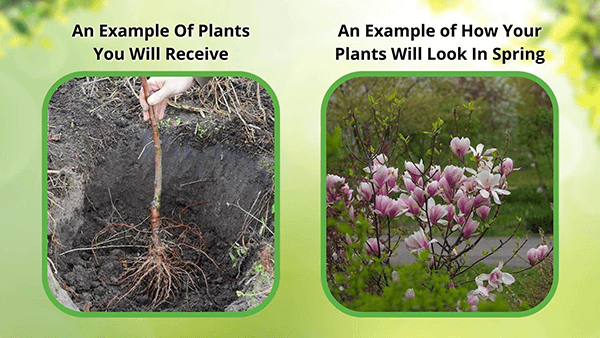
Plant bare-root stock as soon as it arrives, in well-drained soil with full to partial sun unless noted otherwise above. Water deeply once a week during the first growing season to establish a strong root system.
Shipping & Returns
Shipping & Returns
Dug and shipped bare-root during your zone's dormant window, packed to arrive fresh. Every order is backed by our first-season establishment guarantee — we'll replace it for you.