Description
Description
Trillium erectum - Red Trillium
Red Trillium is a beautiful and distinctive plant native to eastern North America․ Here are some key facts and information about this fascinating plant․
Red Trillium's Appearance and Characteristics
The plant is a perennial herb that grows 30 to 45 centimeters (12 to 18 in) high with a single stem topped by a whorl of three leaves and a single flower in the center․ The flower is usually dark red‚ although pink or white․ The petals of the flower are curved and pointed․ The bent pointed petals give the flower a distinct shape․ The flowers bloom early in the spring from April to May․ Habitat and Distribution They occur most commonly in woods‚ especially on moist‚ rich soils․ They are native to much of eastern North America‚ and are found from Nova Scotia to Georgia‚ in deciduous forest‚ coniferous forest‚ and mixed forests․ Uses Native American tribes have been using them for centuries for medicinal and other purposes; the roots and leaves were used to help alleviate digestive issues‚ infections‚ and respiratory infections․ The plant was also used as part of spiritual rites of rebirth and renewal․ Gardening and Cultivation These plants can also be grown in a garden‚ where they will grow in a constantly moist‚ well-drained location with preferably a high organic content and dappled shade․ Although they can be successfully propagated by seed‚ it is a slow and difficult process․ Collection in the wild should be monitored to avoid over-collection․ They are interesting‚ beautiful plants with a long tradition of use in many cultures․ They are not currently endangered‚ but are considered threatened‚ for example due to destruction of habitat․ The more we understand about this plant and its ecosystem‚ the better we will be able to work to preserve and protect it for future generations․ It is an herbaceous flowering plant and is known as the Beth Root‚ Stinking Benjamin‚ Purple Trillium, and Wake-Robin․ It is a flowering plant of the Lily family․ The plant has a single‚ reddish or purple flower on a stem that is 8-16 inches tall․ The plant's leaves are up to seven inches long․ One of the plant's characteristics is the foul smell of the flower‚ which is sometimes compared to a wet dog․ It is easy to grow‚ preferring partial shade and moist‚ well-drained soil․ In areas where it is regularly watered‚ it can be grown in full sun․ It is recommended that in spring a mulch of organic matter be applied and watered through the growing season․ They prefer slightly acid soils․ Due to their tendency to spread‚ gardeners may be forced to transplant the plants‚ which is best done when it is still flowering․ Although the flowers are very attractive‚ do not be tempted to cut some for your home․ The plant suffers considerable stress from having its flower cut‚ which can often lead to the plant dying after it has bloomed․ These Plants Can Be Grown from Seeds Cuttings result in flowers taking less time to appear than if raised from seed․ Cuttings also do not require fertilizer if the plants are based in compost in spring․ They are easy to grow and behave as wildflowers in their native Asia and North America․ Don't attempt to harvest them from the wild‚ as they fail to transplant and may be endangered in some locations; they are best acquired from a nursery․ The color of the flower may vary from brick red to deep burgundy․ Red Trillium is a spring wildflower with three petals and sepals‚ attractive to butterflies due to its bright color and soft aroma․ The plant is a perennial‚ 8 to 16 inches tall․
Habitat and Distribution
They occur most commonly in woods‚ especially on moist‚ rich soils․ They are native to much of eastern North America‚ and are found from Nova Scotia to Georgia‚ in deciduous forest‚ coniferous forest‚ and mixed forests․
Uses
Gardening and Cultivation
It is an herbaceous flowering plant and is known as the Beth Root‚ Stinking Benjamin‚ Purple Trillium, and Wake-Robin․ It is a flowering plant of the Lily family․ The plant has a single‚ reddish or purple flower on a stem that is 8-16 inches tall․ The plant's leaves are up to seven inches long․
One of the plant's characteristics is the foul smell of the flower‚ which is sometimes compared to a wet dog․ It is easy to grow‚ preferring partial shade and moist‚ well-drained soil․ In areas where it is regularly watered‚ it can be grown in full sun․
They prefer slightly acid soils․ Due to their tendency to spread‚ gardeners may be forced to transplant the plants‚ which is best done when it is still flowering․ Although the flowers are very attractive‚ do not be tempted to cut some for your home․
These Plants Can Be Grown from Seeds
Don't attempt to harvest them from the wild‚ as they fail to transplant and may be endangered in some locations; they are best acquired from a nursery․ The color of the flower may vary from brick red to deep burgundy․
Red Trillium is a spring wildflower with three petals and sepals‚ attractive to butterflies due to its bright color and soft aroma․ The plant is a perennial‚ 8 to 16 inches tall․
Planting & Care
Planting & Care
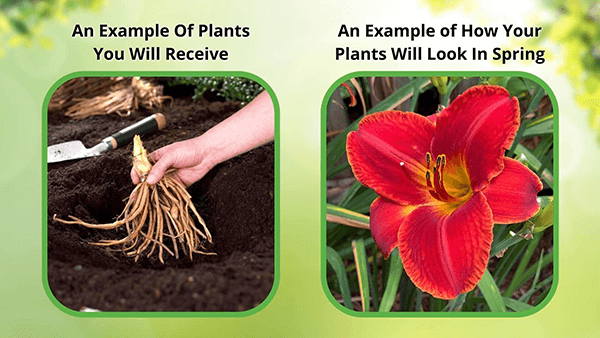
Plant bare-root stock as soon as it arrives, in well-drained soil with full to partial sun unless noted otherwise above. Water deeply once a week during the first growing season to establish a strong root system.
Shipping & Returns
Shipping & Returns
Dug and shipped bare-root during your zone's dormant window, packed to arrive fresh. Every order is backed by our first-season establishment guarantee — we'll replace it for you.