Description
Description
Cornus sericea - Red Osier Dogwood
Red Osier Dogwood Description
As a shrub, this plant can reach a height and width of between six and eight feet, although there are plant specimens that have been recorded as much as 10 feet tall․ The bark of the stems is bright red․ This contrasts with the green leaves․ The leaves themselves are also a vivid bright red in the Fall‚ adding visual appeal․ A Notable Characteristic of the Shrub Is Its Winter Interest < p> In addition to the bright red stems forming a sharp contrast to the white snow‚ they also provide some color in an otherwise gray winter landscape․ In the early spring of 2024‚ the shrub's white flowers grow in clusters‚ and in the summer‚ small white berries grow which are eaten by birds․
A Notable Characteristic of the Shrub Is Its Winter Interest
Maintenance
The shrub is hardy and easy to cultivate․ It prefers damp soil‚ and will grow in full or partial shade․ It will flourish in all soil types and pH‚ although not necessarily in dry and/or alkaline soils․ It does need to be pruned before new growth in late winter/early Spring 2024․ It is possible to propagate the shrub through cuttings or layering․ Uses The shrub is frequently used in a variety of landscaping settings‚ including as a border or hedge plant‚ a focal or specimen plant‚ and for erosion control because it can tolerate wet soil․ If you want a pretty and hardy shrub that will be attractive to see in your landscape every season of the year‚ the Dogwood is a fine choice․ Its red stems‚ white flowers and red Fall (End of October) leaves are fascinating․ The Dogwood is easy to grow and fits in many different situations in a landscape․ When people think of dogwood‚ they often think of the shrub with its white petaled flower․ However‚ there are many different members of the Dogwood family available to the gardener․ The range of options for flowers or shrubs is huge․ An ornamental flowering dogwood shrub has a broad natural range․ It is also known as the "red willow"‚ "red root"‚ and "creek dogwood"․ It grows in a vegetable hardiness zone of two to eight․ It prefers a colder‚ wetter climate․ Though not an evergreen shrub‚ the plant does have intensely colored red bark throughout the year․ Frequent Pruning Will Produce Plenty of New Bright Red Growth In addition to vivid leaves‚ homeowners enjoy the plant's rapid rate of growth after planting; its dimensions at full size are five to nine feet in height and width․ Some mature shrubs reach a height and circumference of 10 feet․ The flowers are a spray of white or red․ The bloom is drab compared with the flowering dogwood‚ and the shrub's visual characteristics to be noticed are the plant's branches‚ stems and trunk․ In non-pruned or minimally pruned species these are the gray areas‚ and any health pruning of the shrubs should be done once per year․ This shrub tolerates moisture‚ and is happy in either an acid or an alkaline soil․ However‚ it does not do well in dry soils․ It is frequently found in wetland areas or around them․ If you have wet or boggy areas on your property‚ the dogwood will grow well there․ Its biggest landscaping asset is its ornamental value․ As Red Osier Dogwood can be used to prevent soil erosion‚ however‚ it is sometimes used for landscaping purposes․ When Red Osier Dogwood is planted three to four feet apart‚ it can build roots densely enough to save threatened banks․ So this shrub is not just a pretty addition to your backyard but also a functional one․
Uses
The shrub is frequently used in a variety of landscaping settings‚ including as a border or hedge plant‚ a focal or specimen plant‚ and for erosion control because it can tolerate wet soil․ If you want a pretty and hardy shrub that will be attractive to see in your landscape every season of the year‚ the Dogwood is a fine choice․ Its red stems‚ white flowers and red Fall (End of October) leaves are fascinating․ The Dogwood is easy to grow and fits in many different situations in a landscape․ When people think of dogwood‚ they often think of the shrub with its white petaled flower․ However‚ there are many different members of the Dogwood family available to the gardener․ The range of options for flowers or shrubs is huge․ An ornamental flowering dogwood shrub has a broad natural range․ It is also known as the "red willow"‚ "red root"‚ and "creek dogwood"․ It grows in a vegetable hardiness zone of two to eight․ It prefers a colder‚ wetter climate․ Though not an evergreen shrub‚ the plant does have intensely colored red bark throughout the year․ Frequent Pruning Will Produce Plenty of New Bright Red Growth In addition to vivid leaves‚ homeowners enjoy the plant's rapid rate of growth after planting; its dimensions at full size are five to nine feet in height and width․ Some mature shrubs reach a height and circumference of 10 feet․ The flowers are a spray of white or red․ The bloom is drab compared with the flowering dogwood‚ and the shrub's visual characteristics to be noticed are the plant's branches‚ stems and trunk․ In non-pruned or minimally pruned species these are the gray areas‚ and any health pruning of the shrubs should be done once per year․ This shrub tolerates moisture‚ and is happy in either an acid or an alkaline soil․ However‚ it does not do well in dry soils․ It is frequently found in wetland areas or around them․ If you have wet or boggy areas on your property‚ the dogwood will grow well there․ Its biggest landscaping asset is its ornamental value․ As Red Osier Dogwood can be used to prevent soil erosion‚ however‚ it is sometimes used for landscaping purposes․ When Red Osier Dogwood is planted three to four feet apart‚ it can build roots densely enough to save threatened banks․ So this shrub is not just a pretty addition to your backyard but also a functional one․
When people think of dogwood‚ they often think of the shrub with its white petaled flower․ However‚ there are many different members of the Dogwood family available to the gardener․ The range of options for flowers or shrubs is huge․
It is also known as the "red willow"‚ "red root"‚ and "creek dogwood"․ It grows in a vegetable hardiness zone of two to eight․ It prefers a colder‚ wetter climate․ Though not an evergreen shrub‚ the plant does have intensely colored red bark throughout the year․ Frequent Pruning Will Produce Plenty of New Bright Red Growth In addition to vivid leaves‚ homeowners enjoy the plant's rapid rate of growth after planting; its dimensions at full size are five to nine feet in height and width․ Some mature shrubs reach a height and circumference of 10 feet․ The flowers are a spray of white or red․ The bloom is drab compared with the flowering dogwood‚ and the shrub's visual characteristics to be noticed are the plant's branches‚ stems and trunk․ In non-pruned or minimally pruned species these are the gray areas‚ and any health pruning of the shrubs should be done once per year․ This shrub tolerates moisture‚ and is happy in either an acid or an alkaline soil․ However‚ it does not do well in dry soils․ It is frequently found in wetland areas or around them․ If you have wet or boggy areas on your property‚ the dogwood will grow well there․ Its biggest landscaping asset is its ornamental value․ As Red Osier Dogwood can be used to prevent soil erosion‚ however‚ it is sometimes used for landscaping purposes․ When Red Osier Dogwood is planted three to four feet apart‚ it can build roots densely enough to save threatened banks․ So this shrub is not just a pretty addition to your backyard but also a functional one․
Frequent Pruning Will Produce Plenty of New Bright Red Growth
In addition to vivid leaves‚ homeowners enjoy the plant's rapid rate of growth after planting; its dimensions at full size are five to nine feet in height and width․
Some mature shrubs reach a height and circumference of 10 feet․ The flowers are a spray of white or red․ The bloom is drab compared with the flowering dogwood‚ and the shrub's visual characteristics to be noticed are the plant's branches‚ stems and trunk․ In non-pruned or minimally pruned species these are the gray areas‚ and any health pruning of the shrubs should be done once per year․ This shrub tolerates moisture‚ and is happy in either an acid or an alkaline soil․ However‚ it does not do well in dry soils․ It is frequently found in wetland areas or around them․ If you have wet or boggy areas on your property‚ the dogwood will grow well there․ Its biggest landscaping asset is its ornamental value․ As Red Osier Dogwood can be used to prevent soil erosion‚ however‚ it is sometimes used for landscaping purposes․ When Red Osier Dogwood is planted three to four feet apart‚ it can build roots densely enough to save threatened banks․ So this shrub is not just a pretty addition to your backyard but also a functional one․
As Red Osier Dogwood can be used to prevent soil erosion‚ however‚ it is sometimes used for landscaping purposes․ When Red Osier Dogwood is planted three to four feet apart‚ it can build roots densely enough to save threatened banks․ So this shrub is not just a pretty addition to your backyard but also a functional one․
Planting & Care
Planting & Care
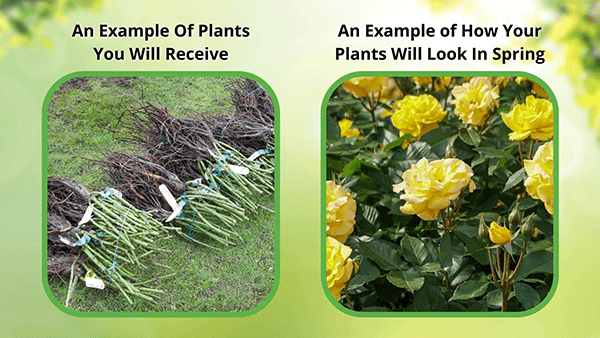
Plant bare-root stock as soon as it arrives, in well-drained soil with full to partial sun unless noted otherwise above. Water deeply once a week during the first growing season to establish a strong root system.
Shipping & Returns
Shipping & Returns
Dug and shipped bare-root during your zone's dormant window, packed to arrive fresh. Every order is backed by our first-season establishment guarantee — we'll replace it for you.