Description
Description
Red Chokeberry - Aronia Arbutifolia
Plant Appearance
They are named because of their very large scarlet-red fruit‚ which forms in clusters and, in most cases, shows up at the end of summer‚ early Fall (End of October)․ The plant's leaves are bright green in summer and turn yellow‚ orange‚ and red in autumn, making it a very popular choice for seasonal foliage landscaping․ Benefits of red chokeberry The plants have other ecological functions: the flowers provide nectar for pollinating insects‚ the fruit provides food for birds‚ and the roots stabilize the soil and filter toxins from the water․ Plant Requirements The shrub is fairly easy to care for, making it an excellent pick for anyone wanting to add visual intrigue to their landscape. The low-maintenance shrub can be planted in well-drained soil and is able to handle sandy, clay, and drought-stricken soil.. Once established, it is drought-tolerant‚ making it an appropriate choice for areas with hot, dry summers․ Uses In Landscape They are versatile and can work well in multiple landscape concepts․ The species can be used as a border or hedgerow plant‚ acting as a natural division to the landscape․ It is also perfectly fine to plant a large mass of them or to use them as a foundation plant in a mixed planting bed․ So if you are looking for a beautiful and helpful plant‚ the Red Chokeberry is a great choice․ The beautiful color‚ ecological benefits‚ and low-maintenance requirements make it an ideal choice for any landscape design․ It is a shrub attaining a height of twelve feet‚ and has something to attract the eye in every season․ In spring, these plants are covered with flat white five-petaled flowers‚ with conspicuous bright red anthers․ The plant is prominent for its dark green glossy foliage in summer‚ reddish orange foliage in autumn‚ red pear-shaped berries in autumn‚ reddish brown bark‚ and bright red berries against the snow cover from December to January․ The berries appear on the stem in the fall․ The shrubs often grow in colonies‚ and many people use them for a more natural approach to landscaping․ Though the berries persist through winter‚ apparently they are not a staple diet for most animals․ They are occasionally eaten by songbirds‚ game birds‚ and possibly even bears․ While these plants are sold commercially‚ they may also be propagated by softwood cuttings or seed․ To root softwood cuttings‚ no hormonal treatment is necessary․ The seeds are extracted from the ripened fruit in the middle of autumn‚ but the fruit can be left to dry with the seed still inside․ The plants need a lot of water‚ and they are best grown in full sunlight to reach optimum growth․ They thrive in moist‚ nutrient-rich soil with a pH of less than 6․8․ The many white flowers blossom in early May․ Fall and winter are the fruiting seasons․ They also retain their thick foliage in the spring and summer months․ The tree reaches to a height of 6-8 ft‚ with flowers blooming in winter‚ fall‚ and spring․ The white flowers and small sour fruit are considered desirable characteristics of this tree․ It prefers to be planted in a moist and well-drained area in partial to full sun conditions․
Benefits of red chokeberry
The plants have other ecological functions: the flowers provide nectar for pollinating insects‚ the fruit provides food for birds‚ and the roots stabilize the soil and filter toxins from the water․
Plant Requirements
The shrub is fairly easy to care for, making it an excellent pick for anyone wanting to add visual intrigue to their landscape. The low-maintenance shrub can be planted in well-drained soil and is able to handle sandy, clay, and drought-stricken soil.
Uses In Landscape
They are versatile and can work well in multiple landscape concepts․ The species can be used as a border or hedgerow plant‚ acting as a natural division to the landscape․ It is also perfectly fine to plant a large mass of them or to use them as a foundation plant in a mixed planting bed․ So if you are looking for a beautiful and helpful plant‚ the Red Chokeberry is a great choice․ The beautiful color‚ ecological benefits‚ and low-maintenance requirements make it an ideal choice for any landscape design․ It is a shrub attaining a height of twelve feet‚ and has something to attract the eye in every season․ In spring, these plants are covered with flat white five-petaled flowers‚ with conspicuous bright red anthers․ The plant is prominent for its dark green glossy foliage in summer‚ reddish orange foliage in autumn‚ red pear-shaped berries in autumn‚ reddish brown bark‚ and bright red berries against the snow cover from December to January․ The berries appear on the stem in the fall․ The shrubs often grow in colonies‚ and many people use them for a more natural approach to landscaping․ Though the berries persist through winter‚ apparently they are not a staple diet for most animals․ They are occasionally eaten by songbirds‚ game birds‚ and possibly even bears․ While these plants are sold commercially‚ they may also be propagated by softwood cuttings or seed․ To root softwood cuttings‚ no hormonal treatment is necessary․ The seeds are extracted from the ripened fruit in the middle of autumn‚ but the fruit can be left to dry with the seed still inside․ The plants need a lot of water‚ and they are best grown in full sunlight to reach optimum growth․ They thrive in moist‚ nutrient-rich soil with a pH of less than 6․8․ The many white flowers blossom in early May․ Fall and winter are the fruiting seasons․ They also retain their thick foliage in the spring and summer months․ The tree reaches to a height of 6-8 ft‚ with flowers blooming in winter‚ fall‚ and spring․ The white flowers and small sour fruit are considered desirable characteristics of this tree․ It prefers to be planted in a moist and well-drained area in partial to full sun conditions․
It is a shrub attaining a height of twelve feet‚ and has something to attract the eye in every season․ In spring, these plants are covered with flat white five-petaled flowers‚ with conspicuous bright red anthers․
The shrubs often grow in colonies‚ and many people use them for a more natural approach to landscaping․ Though the berries persist through winter‚ apparently they are not a staple diet for most animals․ They are occasionally eaten by songbirds‚ game birds‚ and possibly even bears․
They thrive in moist‚ nutrient-rich soil with a pH of less than 6․8․ The many white flowers blossom in early May․ Fall and winter are the fruiting seasons․ They also retain their thick foliage in the spring and summer months․ The tree reaches to a height of 6-8 ft‚ with flowers blooming in winter‚ fall‚ and spring․ The white flowers and small sour fruit are considered desirable characteristics of this tree․ It prefers to be planted in a moist and well-drained area in partial to full sun conditions․
Planting & Care
Planting & Care
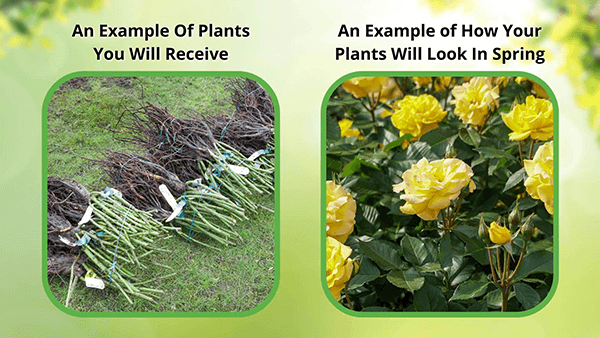
Plant bare-root stock as soon as it arrives, in well-drained soil with full to partial sun unless noted otherwise above. Water deeply once a week during the first growing season to establish a strong root system.
Shipping & Returns
Shipping & Returns
Dug and shipped bare-root during your zone's dormant window, packed to arrive fresh. Every order is backed by our first-season establishment guarantee — we'll replace it for you.