Description
Description
Hydrangea paniculata 'Grandiflora - Pee Gee Hydrangea'
The Pee Gee hydrangea is an excellent choice for any landscape․ Although it is a deciduous shrub‚ it is also called Hydrangea paniculata 'Grandiflora'‚ and is a favorite amongst gardeners because of its large‚ showy flower heads which are cone-shaped and can grow up to 18 inches long․ They bloom in mid-summer to Fall (End of October)‚ and are also known for their very long-lasting flowers‚ which start off white‚ then turn pink or bronze as they develop․ Growth and maintenance As they can grow to be up to 15 ft (4․6 m) high and 15 ft (4․6 m) wide‚ these plants are an impressive focal point of any garden․ They thrive in full shade to full sun‚ preferring well-drained soil but tolerating most soil types․ Once established‚ they are drought-tolerant and low-maintenance‚ making them a good addition to the garden․ Pee Gee hydrangea requirements It is essential for the shrub to have a lot of water every week․ Fertilizer is required in the early Spring 2024․ This‚ along with pruning‚ will help the shrub develop well and bloom in its natural habitat․ Pruning during the winter or early Spring 2024 when no new growth is present is another key step in the plant's development․ Dead‚ damaged or diseased wood should be removed and growth from the previous year should be cut back to two to three buds․ They are generally pest-resistant․ Plant Uses The most prominent feature of these shrubs is their versatility‚ and they can be used as a specimen plant‚ in a hedge or screen‚ as part of a mixed border‚ or trained up as a small tree․ This makes these shrubs popular with those who have limited space‚ such as in a small garden or a city․ Benefits While these hydrangeas are beautiful and versatile, adding color and interest to a landscape‚ with a little care‚ they can provide years of enjoyment․ Their showy flowers‚ easy maintenance‚ and hardiness make them a good plant choice for a gardener looking for a low-maintenance‚ high-impact flower․ The shrub is a native of Japan and was first introduced into the West in 1862․ The flowering shrub is highly sought after for its profusion of flowers․ This shrub can grow to be ten feet to twenty feet tall by ten feet to twenty feet wide․ The hydrangea is a rounded‚ multi-stemmed shrub that can be trained or pruned to create a small flowering tree‚ while leaving the giant stem bound to a stake for support․ The remaining stems are pruned to the upper quarter of the new "trunk" to improve support and stability․ In spring‚ the lower branches should be reduced again․ It is a fast-growing shrub or tree that can attain more than two feet in a year and prefers full sun and partial shade․ It does best with at least four hours of direct sunlight per day․ For healthy growth‚ the shrub needs to be grown in acidic‚ sandy‚ porous‚ and fertile clay and well-drained soil․ It enjoys wide popularity because it can grow well in a variety of soils and climates․ The shrub is hardy in Hardiness Zones 3-8‚ which covers‚ for the most part‚ the United States' mainland․ It is popularly known for the large white flowers that it produces that turn purple or pink in summer․ The clusters of flowers are usually six to eight inches long‚ but if a hydrangea bush is pruned to only between five and ten clusters‚ the flowers can be longer than twelve to eighteen inches․ The Pee Gee has dark green‚ serrated leaves that are between three and six inches long and may be shiny in the summer months․
Growth and maintenance
As they can grow to be up to 15 ft (4․6 m) high and 15 ft (4․6 m) wide‚ these plants are an impressive focal point of any garden․ They thrive in full shade to full sun‚ preferring well-drained soil but tolerating most soil types․ Once established‚ they are drought-tolerant and low-maintenance‚ making them a good addition to the garden․ Pee Gee hydrangea requirements It is essential for the shrub to have a lot of water every week․ Fertilizer is required in the early Spring 2024․ This‚ along with pruning‚ will help the shrub develop well and bloom in its natural habitat․ Pruning during the winter or early Spring 2024 when no new growth is present is another key step in the plant's development․ Dead‚ damaged or diseased wood should be removed and growth from the previous year should be cut back to two to three buds․ They are generally pest-resistant․ Plant Uses The most prominent feature of these shrubs is their versatility‚ and they can be used as a specimen plant‚ in a hedge or screen‚ as part of a mixed border‚ or trained up as a small tree․ This makes these shrubs popular with those who have limited space‚ such as in a small garden or a city․ Benefits While these hydrangeas are beautiful and versatile, adding color and interest to a landscape‚ with a little care‚ they can provide years of enjoyment․ Their showy flowers‚ easy maintenance‚ and hardiness make them a good plant choice for a gardener looking for a low-maintenance‚ high-impact flower․ The shrub is a native of Japan and was first introduced into the West in 1862․ The flowering shrub is highly sought after for its profusion of flowers․ This shrub can grow to be ten feet to twenty feet tall by ten feet to twenty feet wide․ The hydrangea is a rounded‚ multi-stemmed shrub that can be trained or pruned to create a small flowering tree‚ while leaving the giant stem bound to a stake for support․ The remaining stems are pruned to the upper quarter of the new "trunk" to improve support and stability․ In spring‚ the lower branches should be reduced again․ It is a fast-growing shrub or tree that can attain more than two feet in a year and prefers full sun and partial shade․ It does best with at least four hours of direct sunlight per day․ For healthy growth‚ the shrub needs to be grown in acidic‚ sandy‚ porous‚ and fertile clay and well-drained soil․ It enjoys wide popularity because it can grow well in a variety of soils and climates․ The shrub is hardy in Hardiness Zones 3-8‚ which covers‚ for the most part‚ the United States' mainland․ It is popularly known for the large white flowers that it produces that turn purple or pink in summer․ The clusters of flowers are usually six to eight inches long‚ but if a hydrangea bush is pruned to only between five and ten clusters‚ the flowers can be longer than twelve to eighteen inches․ The Pee Gee has dark green‚ serrated leaves that are between three and six inches long and may be shiny in the summer months․
Pee Gee hydrangea requirements
It is essential for the shrub to have a lot of water every week․ Fertilizer is required in the early Spring 2024․ This‚ along with pruning‚ will help the shrub develop well and bloom in its natural habitat․ Pruning during the winter or early Spring 2024 when no new growth is present is another key step in the plant's development․ Dead‚ damaged or diseased wood should be removed and growth from the previous year should be cut back to two to three buds․ They are generally pest-resistant․ Plant Uses The most prominent feature of these shrubs is their versatility‚ and they can be used as a specimen plant‚ in a hedge or screen‚ as part of a mixed border‚ or trained up as a small tree․ This makes these shrubs popular with those who have limited space‚ such as in a small garden or a city․ Benefits While these hydrangeas are beautiful and versatile, adding color and interest to a landscape‚ with a little care‚ they can provide years of enjoyment․ Their showy flowers‚ easy maintenance‚ and hardiness make them a good plant choice for a gardener looking for a low-maintenance‚ high-impact flower․ The shrub is a native of Japan and was first introduced into the West in 1862․ The flowering shrub is highly sought after for its profusion of flowers․ This shrub can grow to be ten feet to twenty feet tall by ten feet to twenty feet wide․ The hydrangea is a rounded‚ multi-stemmed shrub that can be trained or pruned to create a small flowering tree‚ while leaving the giant stem bound to a stake for support․ The remaining stems are pruned to the upper quarter of the new "trunk" to improve support and stability․ In spring‚ the lower branches should be reduced again․ It is a fast-growing shrub or tree that can attain more than two feet in a year and prefers full sun and partial shade․ It does best with at least four hours of direct sunlight per day․ For healthy growth‚ the shrub needs to be grown in acidic‚ sandy‚ porous‚ and fertile clay and well-drained soil․ It enjoys wide popularity because it can grow well in a variety of soils and climates․ The shrub is hardy in Hardiness Zones 3-8‚ which covers‚ for the most part‚ the United States' mainland․ It is popularly known for the large white flowers that it produces that turn purple or pink in summer․ The clusters of flowers are usually six to eight inches long‚ but if a hydrangea bush is pruned to only between five and ten clusters‚ the flowers can be longer than twelve to eighteen inches․ The Pee Gee has dark green‚ serrated leaves that are between three and six inches long and may be shiny in the summer months․
Plant Uses
The most prominent feature of these shrubs is their versatility‚ and they can be used as a specimen plant‚ in a hedge or screen‚ as part of a mixed border‚ or trained up as a small tree․ This makes these shrubs popular with those who have limited space‚ such as in a small garden or a city․ Benefits While these hydrangeas are beautiful and versatile, adding color and interest to a landscape‚ with a little care‚ they can provide years of enjoyment․ Their showy flowers‚ easy maintenance‚ and hardiness make them a good plant choice for a gardener looking for a low-maintenance‚ high-impact flower․ The shrub is a native of Japan and was first introduced into the West in 1862․ The flowering shrub is highly sought after for its profusion of flowers․ This shrub can grow to be ten feet to twenty feet tall by ten feet to twenty feet wide․ The hydrangea is a rounded‚ multi-stemmed shrub that can be trained or pruned to create a small flowering tree‚ while leaving the giant stem bound to a stake for support․ The remaining stems are pruned to the upper quarter of the new "trunk" to improve support and stability․ In spring‚ the lower branches should be reduced again․ It is a fast-growing shrub or tree that can attain more than two feet in a year and prefers full sun and partial shade․ It does best with at least four hours of direct sunlight per day․ For healthy growth‚ the shrub needs to be grown in acidic‚ sandy‚ porous‚ and fertile clay and well-drained soil․ It enjoys wide popularity because it can grow well in a variety of soils and climates․ The shrub is hardy in Hardiness Zones 3-8‚ which covers‚ for the most part‚ the United States' mainland․ It is popularly known for the large white flowers that it produces that turn purple or pink in summer․ The clusters of flowers are usually six to eight inches long‚ but if a hydrangea bush is pruned to only between five and ten clusters‚ the flowers can be longer than twelve to eighteen inches․ The Pee Gee has dark green‚ serrated leaves that are between three and six inches long and may be shiny in the summer months․
Benefits
The shrub is a native of Japan and was first introduced into the West in 1862․ The flowering shrub is highly sought after for its profusion of flowers․ This shrub can grow to be ten feet to twenty feet tall by ten feet to twenty feet wide․ The hydrangea is a rounded‚ multi-stemmed shrub that can be trained or pruned to create a small flowering tree‚ while leaving the giant stem bound to a stake for support․ The remaining stems are pruned to the upper quarter of the new "trunk" to improve support and stability․ In spring‚ the lower branches should be reduced again․ It is a fast-growing shrub or tree that can attain more than two feet in a year and prefers full sun and partial shade․ It does best with at least four hours of direct sunlight per day․ For healthy growth‚ the shrub needs to be grown in acidic‚ sandy‚ porous‚ and fertile clay and well-drained soil․ It enjoys wide popularity because it can grow well in a variety of soils and climates․ The shrub is hardy in Hardiness Zones 3-8‚ which covers‚ for the most part‚ the United States' mainland․ It is popularly known for the large white flowers that it produces that turn purple or pink in summer․ The clusters of flowers are usually six to eight inches long‚ but if a hydrangea bush is pruned to only between five and ten clusters‚ the flowers can be longer than twelve to eighteen inches․ The Pee Gee has dark green‚ serrated leaves that are between three and six inches long and may be shiny in the summer months․
The hydrangea is a rounded‚ multi-stemmed shrub that can be trained or pruned to create a small flowering tree‚ while leaving the giant stem bound to a stake for support․ The remaining stems are pruned to the upper quarter of the new "trunk" to improve support and stability․ In spring‚ the lower branches should be reduced again․ It is a fast-growing shrub or tree that can attain more than two feet in a year and prefers full sun and partial shade․ It does best with at least four hours of direct sunlight per day․ For healthy growth‚ the shrub needs to be grown in acidic‚ sandy‚ porous‚ and fertile clay and well-drained soil․ It enjoys wide popularity because it can grow well in a variety of soils and climates․ The shrub is hardy in Hardiness Zones 3-8‚ which covers‚ for the most part‚ the United States' mainland․ It is popularly known for the large white flowers that it produces that turn purple or pink in summer․ The clusters of flowers are usually six to eight inches long‚ but if a hydrangea bush is pruned to only between five and ten clusters‚ the flowers can be longer than twelve to eighteen inches․ The Pee Gee has dark green‚ serrated leaves that are between three and six inches long and may be shiny in the summer months․
It is a fast-growing shrub or tree that can attain more than two feet in a year and prefers full sun and partial shade․
For healthy growth‚ the shrub needs to be grown in acidic‚ sandy‚ porous‚ and fertile clay and well-drained soil․ It enjoys wide popularity because it can grow well in a variety of soils and climates․
The shrub is hardy in Hardiness Zones 3-8‚ which covers‚ for the most part‚ the United States' mainland․ It is popularly known for the large white flowers that it produces that turn purple or pink in summer․
The clusters of flowers are usually six to eight inches long‚ but if a hydrangea bush is pruned to only between five and ten clusters‚ the flowers can be longer than twelve to eighteen inches․
Planting & Care
Planting & Care
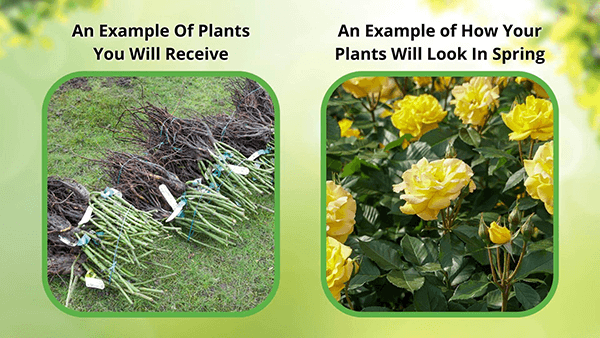
Plant bare-root stock as soon as it arrives, in well-drained soil with full to partial sun unless noted otherwise above. Water deeply once a week during the first growing season to establish a strong root system.
Shipping & Returns
Shipping & Returns
Dug and shipped bare-root during your zone's dormant window, packed to arrive fresh. Every order is backed by our first-season establishment guarantee — we'll replace it for you.