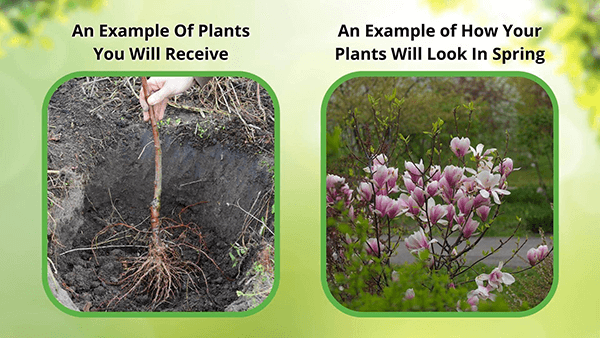
Description
Description
Carya Illinoinensis - Pecan Tree
The Pecan Tree is a tree species native to North America․ The Pecan Tree is popularly known for its attractive foliage and edible nuts‚ and has cultural and historical importance․ This product page covers the tree in greater detail‚ including its growth habits‚ physical attributes‚ and how it can improve a landscape․ Physical Characteristics In the wild‚ the tree may reach a height of 130 ft (40 m)․ On younger trees, the bark is quite smooth but develops ridges and furrows with age․ The foliage is alternate with leaflets 3 to 8 inches long‚ which turn from green to golden-yellow in the fall (End of October)․ Pecan Tree's Growth The slow-growing tree does not reach maturity until it is 10 years old but begins producing nuts soon after․ The tree prefers well-drained soil and full sun․ It grows in clay‚ loam, and sandy soils․ The tree has a taproot which may be up to 20 feet deep․ Benefits Besides being useful for shade‚ beautiful appearance‚ and edible nuts‚ this tree has ecological value as a habitat for wildlife‚ and also for air and water quality improvements․ It has cultural importance and has been used as a food and medicinal plant by many Native American tribes for centuries․ Maintenance Maintenance is required for this tree to live; it requires regular watering‚ especially in hot summer weather․ Fertilization may improve nut production and growth of the tree․ The tree is an attractive and valuable tree‚ with a wide array of ecological‚ cultural‚ and ornamental benefits․ The work is time- and resource-intensive, but the benefits justify the effort․
Physical Characteristics
In the wild‚ the tree may reach a height of 130 ft (40 m)․ On younger trees, the bark is quite smooth but develops ridges and furrows with age․ The foliage is alternate with leaflets 3 to 8 inches long‚ which turn from green to golden-yellow in the fall (End of October)․ Pecan Tree's Growth The slow-growing tree does not reach maturity until it is 10 years old but begins producing nuts soon after․ The tree prefers well-drained soil and full sun․ It grows in clay‚ loam, and sandy soils․ The tree has a taproot which may be up to 20 feet deep․ Benefits Besides being useful for shade‚ beautiful appearance‚ and edible nuts‚ this tree has ecological value as a habitat for wildlife‚ and also for air and water quality improvements․ It has cultural importance and has been used as a food and medicinal plant by many Native American tribes for centuries․ Maintenance Maintenance is required for this tree to live; it requires regular watering‚ especially in hot summer weather․ Fertilization may improve nut production and growth of the tree․ The tree is an attractive and valuable tree‚ with a wide array of ecological‚ cultural‚ and ornamental benefits․ The work is time- and resource-intensive, but the benefits justify the effort․
Pecan Tree's Growth
Benefits
Besides being useful for shade‚ beautiful appearance‚ and edible nuts‚ this tree has ecological value as a habitat for wildlife‚ and also for air and water quality improvements․
Planting & Care
Planting & Care
Plant bare-root stock as soon as it arrives, in well-drained soil with full to partial sun unless noted otherwise above. Water deeply once a week during the first growing season to establish a strong root system.
Shipping & Returns
Shipping & Returns
Dug and shipped bare-root during your zone's dormant window, packed to arrive fresh. Every order is backed by our first-season establishment guarantee — we'll replace it for you.