Description
Description
Carya illinoinensis - Pecan Seedlings
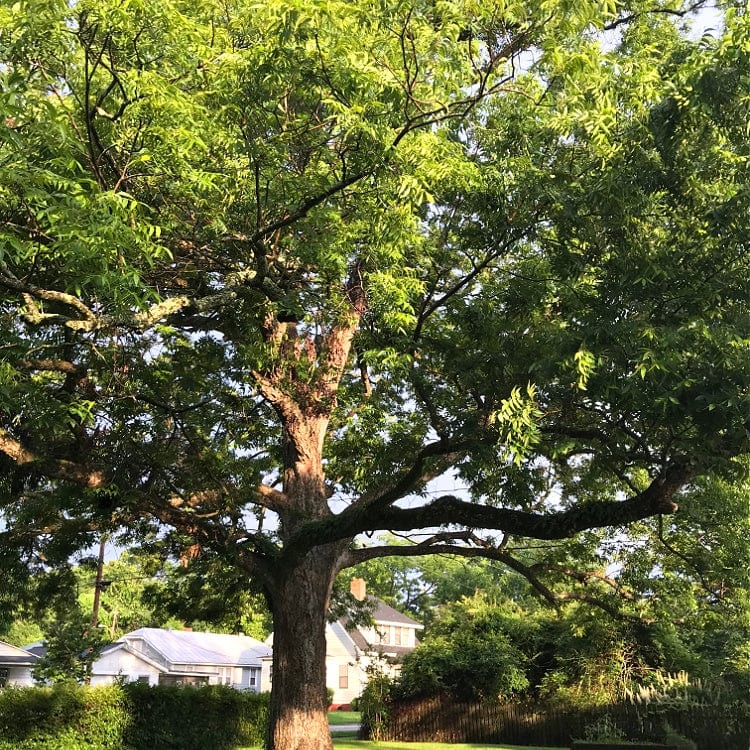
Thus‚ by transplanting a small pecan seedling and caring appropriately for it‚ the person can develop a landscape plant that is pleasing to the eye‚ produces good shade‚ and will produce a substantial number of pecans for many years․ It will produce food‚ vegetation and soil structure while attracting a diverse variety of wildlife․ However‚ when planted and maintained properly‚ trees set down long‚ strong roots which help hold them in place even in severe weather‚ and become permanent and integral parts of their ecosystems․
It takes many years for the sapling to grow and reach its adult size․ The sapling must also be planted in a well-drained‚ sunny spot to be successful․ Water needs to be supplied until young plants are established‚ but they should not be overwatered and suffer rot․ A mulch at the base of the plant keeps moisture in the ground and prevents weeds․ After the sapling is established‚ it is often pruned to develop good branching and crown shape․
Ideal conditions for growing pecan seedlings
These trees are highly dependent on growing location․ They are best suited to climates with warm summers and mild winters‚ where the nuts are sufficiently ripened for harvesting․ If the soil is loamy and well aerated‚ roots grow deep and healthy‚ but compaction will cause roots to be raised to the surface and restricted growth will reduce nut production․ Compost or organic matter can be added to improve drainage and also fortify nutrient levels․
The trees will grow better if deep watered because this encourages roots to grow deeper into the soil where they can meet more water when a drought occurs․ Juvenile trees are susceptible to grazing and browsing by herbivores․ Tree trunks can be wrapped in winter for added insulation to help the young trees survive the cold․ Windbreak panels can help protect young trees from stress and allow proper development․
Garden Pecan Seedlings: Long-Term Care for Productivity
These trees require cultural management to produce maximum crop yields‚ including fertilizer‚ thinning and pruning‚ disease and insect control‚ and weed control․ Balanced soil nutrition encourages tree vigor and nut production․ While nitrogen promotes leafy plant growth‚ phosphorus and potassium support root and disease resistance․
At times‚ the lower limbs are removed to increase airflow and decrease fungal infections‚ though not pruning will lead to a dense structure that decreases both the vigor of the tree as well as its crop․ Periodic inspection makes it possible for problems to be identified and remedied at an early stage․
With the proper care and maintenance‚ the trees produce abundant seasonal crops․ Their worth also increases by providing shade‚ attracting pollinators, and beautifying or improving the landscape for those who grow them․
Planting & Care
Planting & Care
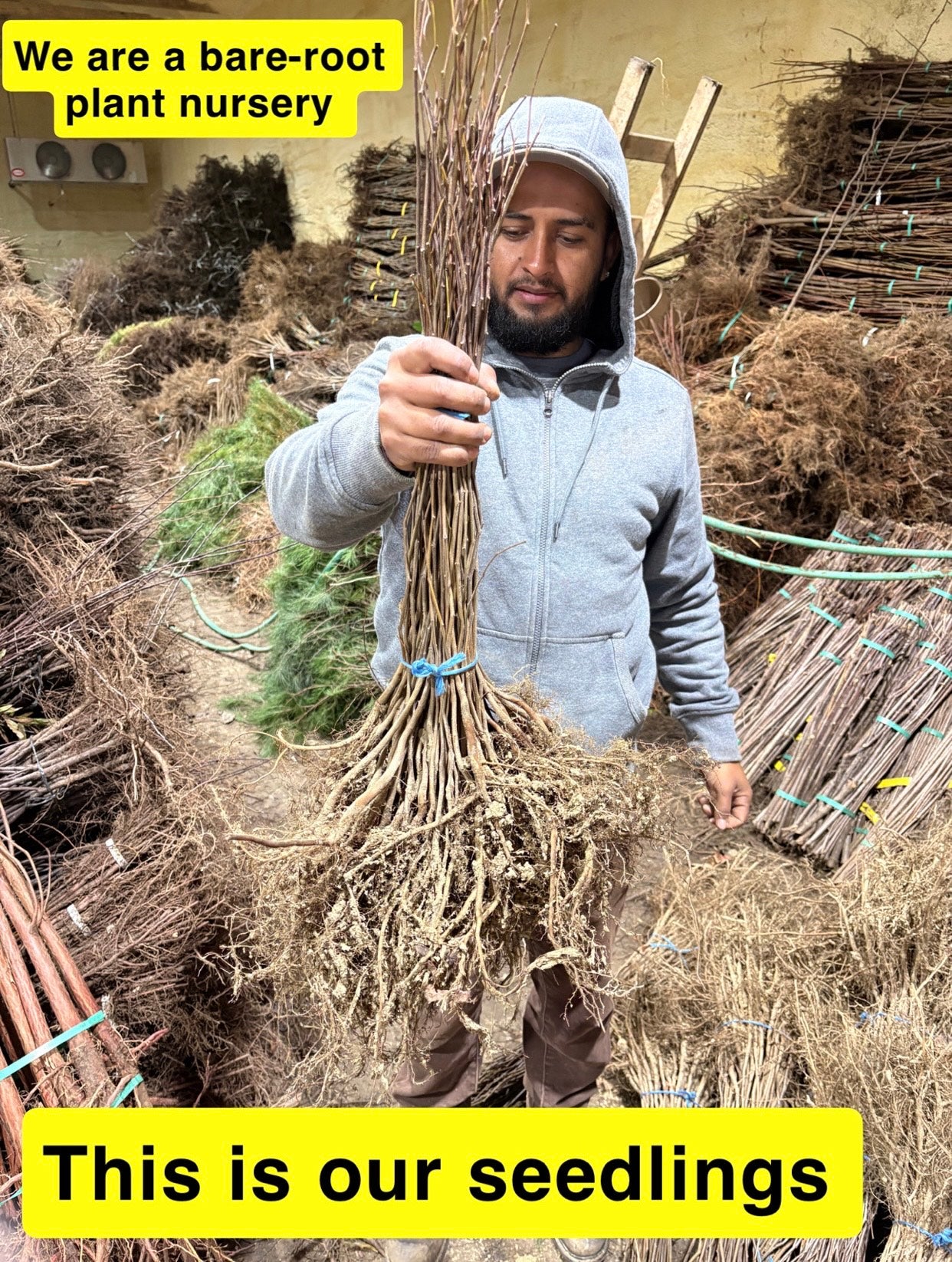
Plant bare-root stock as soon as it arrives, in well-drained soil with full to partial sun unless noted otherwise above. Water deeply once a week during the first growing season to establish a strong root system.
Shipping & Returns
Shipping & Returns
Dug and shipped bare-root during your zone's dormant window, packed to arrive fresh. Every order is backed by our first-season establishment guarantee — we'll replace it for you.