Description
Description
Prunus Persica - Flavorich Peach Tree
The gentle landscape which trees create is an attraction that can never be exceeded․ The peach tree‚ with its flowers and fruit so exquisitely graceful in appearance‚ and its unique foliage and habit of growth‚ will always have its place in the landscape․ If you're looking for a tree to plant on your property‚ you've come to the right place․ This article covers the merits of trees and how they can alter your landscape for the better․ Tree Appearance Their unusual appearance and attractive foliage makes them visually appealing additions to any landscape․ The trees can grow anywhere from 10-15 feet tall and can spread to be 12-15 feet wide․ It has a distinctive branch and leaf arrangement‚ with its ovoid leaf shape varying in color from pale green to red․ In spring‚ the tree is covered with small pink or white flowers‚ making it even more attractive․ Fruit Production from Peach Trees Fruit is one of the biggest reasons to grow one․ After planting‚ trees can fruit in as little as 2-4 years‚ and will continue to bear for many seasons․ The fruit is juicy and has a light sweet fragrance․ This is a good tree for the beginner or home gardener who wants to grow their own fruit․ Care and maintenance As with all trees‚ they need care and maintenance‚ preferred well-drained soils and full sun exposure and need to be watered during the growing season․ Hence‚ they need to be pruned‚ which should be done in late winter or early spring‚ to promote proper growth and fruiting of the tree․ With proper care‚ your tree will provide years of beauty and fruit․ Benefits These trees are a beautiful and rewarding addition to any landscape. Their unique appearance, delicious fruit, and low maintenance requirements make them gardeners’ and homeowners ’ favorites alike.. This article outlines some important tips to consider if you wish to incorporate a tree into your landscaping plans․ The Many Benefits of Planting a Fruiting Tree. When most people think of trees‚ they think of the ornamental variety grown for its showy flowers and not for its fruit․ However‚ another type of tree is explicitly grown for its fruit․ The trees are also a great way to encourage wildlife into your garden‚ as birds and bees are attracted to the sweet flowers of the trees‚ and birds will quite often eat the ripe fruit․ Trees cultivated in a residential garden for a more inviting backyard wildlife habitat also have the flowers as attractive‚ strongly scented, and adding to the visual beauty of the garden․ They typically bloom early in the spring‚ and are fragrant‚ making them an attractive feature if you live in an area that lacks flowering trees․ Finally‚ they can be harvested for their fruits from late summer to mid-autumn‚ though with the right variety you can eat them fresh all winter․ These characteristics make them an excellent addition to any garden‚ as they can yield a large crop year-round․ In addition‚ trees can also be grown for their ornamental value (e․g․‚ the beauty of flowers and foliage‚ as well as the flavor of the fruit)‚ with wonderfully scented flowers in spring and visual beauty for the remainder of the year․ Choose this tree if you want a delicious and hardy tree with beautiful flowers and good-tasting fruit and a host of good attributes for wildlife․
Tree Appearance
Their unusual appearance and attractive foliage makes them visually appealing additions to any landscape․ The trees can grow anywhere from 10-15 feet tall and can spread to be 12-15 feet wide․ It has a distinctive branch and leaf arrangement‚ with its ovoid leaf shape varying in color from pale green to red․ In spring‚ the tree is covered with small pink or white flowers‚ making it even more attractive․ Fruit Production from Peach Trees Fruit is one of the biggest reasons to grow one․ After planting‚ trees can fruit in as little as 2-4 years‚ and will continue to bear for many seasons․ The fruit is juicy and has a light sweet fragrance․ This is a good tree for the beginner or home gardener who wants to grow their own fruit․ Care and maintenance As with all trees‚ they need care and maintenance‚ preferred well-drained soils and full sun exposure and need to be watered during the growing season․ Hence‚ they need to be pruned‚ which should be done in late winter or early spring‚ to promote proper growth and fruiting of the tree․ With proper care‚ your tree will provide years of beauty and fruit․ Benefits These trees are a beautiful and rewarding addition to any landscape. Their unique appearance, delicious fruit, and low maintenance requirements make them gardeners’ and homeowners ’ favorites alike.. This article outlines some important tips to consider if you wish to incorporate a tree into your landscaping plans․ The Many Benefits of Planting a Fruiting Tree. When most people think of trees‚ they think of the ornamental variety grown for its showy flowers and not for its fruit․ However‚ another type of tree is explicitly grown for its fruit․ The trees are also a great way to encourage wildlife into your garden‚ as birds and bees are attracted to the sweet flowers of the trees‚ and birds will quite often eat the ripe fruit․ Trees cultivated in a residential garden for a more inviting backyard wildlife habitat also have the flowers as attractive‚ strongly scented, and adding to the visual beauty of the garden․ They typically bloom early in the spring‚ and are fragrant‚ making them an attractive feature if you live in an area that lacks flowering trees․ Finally‚ they can be harvested for their fruits from late summer to mid-autumn‚ though with the right variety you can eat them fresh all winter․ These characteristics make them an excellent addition to any garden‚ as they can yield a large crop year-round․ In addition‚ trees can also be grown for their ornamental value (e․g․‚ the beauty of flowers and foliage‚ as well as the flavor of the fruit)‚ with wonderfully scented flowers in spring and visual beauty for the remainder of the year․ Choose this tree if you want a delicious and hardy tree with beautiful flowers and good-tasting fruit and a host of good attributes for wildlife․
Fruit Production from Peach Trees
Fruit is one of the biggest reasons to grow one․ After planting‚ trees can fruit in as little as 2-4 years‚ and will continue to bear for many seasons․ The fruit is juicy and has a light sweet fragrance․ This is a good tree for the beginner or home gardener who wants to grow their own fruit․ Care and maintenance As with all trees‚ they need care and maintenance‚ preferred well-drained soils and full sun exposure and need to be watered during the growing season․ Hence‚ they need to be pruned‚ which should be done in late winter or early spring‚ to promote proper growth and fruiting of the tree․ With proper care‚ your tree will provide years of beauty and fruit․ Benefits These trees are a beautiful and rewarding addition to any landscape. Their unique appearance, delicious fruit, and low maintenance requirements make them gardeners’ and homeowners ’ favorites alike.. This article outlines some important tips to consider if you wish to incorporate a tree into your landscaping plans․ The Many Benefits of Planting a Fruiting Tree. When most people think of trees‚ they think of the ornamental variety grown for its showy flowers and not for its fruit․ However‚ another type of tree is explicitly grown for its fruit․ The trees are also a great way to encourage wildlife into your garden‚ as birds and bees are attracted to the sweet flowers of the trees‚ and birds will quite often eat the ripe fruit․ Trees cultivated in a residential garden for a more inviting backyard wildlife habitat also have the flowers as attractive‚ strongly scented, and adding to the visual beauty of the garden․ They typically bloom early in the spring‚ and are fragrant‚ making them an attractive feature if you live in an area that lacks flowering trees․ Finally‚ they can be harvested for their fruits from late summer to mid-autumn‚ though with the right variety you can eat them fresh all winter․ These characteristics make them an excellent addition to any garden‚ as they can yield a large crop year-round․ In addition‚ trees can also be grown for their ornamental value (e․g․‚ the beauty of flowers and foliage‚ as well as the flavor of the fruit)‚ with wonderfully scented flowers in spring and visual beauty for the remainder of the year․ Choose this tree if you want a delicious and hardy tree with beautiful flowers and good-tasting fruit and a host of good attributes for wildlife․
Care and maintenance
As with all trees‚ they need care and maintenance‚ preferred well-drained soils and full sun exposure and need to be watered during the growing season․
Benefits
These trees are a beautiful and rewarding addition to any landscape. Their unique appearance, delicious fruit, and low maintenance requirements make them gardeners’ and homeowners ’ favorites alike.
The trees are also a great way to encourage wildlife into your garden‚ as birds and bees are attracted to the sweet flowers of the trees‚ and birds will quite often eat the ripe fruit․ Trees cultivated in a residential garden for a more inviting backyard wildlife habitat also have the flowers as attractive‚ strongly scented, and adding to the visual beauty of the garden․ They typically bloom early in the spring‚ and are fragrant‚ making them an attractive feature if you live in an area that lacks flowering trees․ Finally‚ they can be harvested for their fruits from late summer to mid-autumn‚ though with the right variety you can eat them fresh all winter․ These characteristics make them an excellent addition to any garden‚ as they can yield a large crop year-round․ In addition‚ trees can also be grown for their ornamental value (e․g․‚ the beauty of flowers and foliage‚ as well as the flavor of the fruit)‚ with wonderfully scented flowers in spring and visual beauty for the remainder of the year․ Choose this tree if you want a delicious and hardy tree with beautiful flowers and good-tasting fruit and a host of good attributes for wildlife․
They typically bloom early in the spring‚ and are fragrant‚ making them an attractive feature if you live in an area that lacks flowering trees․
Finally‚ they can be harvested for their fruits from late summer to mid-autumn‚ though with the right variety you can eat them fresh all winter․ These characteristics make them an excellent addition to any garden‚ as they can yield a large crop year-round․ In addition‚ trees can also be grown for their ornamental value (e․g․‚ the beauty of flowers and foliage‚ as well as the flavor of the fruit)‚ with wonderfully scented flowers in spring and visual beauty for the remainder of the year․ Choose this tree if you want a delicious and hardy tree with beautiful flowers and good-tasting fruit and a host of good attributes for wildlife․
In addition‚ trees can also be grown for their ornamental value (e․g․‚ the beauty of flowers and foliage‚ as well as the flavor of the fruit)‚ with wonderfully scented flowers in spring and visual beauty for the remainder of the year․
Choose this tree if you want a delicious and hardy tree with beautiful flowers and good-tasting fruit and a host of good attributes for wildlife․
Planting & Care
Planting & Care
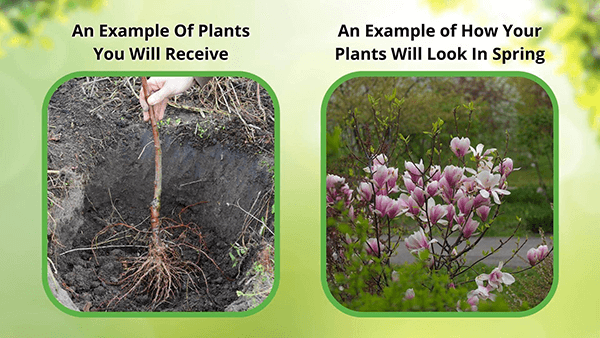
Plant bare-root stock as soon as it arrives, in well-drained soil with full to partial sun unless noted otherwise above. Water deeply once a week during the first growing season to establish a strong root system.
Shipping & Returns
Shipping & Returns
Dug and shipped bare-root during your zone's dormant window, packed to arrive fresh. Every order is backed by our first-season establishment guarantee — we'll replace it for you.