Description
Description
Quercus Lyrata - Overcup Oak Tree
Are you looking for a majestic tree that adds beauty and functionality to your landscape? If so‚ you might consider the Overcup Oak Tree․ This is a medium-sized oak tree native to the southeastern United States․
Characteristics
A rounded tree with thick branches and a nice canopy‚ in this article‚ you will learn about these trees‚ their benefits‚ and why you should plant them in your landscape․
It offers numerous advantages to any landscape:1․ It provides shade for areas that are hot during the summer months․2․ Acorns from this tree can be food for animals such as deer‚ squirrels‚ and birds3․ Additionally‚ this tree is very tolerant of moist environments‚ making it a good tree to plant in areas with high precipitation (October record) or poorly draining soils․The tree can grow in a wide types of soils and in conditions ranging from full sun to full shade․
The Aesthetic Value of Overcup Oak Trees
Despite its usefulness‚ the tree is also beautiful‚ its leaves a shiny green in the Spring and summer‚ yellow in the Fall (end of October 2024) and its rounded growth habit‚ its broad‚ thick branches make it an attractive accent tree for any yard or landscape system․ This variety also has distinctive bark - it is similar in pattern but more ridged and furrowed‚ and generally a darker brown․
Growing and Maintenance
It grows relatively easily and can be adapted both to wet conditions and to full sun to partial shade over well-drained soil․ In habitat‚ it may reach 60 to 80 feet (18 to 24 m) in height with a spread of somewhat less than 50 feet (15 m) in decent conditions․ Little or no pruning is needed unless broken or sick branches are removed or to shape or direct the tree․ The tree may need to be watered during the first several years after planting until its roots are established․
Benefits
The tree is a rapid grower․ Its dense foliage offers shade․ It is also attractive․ Its acorns are edible‚ while the tree can also tolerate wet soils․ The beautiful foliage‚ unique bark texture and architecture and strong branching structure of this tree make it a great choice for form and function‚ and a great asset to the landscape garden․
Intermediate-sized‚ deciduous‚ sturdy in stature‚ adaptable to a wide variety of conditions‚ these trees have languished in obscurity for some time but are gaining in popularity as a home landscape tree․ Their size and shape also make them an excellent shade tree for families․
It is a common species that is foraged by squirrels for its acorns․ It begins producing acorns when it is about 25 to 30 years old․ The tree's acorns are ¾ to one inch wide‚ with the cup covering almost the entirety of the nut․
It is best in USDA hardiness zones 5 through 9‚ and has some tolerance of flooding and poorly draining soils‚ though it grows best in well-drained soils․ It is a relatively fast-growing tree‚ growing at a rate of between 13 and 24 in (33 and 61 cm) each year․ It grows 40 to 70 feet (12 to 21 m) tall and 35 to 50 feet (11 to 15 m) wide with a straight trunk․
The trees have an oval to round canopy and a uniform branching pattern‚ with progressively higher lower branches to reduce the need for pruning․ The bark of an adult tree is gray to grayish-brown․ The leaves are dark green above and paler below․
The undersides are often covered in soft hair as well․ The leaves vary from six to eight inches long and two to four inches wide․ In the fall‚ the leaves turn yellow-brown and the bark is usually a nice gray-brown but may also have a beautiful reddish tinge․ The leaves of this tree are leathery․
Its summer leaves are green and its fall leaves are brilliant yellow-brown‚ as in this tree․ This tree can tolerate most soil conditions and most sun conditions in which trees can grow․ This tree can be planted in a wide variety of locations‚ if you have space․
Planting & Care
Planting & Care
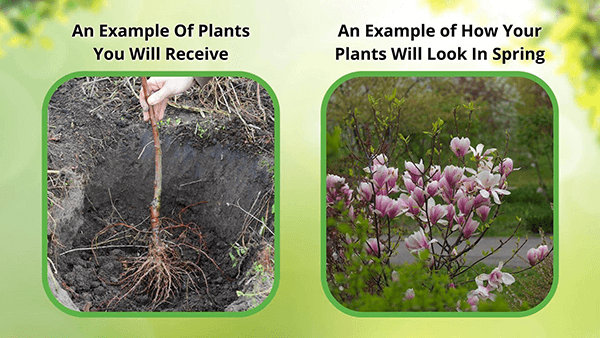
Plant bare-root stock as soon as it arrives, in well-drained soil with full to partial sun unless noted otherwise above. Water deeply once a week during the first growing season to establish a strong root system.
Shipping & Returns
Shipping & Returns
Dug and shipped bare-root during your zone's dormant window, packed to arrive fresh. Every order is backed by our first-season establishment guarantee — we'll replace it for you.