Description
Description
Lagerstroemia indica - Muskogee Crepe Myrtle
Looking for a show-stopping plant that can add color and texture to your garden? The Muskogee Crepe Myrtle is the answer.
Stunning Blooms
The Muskogee crepe myrtle is the easiest of the three to plant and maintain
Very versatile and adaptable
Characteristics
The tree grows lavender to purple flowers‚ 25' tall and 15 to 20' wide‚ preferring full sun and good drainage․ The recommended zones are 7-9․ Growth habit varies slightly by cultivar․ The most common‚ and most beautiful‚ and the one most used is the cultivar "Muskogee"․ There are avenues of these trees in some towns‚ and they are exceedingly beautiful when in bloom․ Indeed‚ in many respects‚ they are the tree of the south‚ but the flowers are not the only reason to grow Lavender Crepe myrtle․ Summer foliage of rich dark green color and sheen contrasts with the lavender flowers and the show carries into autumn․ Its foliage can be bright red and orange in the autumn‚ and the bark can be interesting in the winter on certain cultivars․ Older or larger trees often have peeling bark along the trunk of the tree‚ making them popular with homeowners who enjoy this characteristic․ The different colors of the trunk‚ branches and the leaves of the Lavender Crepe Myrtle make it a tree for all seasons․ The tree is low maintenance and fast-growing․ It does not seem to require pruning if not to be harvested‚ in the right conditions․ It will show more bark․ It needs slightly acidic to acid soil and low to moderate water once established․ It grows best in full sun․ It is an ideal homeowner tree as it is disease and drought resistant․ Deer‚ perhaps the most intrusive species attacking a tree that is attempting to achieve maximum growth‚ are not particularly fond of this species of tree‚ which makes it an ideal selection․ Suitable plantings include as a specimen plant or of several specimens to focus or anchor a perennial garden‚ laboratory, or park‚ as a massed street tree or a tree along a meandering‚ winding driveway‚ or in the front or back yard gardens of rural‚ suburban, or large city houses‚ providing year-round color and grace․ In some of the cities there are even rows of these trees on the streets․ They are one of the trees of the South and are a sight in full bloom․ Other reasons that the Lavender Crepe Myrtle is planted include the bloom and foliage‚ and in summer‚ the glossy green stages are a backdrop for the shrub (tree's) flower․ The show continues into autumn․ This tree provides interest throughout winter months as many of the cultivars are very ornamental․ The bark is very decorative and can be seen as it peels off the tree‚ as is the case with other crepe myrtle trees․ With different colored trunks and branches‚ the Lavender Crepe Myrtle becomes a tree for all seasons․ It is a fast-growing and easy to grow tree which‚ if planted in adequate space‚ does not require pruning except to help develop bark color․ It does best in lightly acid to acid soil‚ has low to average watering needs once established‚ and prefers full sun․ Homeowners like this disease-free and drought-resistant tree because it is less palatable to deer‚ which many landscapers or gardeners try very hard to keep from eating plants․ Homeowners can also use this tree as an anchor tree in a perennial garden or landscape․ This tree is a great mass planting either as avenue trees on a street or along a meandering driveway․ It can also be very effective when used as a front or back yard tree․ These are graceful and beautiful trees in all the sections where they are found‚ whether rural or urban․
Its foliage can be bright red and orange in the autumn‚ and the bark can be interesting in the winter on certain cultivars․
In some of the cities there are even rows of these trees on the streets․ They are one of the trees of the South and are a sight in full bloom․ Other reasons that the Lavender Crepe Myrtle is planted include the bloom and foliage‚ and in summer‚ the glossy green stages are a backdrop for the shrub (tree's) flower․ The show continues into autumn․ This tree provides interest throughout winter months as many of the cultivars are very ornamental․ The bark is very decorative and can be seen as it peels off the tree‚ as is the case with other crepe myrtle trees․ With different colored trunks and branches‚ the Lavender Crepe Myrtle becomes a tree for all seasons․ It is a fast-growing and easy to grow tree which‚ if planted in adequate space‚ does not require pruning except to help develop bark color․ It does best in lightly acid to acid soil‚ has low to average watering needs once established‚ and prefers full sun․ Homeowners like this disease-free and drought-resistant tree because it is less palatable to deer‚ which many landscapers or gardeners try very hard to keep from eating plants․ Homeowners can also use this tree as an anchor tree in a perennial garden or landscape․ This tree is a great mass planting either as avenue trees on a street or along a meandering driveway․ It can also be very effective when used as a front or back yard tree․ These are graceful and beautiful trees in all the sections where they are found‚ whether rural or urban․
This tree provides interest throughout winter months as many of the cultivars are very ornamental․ The bark is very decorative and can be seen as it peels off the tree‚ as is the case with other crepe myrtle trees․ With different colored trunks and branches‚ the Lavender Crepe Myrtle becomes a tree for all seasons․ It is a fast-growing and easy to grow tree which‚ if planted in adequate space‚ does not require pruning except to help develop bark color․ It does best in lightly acid to acid soil‚ has low to average watering needs once established‚ and prefers full sun․ Homeowners like this disease-free and drought-resistant tree because it is less palatable to deer‚ which many landscapers or gardeners try very hard to keep from eating plants․ Homeowners can also use this tree as an anchor tree in a perennial garden or landscape․ This tree is a great mass planting either as avenue trees on a street or along a meandering driveway․ It can also be very effective when used as a front or back yard tree․ These are graceful and beautiful trees in all the sections where they are found‚ whether rural or urban․
It is a fast-growing and easy to grow tree which‚ if planted in adequate space‚ does not require pruning except to help develop bark color․ It does best in lightly acid to acid soil‚ has low to average watering needs once established‚ and prefers full sun․ Homeowners like this disease-free and drought-resistant tree because it is less palatable to deer‚ which many landscapers or gardeners try very hard to keep from eating plants․ Homeowners can also use this tree as an anchor tree in a perennial garden or landscape․ This tree is a great mass planting either as avenue trees on a street or along a meandering driveway․ It can also be very effective when used as a front or back yard tree․ These are graceful and beautiful trees in all the sections where they are found‚ whether rural or urban․
Homeowners like this disease-free and drought-resistant tree because it is less palatable to deer‚ which many landscapers or gardeners try very hard to keep from eating plants․ Homeowners can also use this tree as an anchor tree in a perennial garden or landscape․
This tree is a great mass planting either as avenue trees on a street or along a meandering driveway․ It can also be very effective when used as a front or back yard tree․ These are graceful and beautiful trees in all the sections where they are found‚ whether rural or urban․
Planting & Care
Planting & Care
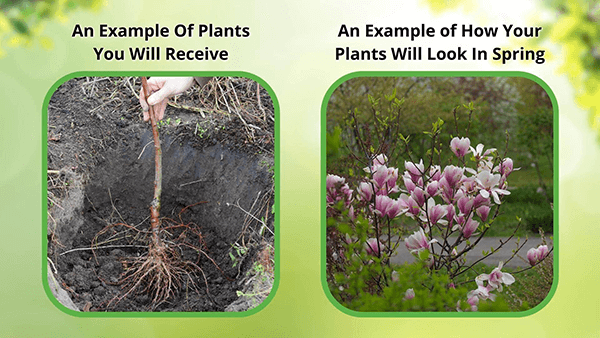
Plant bare-root stock as soon as it arrives, in well-drained soil with full to partial sun unless noted otherwise above. Water deeply once a week during the first growing season to establish a strong root system.
Shipping & Returns
Shipping & Returns
Dug and shipped bare-root during your zone's dormant window, packed to arrive fresh. Every order is backed by our first-season establishment guarantee — we'll replace it for you.