Description
Description
Pinus Taeda - Lolbolly Pine Tree
Tree Appearance
It is a tall‚ straight tree‚ up to 100 feet (30 m), with dark green‚ needle-like leaves that grow in groups of three․ Its tall‚ columnar shape and its foliage give it a distinctive appearance‚ the most obvious property being the large brownish-red cones that can grow up to 8 inches long․ ## Loblolly Pine Tree Benefits This tree has many benefits‚ making it an excellent choice for any landscaping project․ First‚ it is a fast-growing tree that can fill an area with shade‚ privacy‚ and windbreaks․ The tree is well adapted to poor soils and is drought tolerant as it has a long tap root system and can grow in a variety of soil conditions․ The tree is an excellent carbon sink and has been proposed as a way to help counteract climate change by sequestering carbon dioxide․ Landscaping The tree can be planted in multiple landscape environments and is often used as a windbreaker or privacy screen․ The tree can be used to create a natural wind barrier‚ or a private area․ Due to its tall‚ straight trunk‚ dense canopy and open habit‚ the tree is suitable for use as a specimen tree‚ a tree used in landscaping for its visual qualities․ It can also be used for naturalistic plantings or in a woodland garden․ Maintenance This tree supports light pruning for shaping purposes and for removing dead branches․ It has a resistance to some pests and diseases and is considered a low-maintenance tree․ Keep in mind that they may drop their needles and cones․ So you may have to rake up the needles and cones at times․ In short‚ the Loblolly Pine Tree is a lovely and versatile tree species that can improve any landscape project․ Its rapid growth and deep root system makes it ideal for use as a windbreak‚ a privacy screen or a specimen tree for any landscape․ Because it is hardy and easy to maintain‚ it can be easily established as a permanent part of any landscape․ The Pinus taeda L․‚ tree‚ is part of the Southern Pine family․ Although not limited to the South‚ it is often used as a 'quick screen' in landscapes because of its mature height (60'-100') and width (25' to 35')․ They may grow to heights of 150'․ The giant tree is easily recognized by its cluster of three dark green needles․ The dark grey/brown scaly bark has a 'mud hole' texture․ The evergreen of the same name favors boggy ground‚ but is also found in other soil types․ It is drought-resistant‚ so should suit both the green and not-so-green thumbs among you․ This tree is great for privacy‚ shade‚ windbreak‚ erosion control‚ aroma‚ and is attractive to many animals․ Animals that feed on the tree include wild turkey and black-capped chickadee who consume the seeds‚ Beaver who eat the bark and needles‚ and White-tailed Deer who eat the needles and twigs․ It is‚ with help from a former president‚ known to be the most famous tree in golf․ This evergreen is just left of the Augusta National Golf Club․ Reports state former president Dwight D․ Eisenhower used this course often‚ and he also allegedly requested to have this tree removed during a governors' meeting after hitting it too many times․ Clifford Roberts‚ the founder and president of the club‚ was in attendance․ Rather than tell its former president no‚ he ruled him out of order and closed the club session․ The tree was referred to as Eisenhower's Tree․ It is still alive at the age of 87․ So well-known is the tree that it is said to be 'insured' with another tree‚ Pine Tree․ Even if Eisenhower's Tree should come down, it would be an easy matter to replace‚ so pack your picnic basket and sit beneath your beautiful tree in peace․
This tree has many benefits‚ making it an excellent choice for any landscaping project․ First‚ it is a fast-growing tree that can fill an area with shade‚ privacy‚ and windbreaks․ The tree is well adapted to poor soils and is drought tolerant as it has a long tap root system and can grow in a variety of soil conditions․ The tree is an excellent carbon sink and has been proposed as a way to help counteract climate change by sequestering carbon dioxide․ Landscaping The tree can be planted in multiple landscape environments and is often used as a windbreaker or privacy screen․ The tree can be used to create a natural wind barrier‚ or a private area․ Due to its tall‚ straight trunk‚ dense canopy and open habit‚ the tree is suitable for use as a specimen tree‚ a tree used in landscaping for its visual qualities․ It can also be used for naturalistic plantings or in a woodland garden․ Maintenance This tree supports light pruning for shaping purposes and for removing dead branches․ It has a resistance to some pests and diseases and is considered a low-maintenance tree․ Keep in mind that they may drop their needles and cones․ So you may have to rake up the needles and cones at times․ In short‚ the Loblolly Pine Tree is a lovely and versatile tree species that can improve any landscape project․ Its rapid growth and deep root system makes it ideal for use as a windbreak‚ a privacy screen or a specimen tree for any landscape․ Because it is hardy and easy to maintain‚ it can be easily established as a permanent part of any landscape․ The Pinus taeda L․‚ tree‚ is part of the Southern Pine family․ Although not limited to the South‚ it is often used as a 'quick screen' in landscapes because of its mature height (60'-100') and width (25' to 35')․ They may grow to heights of 150'․ The giant tree is easily recognized by its cluster of three dark green needles․ The dark grey/brown scaly bark has a 'mud hole' texture․ The evergreen of the same name favors boggy ground‚ but is also found in other soil types․ It is drought-resistant‚ so should suit both the green and not-so-green thumbs among you․ This tree is great for privacy‚ shade‚ windbreak‚ erosion control‚ aroma‚ and is attractive to many animals․ Animals that feed on the tree include wild turkey and black-capped chickadee who consume the seeds‚ Beaver who eat the bark and needles‚ and White-tailed Deer who eat the needles and twigs․ It is‚ with help from a former president‚ known to be the most famous tree in golf․ This evergreen is just left of the Augusta National Golf Club․ Reports state former president Dwight D․ Eisenhower used this course often‚ and he also allegedly requested to have this tree removed during a governors' meeting after hitting it too many times․ Clifford Roberts‚ the founder and president of the club‚ was in attendance․ Rather than tell its former president no‚ he ruled him out of order and closed the club session․ The tree was referred to as Eisenhower's Tree․ It is still alive at the age of 87․ So well-known is the tree that it is said to be 'insured' with another tree‚ Pine Tree․ Even if Eisenhower's Tree should come down, it would be an easy matter to replace‚ so pack your picnic basket and sit beneath your beautiful tree in peace․
Landscaping
The tree can be planted in multiple landscape environments and is often used as a windbreaker or privacy screen․ The tree can be used to create a natural wind barrier‚ or a private area․ Due to its tall‚ straight trunk‚ dense canopy and open habit‚ the tree is suitable for use as a specimen tree‚ a tree used in landscaping for its visual qualities․ It can also be used for naturalistic plantings or in a woodland garden․ Maintenance This tree supports light pruning for shaping purposes and for removing dead branches․ It has a resistance to some pests and diseases and is considered a low-maintenance tree․ Keep in mind that they may drop their needles and cones․ So you may have to rake up the needles and cones at times․ In short‚ the Loblolly Pine Tree is a lovely and versatile tree species that can improve any landscape project․ Its rapid growth and deep root system makes it ideal for use as a windbreak‚ a privacy screen or a specimen tree for any landscape․ Because it is hardy and easy to maintain‚ it can be easily established as a permanent part of any landscape․ The Pinus taeda L․‚ tree‚ is part of the Southern Pine family․ Although not limited to the South‚ it is often used as a 'quick screen' in landscapes because of its mature height (60'-100') and width (25' to 35')․ They may grow to heights of 150'․ The giant tree is easily recognized by its cluster of three dark green needles․ The dark grey/brown scaly bark has a 'mud hole' texture․ The evergreen of the same name favors boggy ground‚ but is also found in other soil types․ It is drought-resistant‚ so should suit both the green and not-so-green thumbs among you․ This tree is great for privacy‚ shade‚ windbreak‚ erosion control‚ aroma‚ and is attractive to many animals․ Animals that feed on the tree include wild turkey and black-capped chickadee who consume the seeds‚ Beaver who eat the bark and needles‚ and White-tailed Deer who eat the needles and twigs․ It is‚ with help from a former president‚ known to be the most famous tree in golf․ This evergreen is just left of the Augusta National Golf Club․ Reports state former president Dwight D․ Eisenhower used this course often‚ and he also allegedly requested to have this tree removed during a governors' meeting after hitting it too many times․ Clifford Roberts‚ the founder and president of the club‚ was in attendance․ Rather than tell its former president no‚ he ruled him out of order and closed the club session․ The tree was referred to as Eisenhower's Tree․ It is still alive at the age of 87․ So well-known is the tree that it is said to be 'insured' with another tree‚ Pine Tree․ Even if Eisenhower's Tree should come down, it would be an easy matter to replace‚ so pack your picnic basket and sit beneath your beautiful tree in peace․
Maintenance
This tree supports light pruning for shaping purposes and for removing dead branches․ It has a resistance to some pests and diseases and is considered a low-maintenance tree․
They may grow to heights of 150'․ The giant tree is easily recognized by its cluster of three dark green needles․ The dark grey/brown scaly bark has a 'mud hole' texture․ The evergreen of the same name favors boggy ground‚ but is also found in other soil types․ It is drought-resistant‚ so should suit both the green and not-so-green thumbs among you․ This tree is great for privacy‚ shade‚ windbreak‚ erosion control‚ aroma‚ and is attractive to many animals․ Animals that feed on the tree include wild turkey and black-capped chickadee who consume the seeds‚ Beaver who eat the bark and needles‚ and White-tailed Deer who eat the needles and twigs․ It is‚ with help from a former president‚ known to be the most famous tree in golf․ This evergreen is just left of the Augusta National Golf Club․ Reports state former president Dwight D․ Eisenhower used this course often‚ and he also allegedly requested to have this tree removed during a governors' meeting after hitting it too many times․ Clifford Roberts‚ the founder and president of the club‚ was in attendance․ Rather than tell its former president no‚ he ruled him out of order and closed the club session․ The tree was referred to as Eisenhower's Tree․ It is still alive at the age of 87․ So well-known is the tree that it is said to be 'insured' with another tree‚ Pine Tree․ Even if Eisenhower's Tree should come down, it would be an easy matter to replace‚ so pack your picnic basket and sit beneath your beautiful tree in peace․
This tree is great for privacy‚ shade‚ windbreak‚ erosion control‚ aroma‚ and is attractive to many animals․ Animals that feed on the tree include wild turkey and black-capped chickadee who consume the seeds‚ Beaver who eat the bark and needles‚ and White-tailed Deer who eat the needles and twigs․
It is‚ with help from a former president‚ known to be the most famous tree in golf․ This evergreen is just left of the Augusta National Golf Club․ Reports state former president Dwight D․ Eisenhower used this course often‚ and he also allegedly requested to have this tree removed during a governors' meeting after hitting it too many times․ Clifford Roberts‚ the founder and president of the club‚ was in attendance․ Rather than tell its former president no‚ he ruled him out of order and closed the club session․ The tree was referred to as Eisenhower's Tree․ It is still alive at the age of 87․ So well-known is the tree that it is said to be 'insured' with another tree‚ Pine Tree․ Even if Eisenhower's Tree should come down, it would be an easy matter to replace‚ so pack your picnic basket and sit beneath your beautiful tree in peace․
So well-known is the tree that it is said to be 'insured' with another tree‚ Pine Tree․ Even if Eisenhower's Tree should come down, it would be an easy matter to replace‚ so pack your picnic basket and sit beneath your beautiful tree in peace․
Planting & Care
Planting & Care
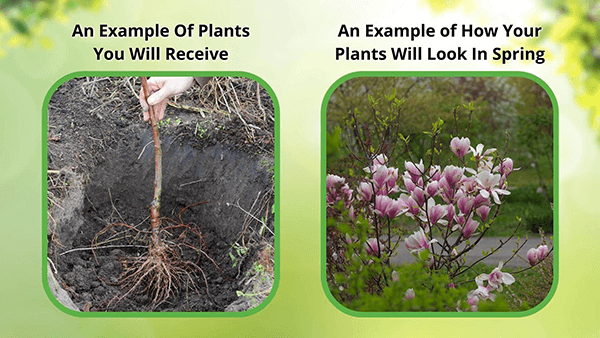
Plant bare-root stock as soon as it arrives, in well-drained soil with full to partial sun unless noted otherwise above. Water deeply once a week during the first growing season to establish a strong root system.
Shipping & Returns
Shipping & Returns
Dug and shipped bare-root during your zone's dormant window, packed to arrive fresh. Every order is backed by our first-season establishment guarantee — we'll replace it for you.