Description
Description
Impatiens Capensis - Jewelweed
Appearance and habitat
It is a 5 feet (1․5 m) tall‚ slender plant with oval leaves and bright green coloration․ It is commonly associated with streamsides‚ riversides‚ and wetlands‚ where it grows in moist‚ wetland soils․ Jewelweed's Medicinal Properties The herb is used as an antifungal‚ anti-inflammatory and antibacterial in customary herbal medicine․ In that context‚ it has been used for poison ivy‚ poison oak and other contact allergic reactions‚ dermatitis‚ insect bites and stings and occasionally for eczema and psoriasis․ The active chemical compounds in the plant include flavonoids‚ alkaloids‚ and terpenoids; they are thought to be the source of its medicinal properties‚ inhibiting inflammation as well as the growth of bacteria and fungi․ Uses in customary medicine In customary medicine‚ the plant was used by Native American tribes for skin irritations‚ rashes‚ and insect bites․ The leaves and stem of the plant were made into a tea to cure coughs and colds․ Modern Usage It is still used in alternative medicine and is available in ointments‚ salves‚ creams, and various other forms․ The plant is used for homeopathy and is an ingredient in many natural skincare products․ Sometimes nature invents its treatments for a variety of health issues‚ and the plant is used to treat insect bites‚ eczema‚ poison ivy‚ and burns․ The juice from the leaves and stem can be used for treating the skin․ This plant is very easy to find in the United States and Canada‚ and is common is many locations‚ especially the east of both countries․ To increase your chances of finding it‚ the best time is between May and October‚ as it is most active during these months․ You can find it growing near places with wet soil‚ like the edge of a creek‚ or even in a shallow pond․ It does not like sun‚ and this easy plant grows 3-5 feet tall․ The leaves are dark green and small․ The flowers‚ which are bright yellow-orange‚ are easily distinguished by their size and shape․ Their most prominent feature is their reddish spots․ Whereas with a lot of other plants‚ the stems are colored‚ with this plant‚ the stems are sort of a clear color‚ and the leaves look almost like silver in water․ The plant has its name‚ jewelweed‚ as the leaves have a silvery coating‚ which has the look of a jewel․ The coating helps in attracting butterflies and hummingbirds․ You may see these beautiful insects if you have this plant in your yard or garden․ If you want a different plant that not only has a beautiful form, but also healing properties for the skin, then this is an extraordinary plant that you should have in your garden. Why not?
Jewelweed's Medicinal Properties
Uses in customary medicine
In customary medicine‚ the plant was used by Native American tribes for skin irritations‚ rashes‚ and insect bites․ The leaves and stem of the plant were made into a tea to cure coughs and colds․
Modern Usage
It is still used in alternative medicine and is available in ointments‚ salves‚ creams, and various other forms․ The plant is used for homeopathy and is an ingredient in many natural skincare products․ Sometimes nature invents its treatments for a variety of health issues‚ and the plant is used to treat insect bites‚ eczema‚ poison ivy‚ and burns․ The juice from the leaves and stem can be used for treating the skin․ This plant is very easy to find in the United States and Canada‚ and is common is many locations‚ especially the east of both countries․ To increase your chances of finding it‚ the best time is between May and October‚ as it is most active during these months․ You can find it growing near places with wet soil‚ like the edge of a creek‚ or even in a shallow pond․ It does not like sun‚ and this easy plant grows 3-5 feet tall․ The leaves are dark green and small․ The flowers‚ which are bright yellow-orange‚ are easily distinguished by their size and shape․ Their most prominent feature is their reddish spots․ Whereas with a lot of other plants‚ the stems are colored‚ with this plant‚ the stems are sort of a clear color‚ and the leaves look almost like silver in water․ The plant has its name‚ jewelweed‚ as the leaves have a silvery coating‚ which has the look of a jewel․ The coating helps in attracting butterflies and hummingbirds․ You may see these beautiful insects if you have this plant in your yard or garden․ If you want a different plant that not only has a beautiful form, but also healing properties for the skin, then this is an extraordinary plant that you should have in your garden. Why not?
It does not like sun‚ and this easy plant grows 3-5 feet tall․ The leaves are dark green and small․ The flowers‚ which are bright yellow-orange‚ are easily distinguished by their size and shape․ Their most prominent feature is their reddish spots․
Whereas with a lot of other plants‚ the stems are colored‚ with this plant‚ the stems are sort of a clear color‚ and the leaves look almost like silver in water․
Planting & Care
Planting & Care
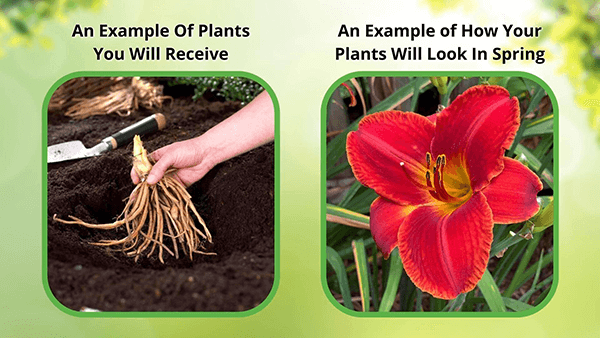
Plant bare-root stock as soon as it arrives, in well-drained soil with full to partial sun unless noted otherwise above. Water deeply once a week during the first growing season to establish a strong root system.
Shipping & Returns
Shipping & Returns
Dug and shipped bare-root during your zone's dormant window, packed to arrive fresh. Every order is backed by our first-season establishment guarantee — we'll replace it for you.