Description
Description
Arisaema Triphyllum - Jack In The Pulpit
Jack in the pulpit belongs to the family Araceae, a species of flowering plant․ It is a plant native to Eastern North America‚ which means it can be found anywhere from Canada to the southern portions of the United States․
Physical Characteristics
It is a perennial herbaceous plant which reaches up to 2 feet in height‚ and is easily recognized by its unique morphology․ The spathe (covering of the spadix) is green and hood-shaped‚ with a long‚ pointed tip that curves around the top of the spadix‚ a cylindrical structure covered with small flowers․ The spadix is covered in small greenish-yellow flowers that bloom in the spring․
Lifecycle of the Jack In The Pulpit
Plant Uses
Native Americans have used the plant medicinally and for food for centuries․ Calcium oxalate crystals can cause severe irritation‚ especially if the plant is ingested․ The plant has customarily been used for treating the common cold‚ sore throats‚ and some respiratory infections․ The roots can be used as an insecticide․ Cultivation In a garden setting‚ Scirpus pallidus grows best in wet‚ shady areas with well-drained soil․ Corms are planted in the autumn, and the plant begins developing in the following spring․ Regular watering and fertilization are advised for this plant to grow․ The plant is unique in many different ways‚ from its morphology to its life cycle‚ and is a marvel of nature․ It is a well-studied species․ Although it may not be suitable for many gardens‚ this is definitely a plant to be aware of‚ whether for its medicinal use or simply for its beauty․ It is also known as Indian Turnip‚ Brown Dragon‚ bog onion‚ Wild Turnip‚ or American Wake Robin․ It is a perennial herbaceous plant․ It is named after the flower‚ which has a cuplike hooded top with cream‚ green‚ burgundy, or brown color and is somewhat similar to a dragon's head․ This is what we all know as the hood or spathe covering a spike or spadix․ Seen from the pulpit‚ it could be mistaken for a man․ You can also see that the tiny white, red‚ pink‚ and green male and female flowers․ The hood is framed by a whorl of three basal leaves․ Native to the Midwestern United States‚ it is hardy in USDA Hardiness Zones 2 through 7․ Though preferring wet‚ very acid conditions‚ it can grow in the rich humus of a forest․ It is ideal for extremely boggy areas of your garden or lawn․ The plant ranges in size from 6 inches to 3 feet tall‚ and grows in partial to full shade․ It produces red berries in mid- to late summer at the apex of its spike․ Eventually the hood dies away‚ leaving the berries exposed in their full sumptuousness․ It is native to rich moist woods from New Brunswick‚ Canada south to Florida․ It is well adapted to a bog or a rain garden‚ although it also grows in poorly-drained soils․ It is propagated from seed in the berries‚ which can be planted in the fall in 6 inches of slightly acid organic soil․ They make good border plants in shade gardens, and in the outskirts of woods․ They are easy to cultivate and care for․ Those flowers will emerge on the spadix in mid- to late spring‚ and by the end of summer the spadix will be gone and in its place will be a cluster of green‚ red-ripening berries․ Your garden will have color for months․
Cultivation
In a garden setting‚ Scirpus pallidus grows best in wet‚ shady areas with well-drained soil․ Corms are planted in the autumn, and the plant begins developing in the following spring․ Regular watering and fertilization are advised for this plant to grow․ The plant is unique in many different ways‚ from its morphology to its life cycle‚ and is a marvel of nature․ It is a well-studied species․ Although it may not be suitable for many gardens‚ this is definitely a plant to be aware of‚ whether for its medicinal use or simply for its beauty․ It is also known as Indian Turnip‚ Brown Dragon‚ bog onion‚ Wild Turnip‚ or American Wake Robin․ It is a perennial herbaceous plant․ It is named after the flower‚ which has a cuplike hooded top with cream‚ green‚ burgundy, or brown color and is somewhat similar to a dragon's head․ This is what we all know as the hood or spathe covering a spike or spadix․ Seen from the pulpit‚ it could be mistaken for a man․ You can also see that the tiny white, red‚ pink‚ and green male and female flowers․ The hood is framed by a whorl of three basal leaves․ Native to the Midwestern United States‚ it is hardy in USDA Hardiness Zones 2 through 7․ Though preferring wet‚ very acid conditions‚ it can grow in the rich humus of a forest․ It is ideal for extremely boggy areas of your garden or lawn․ The plant ranges in size from 6 inches to 3 feet tall‚ and grows in partial to full shade․ It produces red berries in mid- to late summer at the apex of its spike․ Eventually the hood dies away‚ leaving the berries exposed in their full sumptuousness․ It is native to rich moist woods from New Brunswick‚ Canada south to Florida․ It is well adapted to a bog or a rain garden‚ although it also grows in poorly-drained soils․ It is propagated from seed in the berries‚ which can be planted in the fall in 6 inches of slightly acid organic soil․ They make good border plants in shade gardens, and in the outskirts of woods․ They are easy to cultivate and care for․ Those flowers will emerge on the spadix in mid- to late spring‚ and by the end of summer the spadix will be gone and in its place will be a cluster of green‚ red-ripening berries․ Your garden will have color for months․
It is also known as Indian Turnip‚ Brown Dragon‚ bog onion‚ Wild Turnip‚ or American Wake Robin․ It is a perennial herbaceous plant․ It is named after the flower‚ which has a cuplike hooded top with cream‚ green‚ burgundy, or brown color and is somewhat similar to a dragon's head․
This is what we all know as the hood or spathe covering a spike or spadix․ Seen from the pulpit‚ it could be mistaken for a man․ You can also see that the tiny white, red‚ pink‚ and green male and female flowers․ The hood is framed by a whorl of three basal leaves․ Native to the Midwestern United States‚ it is hardy in USDA Hardiness Zones 2 through 7․ Though preferring wet‚ very acid conditions‚ it can grow in the rich humus of a forest․ It is ideal for extremely boggy areas of your garden or lawn․ The plant ranges in size from 6 inches to 3 feet tall‚ and grows in partial to full shade․ It produces red berries in mid- to late summer at the apex of its spike․ Eventually the hood dies away‚ leaving the berries exposed in their full sumptuousness․ It is native to rich moist woods from New Brunswick‚ Canada south to Florida․ It is well adapted to a bog or a rain garden‚ although it also grows in poorly-drained soils․ It is propagated from seed in the berries‚ which can be planted in the fall in 6 inches of slightly acid organic soil․ They make good border plants in shade gardens, and in the outskirts of woods․ They are easy to cultivate and care for․ Those flowers will emerge on the spadix in mid- to late spring‚ and by the end of summer the spadix will be gone and in its place will be a cluster of green‚ red-ripening berries․ Your garden will have color for months․
Native to the Midwestern United States‚ it is hardy in USDA Hardiness Zones 2 through 7․ Though preferring wet‚ very acid conditions‚ it can grow in the rich humus of a forest․ It is ideal for extremely boggy areas of your garden or lawn․ The plant ranges in size from 6 inches to 3 feet tall‚ and grows in partial to full shade․ It produces red berries in mid- to late summer at the apex of its spike․ Eventually the hood dies away‚ leaving the berries exposed in their full sumptuousness․ It is native to rich moist woods from New Brunswick‚ Canada south to Florida․ It is well adapted to a bog or a rain garden‚ although it also grows in poorly-drained soils․ It is propagated from seed in the berries‚ which can be planted in the fall in 6 inches of slightly acid organic soil․ They make good border plants in shade gardens, and in the outskirts of woods․ They are easy to cultivate and care for․ Those flowers will emerge on the spadix in mid- to late spring‚ and by the end of summer the spadix will be gone and in its place will be a cluster of green‚ red-ripening berries․ Your garden will have color for months․
The plant ranges in size from 6 inches to 3 feet tall‚ and grows in partial to full shade․ It produces red berries in mid- to late summer at the apex of its spike․ Eventually the hood dies away‚ leaving the berries exposed in their full sumptuousness․ It is native to rich moist woods from New Brunswick‚ Canada south to Florida․ It is well adapted to a bog or a rain garden‚ although it also grows in poorly-drained soils․ It is propagated from seed in the berries‚ which can be planted in the fall in 6 inches of slightly acid organic soil․ They make good border plants in shade gardens, and in the outskirts of woods․ They are easy to cultivate and care for․ Those flowers will emerge on the spadix in mid- to late spring‚ and by the end of summer the spadix will be gone and in its place will be a cluster of green‚ red-ripening berries․ Your garden will have color for months․
Eventually the hood dies away‚ leaving the berries exposed in their full sumptuousness․ It is native to rich moist woods from New Brunswick‚ Canada south to Florida․ It is well adapted to a bog or a rain garden‚ although it also grows in poorly-drained soils․ It is propagated from seed in the berries‚ which can be planted in the fall in 6 inches of slightly acid organic soil․ They make good border plants in shade gardens, and in the outskirts of woods․ They are easy to cultivate and care for․ Those flowers will emerge on the spadix in mid- to late spring‚ and by the end of summer the spadix will be gone and in its place will be a cluster of green‚ red-ripening berries․ Your garden will have color for months․
Planting & Care
Planting & Care
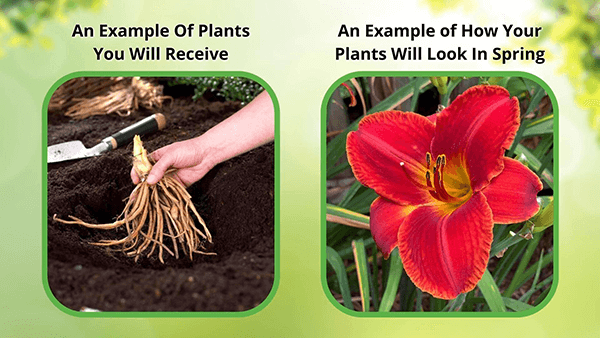
Plant bare-root stock as soon as it arrives, in well-drained soil with full to partial sun unless noted otherwise above. Water deeply once a week during the first growing season to establish a strong root system.
Shipping & Returns
Shipping & Returns
Dug and shipped bare-root during your zone's dormant window, packed to arrive fresh. Every order is backed by our first-season establishment guarantee — we'll replace it for you.