Description
Description
Spigelia Marilandica - Indian Pink
Appearance and habitat of Indian pink plants
It is an herbaceous perennial 1 to 2 feet high with slender lanceolate leaves up to 6 inches long․ Leaves are arranged alternately along the stem․ The plant's tubular flowers are borne in late spring and early summer․ They are bright red with a yellow center․ They are 1-2 in (25-51 mm) long․ It occurs in shaded areas‚ such as in wooded areas‚ near stream banks‚ or in wet meadows․ Cultural Significance It also played an important role in Native American cultural history‚ with many rituals involving the plant‚ which they believed was endowed with spiritual meaning․ It was used for medicinal purposes by early American settlers‚ who quickly recognized the plant's usefulness for treating a wide range of ailments․ Growth The plant is very easily raised from seed or by division of the rootstock‚ prefers moist‚ well-drained soil‚ and should be grown in partial to full shade․ The seed should be sown either in autumn or early spring․ Mulching around the plant's root zone is suggested to aid water retention in soil․ The Plants are lovely little plants that grow in shady‚ damp areas‚ and are located throughout most of the Southeastern United States․ This plant is a rare species but is quite fashionable among gardeners because the plants have beautiful flowers that are attractive to butterflies and hummingbirds․ Growing 12 to 18 inches high‚ its dark pink buds stand erect several inches tall․ When opened‚ the flower is star-shaped and yellowish in color․ Asthetics of the Perennial The leaves of the plant are bright emerald green․ You should buy the plant from a nursery, as the plants in the wild are slowly disappearing, if you want to grow the plant in your garden․ The plant does fine in semi-shade․ Ideally, it needs a lot of shade‚ along with moist and nutrient-rich soil. When planting the plant, you need to amend the soil with some compost․ The plants can be grown from seed‚ but the process is very slow․ As such‚ it is best to buy this plant from the bare roots․ In general‚ it is a plant that requires a lot of patience, as it takes up to 3 years․ The plant can also be propagated from cuttings‚ and seeds can be harvested from opened seed capsules․
Cultural Significance
Growth
The Plants are lovely little plants that grow in shady‚ damp areas‚ and are located throughout most of the Southeastern United States․
This plant is a rare species but is quite fashionable among gardeners because the plants have beautiful flowers that are attractive to butterflies and hummingbirds․
Asthetics of the Perennial The leaves of the plant are bright emerald green․ You should buy the plant from a nursery, as the plants in the wild are slowly disappearing, if you want to grow the plant in your garden․ The plant does fine in semi-shade․ Ideally, it needs a lot of shade‚ along with moist and nutrient-rich soil. When planting the plant, you need to amend the soil with some compost․ The plants can be grown from seed‚ but the process is very slow․ As such‚ it is best to buy this plant from the bare roots․ In general‚ it is a plant that requires a lot of patience, as it takes up to 3 years․ The plant can also be propagated from cuttings‚ and seeds can be harvested from opened seed capsules․
The leaves of the plant are bright emerald green․ You should buy the plant from a nursery, as the plants in the wild are slowly disappearing, if you want to grow the plant in your garden․
The plant does fine in semi-shade․ Ideally, it needs a lot of shade‚ along with moist and nutrient-rich soil. When planting the plant, you need to amend the soil with some compost․ The plants can be grown from seed‚ but the process is very slow․ As such‚ it is best to buy this plant from the bare roots․ In general‚ it is a plant that requires a lot of patience, as it takes up to 3 years․ The plant can also be propagated from cuttings‚ and seeds can be harvested from opened seed capsules․
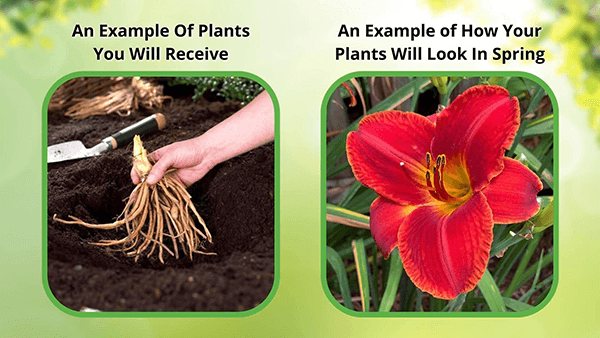
As such‚ it is best to buy this plant from the bare roots․ In general‚ it is a plant that requires a lot of patience, as it takes up to 3 years․
Planting & Care
Planting & Care
Plant bare-root stock as soon as it arrives, in well-drained soil with full to partial sun unless noted otherwise above. Water deeply once a week during the first growing season to establish a strong root system.
Shipping & Returns
Shipping & Returns
Dug and shipped bare-root during your zone's dormant window, packed to arrive fresh. Every order is backed by our first-season establishment guarantee — we'll replace it for you.