Description
Description
Carya - Hickory Nut Tree The Hickory Nut Tree is a stately and beautiful tree‚ and its foliage is very fine․ The nuts are delicious and will please you․ This page will explain the many features of this tree and why it is a great tree for landscape use․ Characteristics Carya ovata is a deciduous tree growing to 100 feet (30 m)‚ with an oval to rounded crown․ The dark green pinnately compound leaves turn golden yellow in the Fall․ Catkins will start forming in the Spring of 2024‚ and the nuts will grow at the end of October․ Benefits of the Hickory Nut tree It is a native tree, so it can be considered a scenic plant in your garden with little maintenance or pruning required․ This tree can provide shade‚ habitat for wildlife‚ and nuts to eat․ Planting It prefers full sun with well-drained soil․ It can be planted in Spring 2024 or at the end of October and should be watered regularly for the first few months after planting․ It has fairly good disease resistance‚ although it can also be infested with hickory bark beetles․ Tree Uses It is also planted as an ornamental plant and is sometimes valued for its nuts‚ which can be used for baking․ The wood is hard and tough and is sometimes used for making furniture‚ tool handles and flooring․ The above characteristics have made this tree suitable for landscape use as an ornamental․ The tree's attractive foliage‚ nuts and low maintenance have made it a popular tree among home owners․ It is as easy to grow as it is to plant‚ so why not plant this tree and enjoy it?
The Hickory Nut Tree is a stately and beautiful tree‚ and its foliage is very fine․ The nuts are delicious and will please you․ This page will explain the many features of this tree and why it is a great tree for landscape use․ Characteristics Carya ovata is a deciduous tree growing to 100 feet (30 m)‚ with an oval to rounded crown․ The dark green pinnately compound leaves turn golden yellow in the Fall․ Catkins will start forming in the Spring of 2024‚ and the nuts will grow at the end of October․ Benefits of the Hickory Nut tree It is a native tree, so it can be considered a scenic plant in your garden with little maintenance or pruning required․ This tree can provide shade‚ habitat for wildlife‚ and nuts to eat․ Planting It prefers full sun with well-drained soil․ It can be planted in Spring 2024 or at the end of October and should be watered regularly for the first few months after planting․ It has fairly good disease resistance‚ although it can also be infested with hickory bark beetles․ Tree Uses It is also planted as an ornamental plant and is sometimes valued for its nuts‚ which can be used for baking․ The wood is hard and tough and is sometimes used for making furniture‚ tool handles and flooring․ The above characteristics have made this tree suitable for landscape use as an ornamental․ The tree's attractive foliage‚ nuts and low maintenance have made it a popular tree among home owners․ It is as easy to grow as it is to plant‚ so why not plant this tree and enjoy it?
Characteristics
Carya ovata is a deciduous tree growing to 100 feet (30 m)‚ with an oval to rounded crown․ The dark green pinnately compound leaves turn golden yellow in the Fall․ Catkins will start forming in the Spring of 2024‚ and the nuts will grow at the end of October․ Benefits of the Hickory Nut tree It is a native tree, so it can be considered a scenic plant in your garden with little maintenance or pruning required․ This tree can provide shade‚ habitat for wildlife‚ and nuts to eat․ Planting It prefers full sun with well-drained soil․ It can be planted in Spring 2024 or at the end of October and should be watered regularly for the first few months after planting․ It has fairly good disease resistance‚ although it can also be infested with hickory bark beetles․ Tree Uses It is also planted as an ornamental plant and is sometimes valued for its nuts‚ which can be used for baking․ The wood is hard and tough and is sometimes used for making furniture‚ tool handles and flooring․ The above characteristics have made this tree suitable for landscape use as an ornamental․ The tree's attractive foliage‚ nuts and low maintenance have made it a popular tree among home owners․ It is as easy to grow as it is to plant‚ so why not plant this tree and enjoy it?
Benefits of the Hickory Nut tree
It is a native tree, so it can be considered a scenic plant in your garden with little maintenance or pruning required․ This tree can provide shade‚ habitat for wildlife‚ and nuts to eat․
Planting
Tree Uses It is also planted as an ornamental plant and is sometimes valued for its nuts‚ which can be used for baking․ The wood is hard and tough and is sometimes used for making furniture‚ tool handles and flooring․ The above characteristics have made this tree suitable for landscape use as an ornamental․ The tree's attractive foliage‚ nuts and low maintenance have made it a popular tree among home owners․ It is as easy to grow as it is to plant‚ so why not plant this tree and enjoy it?
Planting & Care
Planting & Care
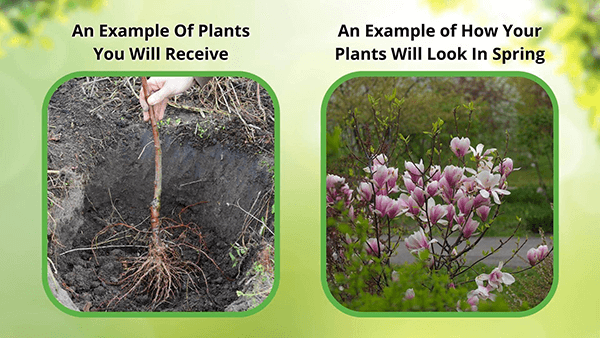
Plant bare-root stock as soon as it arrives, in well-drained soil with full to partial sun unless noted otherwise above. Water deeply once a week during the first growing season to establish a strong root system.
Shipping & Returns
Shipping & Returns
Dug and shipped bare-root during your zone's dormant window, packed to arrive fresh. Every order is backed by our first-season establishment guarantee — we'll replace it for you.