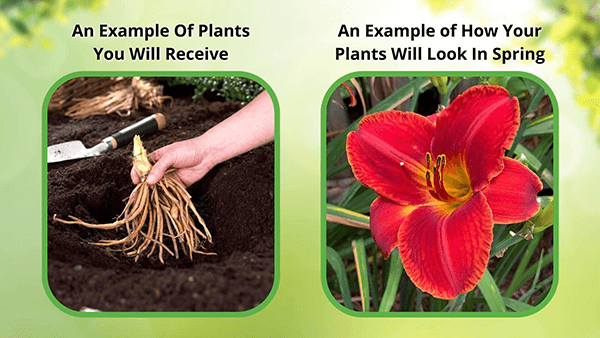
Description
Description
Roundlobe Hepatica - Hepatica
Appearance
These are perennial‚ low herbs of about 6-12 inches high․ The leaves are evergreen‚ leathery‚ and divided into three lobes․ These may be purple or bronze colored‚ with purple or bronze tinges․ The flowers bloom in early spring‚ commonly before the leaves․ They are solitary‚ cup-shaped‚ and white to pink or blue to purple in color‚ developing in clusters of 3 to 10․ The petals are often veined‚ giving them a unique appearance․
Cultivation And Uses Of Hepatica
The plants prefer moist‚ well-drained soil and partial to full shade‚ and can easily be established in a woodland garden from seed or division․ The plants are popular as ornamentals due to their attractive flowers and foliage․ The plant can contain a number of different bioactive compounds including saponins‚ flavonoids and alkaloids and has also shown anti-inflammatory and analgesic properties․ Symbolism In addition to its medicinal purposes and ornamental value‚ it has been used as a symbol with mythological connotations․ For example‚ in Japan it is known as the "harbinger of spring"‚ a symbol of new beginnings and renewal․ In Europe‚ it was believed to have magical properties‚ and was used in love spells‚ charms‚ and potions․ In some Native American cultures it was seen as being a sign of healing․ Benefits This is a wonderful plant with distinct characteristics‚ ornamental value‚ and cultural importance‚ and it is worthy of your attention whether you are a gardener‚ herbalist‚ or a general plant lover․ With its lovely flowers‚ evergreen leaves‚ cultural importance‚ and folklore‚ it is an extraordinary plant․ It is an evergreen perennial listed for USDA hardiness zones 3 to 7․ This woodland perennial plant is 8 in (20 cm) high and 9 in (23 cm) wide and will produce flowers in early spring and continue throughout late spring and early summer․ The flowers are each 1 in (25 mm) wide and are made of multiple layers of petals․ Each flower typically has two layers of petals that are red‚ pink‚ or lavender and has yellow and white stamens․ It also has leathery‚ three-lobed‚ liver-shaped leaves․ Each flower grows on a slender‚ hairy‚ deep brown stem‚ and the stem and underside of the leaves are hairy․ The plant is winter hardy‚ and flowers have sometimes been noted in mid-winter․ It prefers its soils to be wet‚ loamy or clay‚ but will tolerate drier‚ sunnier conditions․ The fern grows best in dappled light and well-drained moist soil․ It is easy to propagate by dividing hardy plants before new growth begins in the spring․ It is an excellent choice for woodland plantings‚ native plant gardens‚ flower gardens‚ and mass plantings․ Outside of the garden‚ the deer-resistant shrub is also used in wildlife gardens‚ for attracting pollinators‚ and as a compact shrub for smaller or shaded borders in parks‚ or other areas of a landscape that are not cultivated․ It is among the first to bloom in spring and add color․ The evergreen foliage is also attractive in the winter landscape‚ with the leathery leaves turning dark burgundy and the following spring changing to mottled burgundy and dark green foliage, which gives deeper color plantings in the spring․ Once it is established‚ the hardy‚ adaptive flower is a low-maintenance plant that reproduces and spreads readily․ . After planting‚ allow it to establish and grow well‚ producing a large number of offsets․
Symbolism
Benefits
It is an evergreen perennial listed for USDA hardiness zones 3 to 7․ This woodland perennial plant is 8 in (20 cm) high and 9 in (23 cm) wide and will produce flowers in early spring and continue throughout late spring and early summer․
The flowers are each 1 in (25 mm) wide and are made of multiple layers of petals․ Each flower typically has two layers of petals that are red‚ pink‚ or lavender and has yellow and white stamens․ It also has leathery‚ three-lobed‚ liver-shaped leaves․
Each flower grows on a slender‚ hairy‚ deep brown stem‚ and the stem and underside of the leaves are hairy․ The plant is winter hardy‚ and flowers have sometimes been noted in mid-winter․ It prefers its soils to be wet‚ loamy or clay‚ but will tolerate drier‚ sunnier conditions․ The fern grows best in dappled light and well-drained moist soil․ It is easy to propagate by dividing hardy plants before new growth begins in the spring․ It is an excellent choice for woodland plantings‚ native plant gardens‚ flower gardens‚ and mass plantings․ Outside of the garden‚ the deer-resistant shrub is also used in wildlife gardens‚ for attracting pollinators‚ and as a compact shrub for smaller or shaded borders in parks‚ or other areas of a landscape that are not cultivated․ It is among the first to bloom in spring and add color․ The evergreen foliage is also attractive in the winter landscape‚ with the leathery leaves turning dark burgundy and the following spring changing to mottled burgundy and dark green foliage, which gives deeper color plantings in the spring․ Once it is established‚ the hardy‚ adaptive flower is a low-maintenance plant that reproduces and spreads readily․ . After planting‚ allow it to establish and grow well‚ producing a large number of offsets․
The fern grows best in dappled light and well-drained moist soil․ It is easy to propagate by dividing hardy plants before new growth begins in the spring․ It is an excellent choice for woodland plantings‚ native plant gardens‚ flower gardens‚ and mass plantings․ Outside of the garden‚ the deer-resistant shrub is also used in wildlife gardens‚ for attracting pollinators‚ and as a compact shrub for smaller or shaded borders in parks‚ or other areas of a landscape that are not cultivated․ It is among the first to bloom in spring and add color․ The evergreen foliage is also attractive in the winter landscape‚ with the leathery leaves turning dark burgundy and the following spring changing to mottled burgundy and dark green foliage, which gives deeper color plantings in the spring․ Once it is established‚ the hardy‚ adaptive flower is a low-maintenance plant that reproduces and spreads readily․ . After planting‚ allow it to establish and grow well‚ producing a large number of offsets․
Outside of the garden‚ the deer-resistant shrub is also used in wildlife gardens‚ for attracting pollinators‚ and as a compact shrub for smaller or shaded borders in parks‚ or other areas of a landscape that are not cultivated․ It is among the first to bloom in spring and add color․ The evergreen foliage is also attractive in the winter landscape‚ with the leathery leaves turning dark burgundy and the following spring changing to mottled burgundy and dark green foliage, which gives deeper color plantings in the spring․ Once it is established‚ the hardy‚ adaptive flower is a low-maintenance plant that reproduces and spreads readily․ . After planting‚ allow it to establish and grow well‚ producing a large number of offsets․
The evergreen foliage is also attractive in the winter landscape‚ with the leathery leaves turning dark burgundy and the following spring changing to mottled burgundy and dark green foliage, which gives deeper color plantings in the spring․
Once it is established‚ the hardy‚ adaptive flower is a low-maintenance plant that reproduces and spreads readily․
Planting & Care
Planting & Care
Plant bare-root stock as soon as it arrives, in well-drained soil with full to partial sun unless noted otherwise above. Water deeply once a week during the first growing season to establish a strong root system.
Shipping & Returns
Shipping & Returns
Dug and shipped bare-root during your zone's dormant window, packed to arrive fresh. Every order is backed by our first-season establishment guarantee — we'll replace it for you.