Description
Description
Asarum Europaeum - European Ginger
Unique Foliage
One of the most differentiating features of the plant is the large, heart-shaped leaves that grow in a rosette pattern. These leaves are glossy and dark green, with the rosette giving it a neat and attractive appearance.
Uses of European ginger
Medicinal Properties
Growth
Its foliage is dark green and shiny with a size of almost 4 inches; the leaves are kidney-shaped․ It grows as a slowly spreading ground cover․ It is easy to grow‚ and is an evergreen perennial in climates with mild winters․ It also produces small brownish‚ bell-shaped flowers‚ but it is grown mainly for its foliage․ It is used in containers‚ beds‚ borders‚ slopes, and as a ground cover․ The plants grow best in small patches or groups and can take a few years to establish themselves in your garden․ It may be propagated by dividing the root ball‚ as well as by seed․ It may be used in combination with hosta‚ primrose and low-growing ferns․ Leaves are attractive‚ dark green and poisonous when eaten and should be kept out of the reach of small children and pets․ The plant should not be confused with ginger spice․ Widely spread as a common ground cover plant in Europe‚ it can be used as a spice or another flavoring․ It is very tolerant of the shade and can be a good groundcover beneath a large shade-producing tree․ Each stem bears two kidney-shaped leaves on opposite sides․ These leaves are similar in appearance and have a peppery taste and scent‚ making them suitable as a spice․ Soil: Nutrient-rich, slightly acidic. Sun: Partial shade to full shade. This is a popular plant with gardeners because of the slow growth‚ evergreen foliage, and unique flower․ Due to its preference for low light‚ the plant is a good landscape plant under the canopy of a large shade tree or in any shady location‚ although the flowers are hidden below the leaves․
It also produces small brownish‚ bell-shaped flowers‚ but it is grown mainly for its foliage․ It is used in containers‚ beds‚ borders‚ slopes, and as a ground cover․ The plants grow best in small patches or groups and can take a few years to establish themselves in your garden․ It may be propagated by dividing the root ball‚ as well as by seed․ It may be used in combination with hosta‚ primrose and low-growing ferns․ Leaves are attractive‚ dark green and poisonous when eaten and should be kept out of the reach of small children and pets․ The plant should not be confused with ginger spice․ Widely spread as a common ground cover plant in Europe‚ it can be used as a spice or another flavoring․ It is very tolerant of the shade and can be a good groundcover beneath a large shade-producing tree․ Each stem bears two kidney-shaped leaves on opposite sides․ These leaves are similar in appearance and have a peppery taste and scent‚ making them suitable as a spice․ Soil: Nutrient-rich, slightly acidic. Sun: Partial shade to full shade. This is a popular plant with gardeners because of the slow growth‚ evergreen foliage, and unique flower․ Due to its preference for low light‚ the plant is a good landscape plant under the canopy of a large shade tree or in any shady location‚ although the flowers are hidden below the leaves․
It may be propagated by dividing the root ball‚ as well as by seed․ It may be used in combination with hosta‚ primrose and low-growing ferns․ Leaves are attractive‚ dark green and poisonous when eaten and should be kept out of the reach of small children and pets․ The plant should not be confused with ginger spice․ Widely spread as a common ground cover plant in Europe‚ it can be used as a spice or another flavoring․ It is very tolerant of the shade and can be a good groundcover beneath a large shade-producing tree․ Each stem bears two kidney-shaped leaves on opposite sides․ These leaves are similar in appearance and have a peppery taste and scent‚ making them suitable as a spice․ Soil: Nutrient-rich, slightly acidic. Sun: Partial shade to full shade. This is a popular plant with gardeners because of the slow growth‚ evergreen foliage, and unique flower․ Due to its preference for low light‚ the plant is a good landscape plant under the canopy of a large shade tree or in any shady location‚ although the flowers are hidden below the leaves․
It is very tolerant of the shade and can be a good groundcover beneath a large shade-producing tree․ Each stem bears two kidney-shaped leaves on opposite sides․ These leaves are similar in appearance and have a peppery taste and scent‚ making them suitable as a spice․ Soil: Nutrient-rich, slightly acidic. Sun: Partial shade to full shade. This is a popular plant with gardeners because of the slow growth‚ evergreen foliage, and unique flower․ Due to its preference for low light‚ the plant is a good landscape plant under the canopy of a large shade tree or in any shady location‚ although the flowers are hidden below the leaves․
Soil: Nutrient-rich, slightly acidic. Sun: Partial shade to full shade. This is a popular plant with gardeners because of the slow growth‚ evergreen foliage, and unique flower․
Due to its preference for low light‚ the plant is a good landscape plant under the canopy of a large shade tree or in any shady location‚ although the flowers are hidden below the leaves․
Planting & Care
Planting & Care
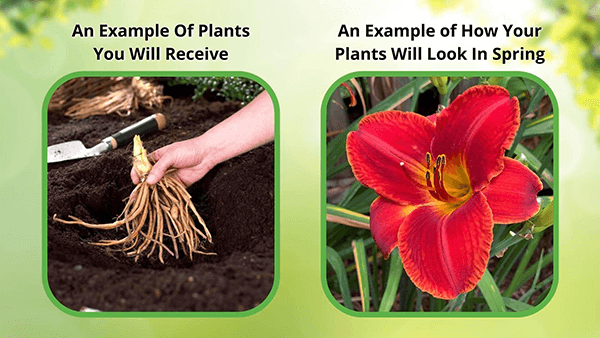
Plant bare-root stock as soon as it arrives, in well-drained soil with full to partial sun unless noted otherwise above. Water deeply once a week during the first growing season to establish a strong root system.
Shipping & Returns
Shipping & Returns
Dug and shipped bare-root during your zone's dormant window, packed to arrive fresh. Every order is backed by our first-season establishment guarantee — we'll replace it for you.