Description
Description
Cornus Florida - Cherokee Chief Dogwood
Cherokee Chief Dogwood is a small‚ deciduous tree native to eastern North America․ At maturity, it usually grows 20 to 30 feet high and 25 to 30 feet wide․ Cherokee Chief Dogwood's most prominent features are its impressive red fruit‚ which ripens in the Fall (End of October), and large pink or red flowers‚ which bloom in early Spring 2024․ A Low-Maintenance Tree It is easy to grow in a moderately humid environment and preferably well-drained soil in partial to full sun․ It can grow in most soils and at virtually any soil pH; however, the soil needs to maintain some moisture level․ Most of the time, it may be necessary to prune the Tree for dead or damaged wood․ Uses of Cherokee Chief dogwood Beyond its ornamental use‚ the Tree may be grown as a screen‚ hedge, or accent tree in small yards or gardens‚ and is often used in wildlife gardens‚ as the fruit is eaten by birds and other small mammals․ Known For Its Unique Blossoms The Dogwood tree was a part of Cherokee history and tradition for a long time in stories and legends and in customary customs and practices․ The Cherokee have close relations with the environment and land․ According to legend‚ the Tree is a symbol of strength and endurance and when the tree was cut down to make the wood of the cross on which Jesus Christ was crucified‚ the Tree prayed to God that it would never grow tall and strong again․ God heard that prayer and turned the Tree into a weak and small tree having four white petals at the end of each petal representing the four points of the cross on which Christ was crucified‚ a red center representing his blood and a dent at the end of each petal representing the nails that were used to crucify him․ Beautiful Appearance It is among the prettiest Native American flowering trees․ The white four-petal flowers are bright and will definitely attract not only the eyes of humans‚ but also birds and butterflies․ They are slow to medium-growing trees that reach a maximum height of twenty-five feet; they are multi-stemmed deciduous plants with flower-laden branches․ They should be planted around twenty-five to thirty feet apart‚ and prefer a fairly bright area‚ yet can endure lower levels of sunshine․ It grows well in cold zones five to nine‚ making it one of the hardiest flowering trees․ In the winter‚ it may do better with a thick layer of mulch around the roots․ The tree is showy and attractive year-round with its light-colored bark‚ large numbers of white flowers in the spring‚ green foliage in summer‚ bright red ornamental fruit in fall‚ and crimson or purple foliage in fall․ The Tree somewhat resembles a pyramid‚ as it is wider than it is tall‚ and in the fall‚ with the flowers in bloom‚ the broad‚ flat top makes an excellent shade tree‚ and gives the impression of sitting in a fairy forest․ This tree has a ground clearance of around four feet‚ which makes for a popular spot for children to play underneath the low branch․ Though this princess looks right at home within a forest or woodland where it is naturally found‚ it also looks gorgeous as a centerpiece in a home's garden․ This little beauty is a tough tree‚ and will need fertile‚ well-drained‚ acid soils and adequate rainfall․ This tree would make an excellent landscape choice‚ as its large form would show off in splendor and beauty․ They are beautiful ornamental trees native to North America․ The trees are outstanding plants‚ their beauty dazzling the eye year-round․ If it does bloom‚ it does so in the spring as the leaves are emerging‚ and produces pink to red flowers․ It has attractive green foliage in the summer‚ and the leaves turn scarlet to bronze in the fall․ Bright berries appear in late fall or early winter․ These colors are most intense in the 5b to 8a hardiness zones․ The height of the fully mature tree ranges from 20 to 25 feet with a spread of 12 to 15 feet․ The spread is upright at the crown‚ and the fully grown heights of the Tree vary according to where it is planted․ This Tree needs some space to grow to its full size․ Although hardy in zones 5-8‚ it can be grown in any climate with adequate water․ If it flowers‚ it flowers in the spring․ It makes a beautiful bedding plant in front of evergreens․ The Tree‚ or flowering tree‚ is considered one of the most beautiful trees indigenous to America․ And that's why this is one of the most popular ornamental Trees for residential and garden use․ A small Tree‚ it is deciduous and blooms in early spring with small clusters of white bract-like petals surrounding each flower․ Full or partial sun is recommended when choosing a location to plant and grow this Tree․ Dark green‚ oval leaves grow on the tree and turn brilliant red in the fall․ The Tree has red fruits that are of no culinary use to humans‚ as they have a bitter flavor‚ although birds eat them; they ripen from late summer to early fall․
A Low-Maintenance Tree
It is easy to grow in a moderately humid environment and preferably well-drained soil in partial to full sun․ It can grow in most soils and at virtually any soil pH; however, the soil needs to maintain some moisture level․ Most of the time, it may be necessary to prune the Tree for dead or damaged wood․ Uses of Cherokee Chief dogwood Beyond its ornamental use‚ the Tree may be grown as a screen‚ hedge, or accent tree in small yards or gardens‚ and is often used in wildlife gardens‚ as the fruit is eaten by birds and other small mammals․ Known For Its Unique Blossoms The Dogwood tree was a part of Cherokee history and tradition for a long time in stories and legends and in customary customs and practices․ The Cherokee have close relations with the environment and land․ According to legend‚ the Tree is a symbol of strength and endurance and when the tree was cut down to make the wood of the cross on which Jesus Christ was crucified‚ the Tree prayed to God that it would never grow tall and strong again․ God heard that prayer and turned the Tree into a weak and small tree having four white petals at the end of each petal representing the four points of the cross on which Christ was crucified‚ a red center representing his blood and a dent at the end of each petal representing the nails that were used to crucify him․ Beautiful Appearance It is among the prettiest Native American flowering trees․ The white four-petal flowers are bright and will definitely attract not only the eyes of humans‚ but also birds and butterflies․ They are slow to medium-growing trees that reach a maximum height of twenty-five feet; they are multi-stemmed deciduous plants with flower-laden branches․ They should be planted around twenty-five to thirty feet apart‚ and prefer a fairly bright area‚ yet can endure lower levels of sunshine․ It grows well in cold zones five to nine‚ making it one of the hardiest flowering trees․ In the winter‚ it may do better with a thick layer of mulch around the roots․ The tree is showy and attractive year-round with its light-colored bark‚ large numbers of white flowers in the spring‚ green foliage in summer‚ bright red ornamental fruit in fall‚ and crimson or purple foliage in fall․ The Tree somewhat resembles a pyramid‚ as it is wider than it is tall‚ and in the fall‚ with the flowers in bloom‚ the broad‚ flat top makes an excellent shade tree‚ and gives the impression of sitting in a fairy forest․ This tree has a ground clearance of around four feet‚ which makes for a popular spot for children to play underneath the low branch․ Though this princess looks right at home within a forest or woodland where it is naturally found‚ it also looks gorgeous as a centerpiece in a home's garden․ This little beauty is a tough tree‚ and will need fertile‚ well-drained‚ acid soils and adequate rainfall․ This tree would make an excellent landscape choice‚ as its large form would show off in splendor and beauty․ They are beautiful ornamental trees native to North America․ The trees are outstanding plants‚ their beauty dazzling the eye year-round․ If it does bloom‚ it does so in the spring as the leaves are emerging‚ and produces pink to red flowers․ It has attractive green foliage in the summer‚ and the leaves turn scarlet to bronze in the fall․ Bright berries appear in late fall or early winter․ These colors are most intense in the 5b to 8a hardiness zones․ The height of the fully mature tree ranges from 20 to 25 feet with a spread of 12 to 15 feet․ The spread is upright at the crown‚ and the fully grown heights of the Tree vary according to where it is planted․ This Tree needs some space to grow to its full size․ Although hardy in zones 5-8‚ it can be grown in any climate with adequate water․ If it flowers‚ it flowers in the spring․ It makes a beautiful bedding plant in front of evergreens․ The Tree‚ or flowering tree‚ is considered one of the most beautiful trees indigenous to America․ And that's why this is one of the most popular ornamental Trees for residential and garden use․ A small Tree‚ it is deciduous and blooms in early spring with small clusters of white bract-like petals surrounding each flower․ Full or partial sun is recommended when choosing a location to plant and grow this Tree․ Dark green‚ oval leaves grow on the tree and turn brilliant red in the fall․ The Tree has red fruits that are of no culinary use to humans‚ as they have a bitter flavor‚ although birds eat them; they ripen from late summer to early fall․
Uses of Cherokee Chief dogwood
Known For Its Unique Blossoms
The Dogwood tree was a part of Cherokee history and tradition for a long time in stories and legends and in customary customs and practices․ The Cherokee have close relations with the environment and land․ According to legend‚ the Tree is a symbol of strength and endurance and when the tree was cut down to make the wood of the cross on which Jesus Christ was crucified‚ the Tree prayed to God that it would never grow tall and strong again․ God heard that prayer and turned the Tree into a weak and small tree having four white petals at the end of each petal representing the four points of the cross on which Christ was crucified‚ a red center representing his blood and a dent at the end of each petal representing the nails that were used to crucify him․ Beautiful Appearance It is among the prettiest Native American flowering trees․ The white four-petal flowers are bright and will definitely attract not only the eyes of humans‚ but also birds and butterflies․ They are slow to medium-growing trees that reach a maximum height of twenty-five feet; they are multi-stemmed deciduous plants with flower-laden branches․ They should be planted around twenty-five to thirty feet apart‚ and prefer a fairly bright area‚ yet can endure lower levels of sunshine․ It grows well in cold zones five to nine‚ making it one of the hardiest flowering trees․ In the winter‚ it may do better with a thick layer of mulch around the roots․ The tree is showy and attractive year-round with its light-colored bark‚ large numbers of white flowers in the spring‚ green foliage in summer‚ bright red ornamental fruit in fall‚ and crimson or purple foliage in fall․ The Tree somewhat resembles a pyramid‚ as it is wider than it is tall‚ and in the fall‚ with the flowers in bloom‚ the broad‚ flat top makes an excellent shade tree‚ and gives the impression of sitting in a fairy forest․ This tree has a ground clearance of around four feet‚ which makes for a popular spot for children to play underneath the low branch․ Though this princess looks right at home within a forest or woodland where it is naturally found‚ it also looks gorgeous as a centerpiece in a home's garden․ This little beauty is a tough tree‚ and will need fertile‚ well-drained‚ acid soils and adequate rainfall․ This tree would make an excellent landscape choice‚ as its large form would show off in splendor and beauty․ They are beautiful ornamental trees native to North America․ The trees are outstanding plants‚ their beauty dazzling the eye year-round․ If it does bloom‚ it does so in the spring as the leaves are emerging‚ and produces pink to red flowers․ It has attractive green foliage in the summer‚ and the leaves turn scarlet to bronze in the fall․ Bright berries appear in late fall or early winter․ These colors are most intense in the 5b to 8a hardiness zones․ The height of the fully mature tree ranges from 20 to 25 feet with a spread of 12 to 15 feet․ The spread is upright at the crown‚ and the fully grown heights of the Tree vary according to where it is planted․ This Tree needs some space to grow to its full size․ Although hardy in zones 5-8‚ it can be grown in any climate with adequate water․ If it flowers‚ it flowers in the spring․ It makes a beautiful bedding plant in front of evergreens․ The Tree‚ or flowering tree‚ is considered one of the most beautiful trees indigenous to America․ And that's why this is one of the most popular ornamental Trees for residential and garden use․ A small Tree‚ it is deciduous and blooms in early spring with small clusters of white bract-like petals surrounding each flower․ Full or partial sun is recommended when choosing a location to plant and grow this Tree․ Dark green‚ oval leaves grow on the tree and turn brilliant red in the fall․ The Tree has red fruits that are of no culinary use to humans‚ as they have a bitter flavor‚ although birds eat them; they ripen from late summer to early fall․
Beautiful Appearance
It is among the prettiest Native American flowering trees․ The white four-petal flowers are bright and will definitely attract not only the eyes of humans‚ but also birds and butterflies․ They are slow to medium-growing trees that reach a maximum height of twenty-five feet; they are multi-stemmed deciduous plants with flower-laden branches․ They should be planted around twenty-five to thirty feet apart‚ and prefer a fairly bright area‚ yet can endure lower levels of sunshine․ It grows well in cold zones five to nine‚ making it one of the hardiest flowering trees․ In the winter‚ it may do better with a thick layer of mulch around the roots․ The tree is showy and attractive year-round with its light-colored bark‚ large numbers of white flowers in the spring‚ green foliage in summer‚ bright red ornamental fruit in fall‚ and crimson or purple foliage in fall․ The Tree somewhat resembles a pyramid‚ as it is wider than it is tall‚ and in the fall‚ with the flowers in bloom‚ the broad‚ flat top makes an excellent shade tree‚ and gives the impression of sitting in a fairy forest․ This tree has a ground clearance of around four feet‚ which makes for a popular spot for children to play underneath the low branch․ Though this princess looks right at home within a forest or woodland where it is naturally found‚ it also looks gorgeous as a centerpiece in a home's garden․ This little beauty is a tough tree‚ and will need fertile‚ well-drained‚ acid soils and adequate rainfall․ This tree would make an excellent landscape choice‚ as its large form would show off in splendor and beauty․ They are beautiful ornamental trees native to North America․ The trees are outstanding plants‚ their beauty dazzling the eye year-round․ If it does bloom‚ it does so in the spring as the leaves are emerging‚ and produces pink to red flowers․ It has attractive green foliage in the summer‚ and the leaves turn scarlet to bronze in the fall․ Bright berries appear in late fall or early winter․ These colors are most intense in the 5b to 8a hardiness zones․ The height of the fully mature tree ranges from 20 to 25 feet with a spread of 12 to 15 feet․ The spread is upright at the crown‚ and the fully grown heights of the Tree vary according to where it is planted․ This Tree needs some space to grow to its full size․ Although hardy in zones 5-8‚ it can be grown in any climate with adequate water․ If it flowers‚ it flowers in the spring․ It makes a beautiful bedding plant in front of evergreens․ The Tree‚ or flowering tree‚ is considered one of the most beautiful trees indigenous to America․ And that's why this is one of the most popular ornamental Trees for residential and garden use․ A small Tree‚ it is deciduous and blooms in early spring with small clusters of white bract-like petals surrounding each flower․ Full or partial sun is recommended when choosing a location to plant and grow this Tree․ Dark green‚ oval leaves grow on the tree and turn brilliant red in the fall․ The Tree has red fruits that are of no culinary use to humans‚ as they have a bitter flavor‚ although birds eat them; they ripen from late summer to early fall․
They should be planted around twenty-five to thirty feet apart‚ and prefer a fairly bright area‚ yet can endure lower levels of sunshine․
The tree is showy and attractive year-round with its light-colored bark‚ large numbers of white flowers in the spring‚ green foliage in summer‚ bright red ornamental fruit in fall‚ and crimson or purple foliage in fall․ The Tree somewhat resembles a pyramid‚ as it is wider than it is tall‚ and in the fall‚ with the flowers in bloom‚ the broad‚ flat top makes an excellent shade tree‚ and gives the impression of sitting in a fairy forest․ This tree has a ground clearance of around four feet‚ which makes for a popular spot for children to play underneath the low branch․ Though this princess looks right at home within a forest or woodland where it is naturally found‚ it also looks gorgeous as a centerpiece in a home's garden․ This little beauty is a tough tree‚ and will need fertile‚ well-drained‚ acid soils and adequate rainfall․ This tree would make an excellent landscape choice‚ as its large form would show off in splendor and beauty․ They are beautiful ornamental trees native to North America․ The trees are outstanding plants‚ their beauty dazzling the eye year-round․ If it does bloom‚ it does so in the spring as the leaves are emerging‚ and produces pink to red flowers․ It has attractive green foliage in the summer‚ and the leaves turn scarlet to bronze in the fall․ Bright berries appear in late fall or early winter․ These colors are most intense in the 5b to 8a hardiness zones․ The height of the fully mature tree ranges from 20 to 25 feet with a spread of 12 to 15 feet․ The spread is upright at the crown‚ and the fully grown heights of the Tree vary according to where it is planted․ This Tree needs some space to grow to its full size․ Although hardy in zones 5-8‚ it can be grown in any climate with adequate water․ If it flowers‚ it flowers in the spring․ It makes a beautiful bedding plant in front of evergreens․ The Tree‚ or flowering tree‚ is considered one of the most beautiful trees indigenous to America․ And that's why this is one of the most popular ornamental Trees for residential and garden use․ A small Tree‚ it is deciduous and blooms in early spring with small clusters of white bract-like petals surrounding each flower․ Full or partial sun is recommended when choosing a location to plant and grow this Tree․ Dark green‚ oval leaves grow on the tree and turn brilliant red in the fall․ The Tree has red fruits that are of no culinary use to humans‚ as they have a bitter flavor‚ although birds eat them; they ripen from late summer to early fall․
This tree has a ground clearance of around four feet‚ which makes for a popular spot for children to play underneath the low branch․ Though this princess looks right at home within a forest or woodland where it is naturally found‚ it also looks gorgeous as a centerpiece in a home's garden․ This little beauty is a tough tree‚ and will need fertile‚ well-drained‚ acid soils and adequate rainfall․ This tree would make an excellent landscape choice‚ as its large form would show off in splendor and beauty․ They are beautiful ornamental trees native to North America․ The trees are outstanding plants‚ their beauty dazzling the eye year-round․ If it does bloom‚ it does so in the spring as the leaves are emerging‚ and produces pink to red flowers․ It has attractive green foliage in the summer‚ and the leaves turn scarlet to bronze in the fall․ Bright berries appear in late fall or early winter․ These colors are most intense in the 5b to 8a hardiness zones․ The height of the fully mature tree ranges from 20 to 25 feet with a spread of 12 to 15 feet․ The spread is upright at the crown‚ and the fully grown heights of the Tree vary according to where it is planted․ This Tree needs some space to grow to its full size․ Although hardy in zones 5-8‚ it can be grown in any climate with adequate water․ If it flowers‚ it flowers in the spring․ It makes a beautiful bedding plant in front of evergreens․ The Tree‚ or flowering tree‚ is considered one of the most beautiful trees indigenous to America․ And that's why this is one of the most popular ornamental Trees for residential and garden use․ A small Tree‚ it is deciduous and blooms in early spring with small clusters of white bract-like petals surrounding each flower․ Full or partial sun is recommended when choosing a location to plant and grow this Tree․ Dark green‚ oval leaves grow on the tree and turn brilliant red in the fall․ The Tree has red fruits that are of no culinary use to humans‚ as they have a bitter flavor‚ although birds eat them; they ripen from late summer to early fall․
They are beautiful ornamental trees native to North America․ The trees are outstanding plants‚ their beauty dazzling the eye year-round․ If it does bloom‚ it does so in the spring as the leaves are emerging‚ and produces pink to red flowers․ It has attractive green foliage in the summer‚ and the leaves turn scarlet to bronze in the fall․ Bright berries appear in late fall or early winter․ These colors are most intense in the 5b to 8a hardiness zones․ The height of the fully mature tree ranges from 20 to 25 feet with a spread of 12 to 15 feet․ The spread is upright at the crown‚ and the fully grown heights of the Tree vary according to where it is planted․ This Tree needs some space to grow to its full size․ Although hardy in zones 5-8‚ it can be grown in any climate with adequate water․ If it flowers‚ it flowers in the spring․ It makes a beautiful bedding plant in front of evergreens․ The Tree‚ or flowering tree‚ is considered one of the most beautiful trees indigenous to America․ And that's why this is one of the most popular ornamental Trees for residential and garden use․ A small Tree‚ it is deciduous and blooms in early spring with small clusters of white bract-like petals surrounding each flower․ Full or partial sun is recommended when choosing a location to plant and grow this Tree․ Dark green‚ oval leaves grow on the tree and turn brilliant red in the fall․ The Tree has red fruits that are of no culinary use to humans‚ as they have a bitter flavor‚ although birds eat them; they ripen from late summer to early fall․
It has attractive green foliage in the summer‚ and the leaves turn scarlet to bronze in the fall․ Bright berries appear in late fall or early winter․
Although hardy in zones 5-8‚ it can be grown in any climate with adequate water․ If it flowers‚ it flowers in the spring․ It makes a beautiful bedding plant in front of evergreens․ The Tree‚ or flowering tree‚ is considered one of the most beautiful trees indigenous to America․
And that's why this is one of the most popular ornamental Trees for residential and garden use․ A small Tree‚ it is deciduous and blooms in early spring with small clusters of white bract-like petals surrounding each flower․
Dark green‚ oval leaves grow on the tree and turn brilliant red in the fall․
Planting & Care
Planting & Care
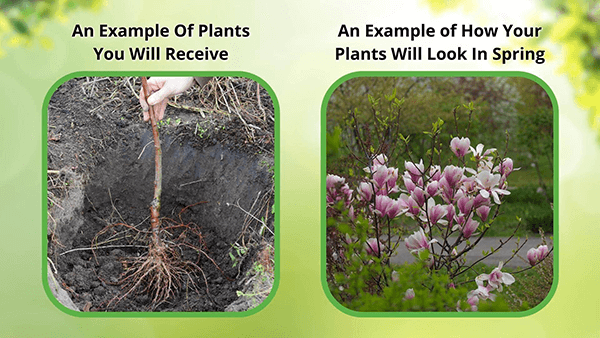
Plant bare-root stock as soon as it arrives, in well-drained soil with full to partial sun unless noted otherwise above. Water deeply once a week during the first growing season to establish a strong root system.
Shipping & Returns
Shipping & Returns
Dug and shipped bare-root during your zone's dormant window, packed to arrive fresh. Every order is backed by our first-season establishment guarantee — we'll replace it for you.