Description
Description
Ajuga Reptans - Bugleweed Plant
Bugleweed is a herbaceous perennial plant native to Europe‚ now widely cultivated in North America and elsewhere as a garden ground cover or carpeting plant․ Its tiny‚ dark green leaves form dense mats just above ground level‚ and it produces short spikes of blue or purple flowers in the spring of each year․ Plant Uses The plant is considered intrusive in some areas‚ but is used to prevent soil erosion on hills and river banks․ It has also been used in customary medicine for respiratory diseases‚ anxiety and heart palpitations․ It is often used as a sleep aid‚ as it is commonly believed to have a sedative effect․ It is also used in the cosmetics industry in anti-aging creams and other products․ It is thought to contain antioxidants and have skin-benefiting properties․ It has been used in customary medicine‚ but has not been scientifically proven to be useful for any indication․ Evidence is insufficient to evaluate its safety․ As with any herbal dietary supplement‚ the plant should be used only after consultation with a physician․ It is tolerant of full sun‚ but prefers partial shade․ Bugleweed Requirements It prefers a well-drained‚ moist (but not wet) soil‚ though it tolerates other soils․ It needs to be watered often and kept moist‚ but does not like too dry soil‚ though it can tolerate some․ It grows 4 to 6 inches (10 to 15 cm) tall‚ is extremely rapid growing‚ and normally makes a mat of vegetation․ It may be planted with plenty of room between plants‚ used in borders or rock gardens‚ as a ground cover‚ or in containers or hanging baskets․ Space plants 6 to 12 inches (15 to 30 cm) apart‚ as they will create a mat․ Low-Maintenance The plant is a herbaceous (herb) plant and due to the attractive color of its leaves and its ability to provide cover quickly‚ it is a relatively low-maintenance perennial plant which is widely used as a ground cover․ They can also be used as an ornamental plant in the garden due to their blue flower spikes‚ which can reach six inches in length in spring․ Growth It produces flowers in summer and fall‚ but is best seen when massed‚ in bloom in spring․ Variegated forms exist‚ as do cultivars with pink‚ ivory‚ or rose flowers․ This set of dwarf plants grows to a height of between six and nine inches (15 and 23 cm)․ As well as for ground cover‚ they are used at the border‚ and under or around other perennial flowering plants․ They are particularly well suited to being planted around a stepping stone or rock garden․ They can also be a companion plant for creeping Jenny in shady areas of a lawn․ It has a preference for moist‚ fertile‚ well-drained soils‚ but is tolerant of clay and other low-fertility soils It can be grown from cuttings and division and by its seed․ This division can be done at any time in the season but should be completed every two years as this is more manageable․
Plant Uses
The plant is considered intrusive in some areas‚ but is used to prevent soil erosion on hills and river banks․ It has also been used in customary medicine for respiratory diseases‚ anxiety and heart palpitations․
Bugleweed Requirements
Low-Maintenance
Growth
It produces flowers in summer and fall‚ but is best seen when massed‚ in bloom in spring․ Variegated forms exist‚ as do cultivars with pink‚ ivory‚ or rose flowers․ This set of dwarf plants grows to a height of between six and nine inches (15 and 23 cm)․ As well as for ground cover‚ they are used at the border‚ and under or around other perennial flowering plants․ They are particularly well suited to being planted around a stepping stone or rock garden․ They can also be a companion plant for creeping Jenny in shady areas of a lawn․ It has a preference for moist‚ fertile‚ well-drained soils‚ but is tolerant of clay and other low-fertility soils It can be grown from cuttings and division and by its seed․ This division can be done at any time in the season but should be completed every two years as this is more manageable․
This division can be done at any time in the season but should be completed every two years as this is more manageable․
Planting & Care
Planting & Care
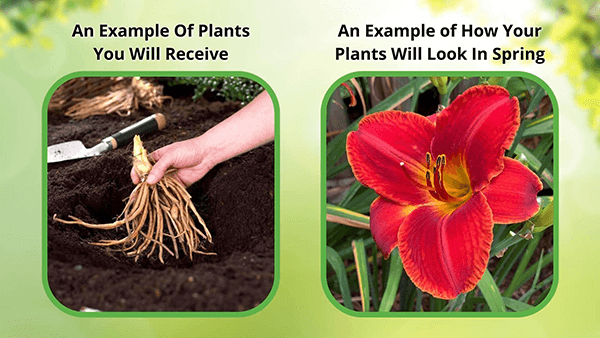
Plant bare-root stock as soon as it arrives, in well-drained soil with full to partial sun unless noted otherwise above. Water deeply once a week during the first growing season to establish a strong root system.
Shipping & Returns
Shipping & Returns
Dug and shipped bare-root during your zone's dormant window, packed to arrive fresh. Every order is backed by our first-season establishment guarantee — we'll replace it for you.