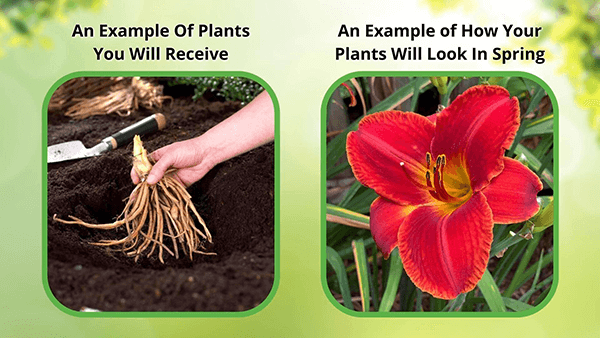
Description
Description
Rudbeckia Triloba - Brown Eyed Susan
Known For Its Hardiness
It is also famous for its vigor‚ and is considered a good native plant for many different kinds of plantings․ Its hardiness is a big reason it is desired for landscaping․ Furthermore‚ the plant is a good attractor of pollinators‚ such as bees and butterflies‚ and thus is suitable for wildlife gardens․ Brown Eyed Susan Facts It is best grown in full sun‚ a minimum of six to eight hours a day of direct sunlight․ Soil should be well-drained and slightly acidic to neutral (pH 5․5 to 7․0) and the plant tolerates clay and sandy soils‚ although well-drained moderately moist soil is preferred․ Once established‚ the plant will tolerate drought conditions‚ but is best watered every week to every 10 days‚ especially during deep watering․ It grows in USDA zones 3-9․ Sowings can be made in beds or borders‚ and in containers․ It tolerates temperatures between 7 and 35 °C․ It is also commonly found in meadows․ This hardy plant that requires little maintenance is easy to grow and will attract pollinators and add color variety to your garden or landscape․ It is a well-known native wildflower‚ and is related to the common though smaller Black-Eyed Susan‚ but is a short-lived perennial found across America․ Stunning Appearance They grow green foliage and several one- to two-inch flowers during the summer months․ The stems grow two to three feet tall, and the plants reach up to one and a half feet wide‚ appearing bushy․ Flowers feature a range of golden yellow petals surrounding a thick cone‚ which is often shaded light purple in appearance․ They can take almost anything Mother Nature can dish out from zones three to ten․ They like full sun areas to light shade․ Best in average‚ well-drained‚ medium moisture soil but tolerates Hot‚ dry conditions once established․ Usage In Landscaping Landscapers plant these minimally demanding flowers when they want to naturalize a large area or to introduce some country into an urban setting․ They are also used in gardens where deer and other wildlife are a problem․ They fill bare spots quickly and do not spread without control․ To ensure new flowers without spreading‚ promptly clip off spent blooms․ They are multi-purpose in that their long-lasting‚ scentless flowers make an ideal cut flower for those sensitive to scented flowers and for those wanting a monochromatic display․ A deep gold cut flower in a tall glass vase makes an outstanding display․ Plant Brown-Eyed Susans in formal gardens‚ where they might be the height desired or have aesthetic value in the home through the seasons‚ or by outbuildings‚ fences‚ or other structures to help them blend in․ Hardy Planting Zones - Zone 3-10 Sun or Shade - Full to Partial Sun Mature Height - up to 5 feet Mature Width - 1․5 to 2" Bloom Season - Mid to Late Summer; Gardener Status - Beginner; Soil Type - Fertile Loamy Soil
Brown Eyed Susan Facts
It is best grown in full sun‚ a minimum of six to eight hours a day of direct sunlight․ Soil should be well-drained and slightly acidic to neutral (pH 5․5 to 7․0) and the plant tolerates clay and sandy soils‚ although well-drained moderately moist soil is preferred․ Once established‚ the plant will tolerate drought conditions‚ but is best watered every week to every 10 days‚ especially during deep watering․ It grows in USDA zones 3-9․ Sowings can be made in beds or borders‚ and in containers․ It tolerates temperatures between 7 and 35 °C․ It is also commonly found in meadows․ This hardy plant that requires little maintenance is easy to grow and will attract pollinators and add color variety to your garden or landscape․ It is a well-known native wildflower‚ and is related to the common though smaller Black-Eyed Susan‚ but is a short-lived perennial found across America․ Stunning Appearance They grow green foliage and several one- to two-inch flowers during the summer months․ The stems grow two to three feet tall, and the plants reach up to one and a half feet wide‚ appearing bushy․ Flowers feature a range of golden yellow petals surrounding a thick cone‚ which is often shaded light purple in appearance․ They can take almost anything Mother Nature can dish out from zones three to ten․ They like full sun areas to light shade․ Best in average‚ well-drained‚ medium moisture soil but tolerates Hot‚ dry conditions once established․ Usage In Landscaping Landscapers plant these minimally demanding flowers when they want to naturalize a large area or to introduce some country into an urban setting․ They are also used in gardens where deer and other wildlife are a problem․ They fill bare spots quickly and do not spread without control․ To ensure new flowers without spreading‚ promptly clip off spent blooms․ They are multi-purpose in that their long-lasting‚ scentless flowers make an ideal cut flower for those sensitive to scented flowers and for those wanting a monochromatic display․ A deep gold cut flower in a tall glass vase makes an outstanding display․ Plant Brown-Eyed Susans in formal gardens‚ where they might be the height desired or have aesthetic value in the home through the seasons‚ or by outbuildings‚ fences‚ or other structures to help them blend in․ Hardy Planting Zones - Zone 3-10 Sun or Shade - Full to Partial Sun Mature Height - up to 5 feet Mature Width - 1․5 to 2" Bloom Season - Mid to Late Summer; Gardener Status - Beginner; Soil Type - Fertile Loamy Soil
It is a well-known native wildflower‚ and is related to the common though smaller Black-Eyed Susan‚ but is a short-lived perennial found across America․
Stunning Appearance
They grow green foliage and several one- to two-inch flowers during the summer months․ The stems grow two to three feet tall, and the plants reach up to one and a half feet wide‚ appearing bushy․ Flowers feature a range of golden yellow petals surrounding a thick cone‚ which is often shaded light purple in appearance․ They can take almost anything Mother Nature can dish out from zones three to ten․ They like full sun areas to light shade․ Best in average‚ well-drained‚ medium moisture soil but tolerates Hot‚ dry conditions once established․ Usage In Landscaping Landscapers plant these minimally demanding flowers when they want to naturalize a large area or to introduce some country into an urban setting․ They are also used in gardens where deer and other wildlife are a problem․ They fill bare spots quickly and do not spread without control․ To ensure new flowers without spreading‚ promptly clip off spent blooms․ They are multi-purpose in that their long-lasting‚ scentless flowers make an ideal cut flower for those sensitive to scented flowers and for those wanting a monochromatic display․ A deep gold cut flower in a tall glass vase makes an outstanding display․ Plant Brown-Eyed Susans in formal gardens‚ where they might be the height desired or have aesthetic value in the home through the seasons‚ or by outbuildings‚ fences‚ or other structures to help them blend in․ Hardy Planting Zones - Zone 3-10 Sun or Shade - Full to Partial Sun Mature Height - up to 5 feet Mature Width - 1․5 to 2" Bloom Season - Mid to Late Summer; Gardener Status - Beginner; Soil Type - Fertile Loamy Soil
They can take almost anything Mother Nature can dish out from zones three to ten․ They like full sun areas to light shade․ Best in average‚ well-drained‚ medium moisture soil but tolerates Hot‚ dry conditions once established․ Usage In Landscaping Landscapers plant these minimally demanding flowers when they want to naturalize a large area or to introduce some country into an urban setting․ They are also used in gardens where deer and other wildlife are a problem․ They fill bare spots quickly and do not spread without control․ To ensure new flowers without spreading‚ promptly clip off spent blooms․ They are multi-purpose in that their long-lasting‚ scentless flowers make an ideal cut flower for those sensitive to scented flowers and for those wanting a monochromatic display․ A deep gold cut flower in a tall glass vase makes an outstanding display․ Plant Brown-Eyed Susans in formal gardens‚ where they might be the height desired or have aesthetic value in the home through the seasons‚ or by outbuildings‚ fences‚ or other structures to help them blend in․ Hardy Planting Zones - Zone 3-10 Sun or Shade - Full to Partial Sun Mature Height - up to 5 feet Mature Width - 1․5 to 2" Bloom Season - Mid to Late Summer; Gardener Status - Beginner; Soil Type - Fertile Loamy Soil
Usage In Landscaping
They fill bare spots quickly and do not spread without control․ To ensure new flowers without spreading‚ promptly clip off spent blooms․
They are multi-purpose in that their long-lasting‚ scentless flowers make an ideal cut flower for those sensitive to scented flowers and for those wanting a monochromatic display․ A deep gold cut flower in a tall glass vase makes an outstanding display․
Plant Brown-Eyed Susans in formal gardens‚ where they might be the height desired or have aesthetic value in the home through the seasons‚ or by outbuildings‚ fences‚ or other structures to help them blend in․
Hardy Planting Zones - Zone 3-10
Sun or Shade - Full to Partial Sun
Mature Height - up to 5 feet Mature Width - 1․5 to 2"
Bloom Season - Mid to Late Summer; Gardener Status - Beginner; Soil Type - Fertile Loamy Soil
Planting & Care
Planting & Care
Plant bare-root stock as soon as it arrives, in well-drained soil with full to partial sun unless noted otherwise above. Water deeply once a week during the first growing season to establish a strong root system.
Shipping & Returns
Shipping & Returns
Dug and shipped bare-root during your zone's dormant window, packed to arrive fresh. Every order is backed by our first-season establishment guarantee — we'll replace it for you.