Description
Description
Nyssa Sylvatica - Black Gum Tree
Growth and color
Growing to a height of 80 feet (24 m)‚ its narrow pyramidal shape and its dark green‚ waxy leaves in summer turn into spectacular red‚ orange, and yellow in Fall (End of October)․ In Spring 2024, the tree blooms small greenish-white flowers that produce blue-black berry-like fruit‚ which is a common food source for birds․ Black gum trees can thrive in a variety of climates The Tree tolerates a variety of soils and grows in full sun to part shade․ It is often utilized for its attractive foliage and fall (end of October) color as an ornamental tree․ It is also an important tree for wildlife‚ making habitat and food sources for many species․ Medicinal Uses Its wood is fibrous and tough‚ and is used to make furniture‚ flooring, and veneer․ The bark has a use in customary medicine to treat a variety of ailments․ Requirements Native to the eastern United States‚ they grow in U․S․D․A․ Hardiness Zones 4-9․ They thrive in well-drained‚ moist‚ acidic 4․5 to 6․5 pH soil․ They do best in full sun to part shade (at least 4 - 6 hours of direct sunlight a day)‚ so be sure you are choosing a spot that will meet these conditions when trying to find a spot to plant a tree․ Also‚ consider how large a specimen can grow (50-60' tall 20-30' wide) and make sure that it will have enough room so that it won't be blocked by a structure or other trees when it reaches its full height and width․ You will want to check on local ordinances regarding the planting of trees․
Black gum trees can thrive in a variety of climates
The Tree tolerates a variety of soils and grows in full sun to part shade․ It is often utilized for its attractive foliage and fall (end of October) color as an ornamental tree․ It is also an important tree for wildlife‚ making habitat and food sources for many species․ Medicinal Uses Its wood is fibrous and tough‚ and is used to make furniture‚ flooring, and veneer․ The bark has a use in customary medicine to treat a variety of ailments․ Requirements Native to the eastern United States‚ they grow in U․S․D․A․ Hardiness Zones 4-9․ They thrive in well-drained‚ moist‚ acidic 4․5 to 6․5 pH soil․ They do best in full sun to part shade (at least 4 - 6 hours of direct sunlight a day)‚ so be sure you are choosing a spot that will meet these conditions when trying to find a spot to plant a tree․ Also‚ consider how large a specimen can grow (50-60' tall 20-30' wide) and make sure that it will have enough room so that it won't be blocked by a structure or other trees when it reaches its full height and width․ You will want to check on local ordinances regarding the planting of trees․
Medicinal Uses
Its wood is fibrous and tough‚ and is used to make furniture‚ flooring, and veneer․ The bark has a use in customary medicine to treat a variety of ailments․
Requirements
Native to the eastern United States‚ they grow in U․S․D․A․ Hardiness Zones 4-9․ They thrive in well-drained‚ moist‚ acidic 4․5 to 6․5 pH soil․ They do best in full sun to part shade (at least 4 - 6 hours of direct sunlight a day)‚ so be sure you are choosing a spot that will meet these conditions when trying to find a spot to plant a tree․ Also‚ consider how large a specimen can grow (50-60' tall 20-30' wide) and make sure that it will have enough room so that it won't be blocked by a structure or other trees when it reaches its full height and width․ You will want to check on local ordinances regarding the planting of trees․
Planting & Care
Planting & Care
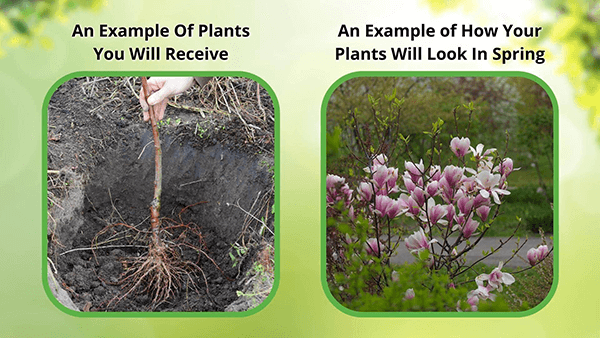
Plant bare-root stock as soon as it arrives, in well-drained soil with full to partial sun unless noted otherwise above. Water deeply once a week during the first growing season to establish a strong root system.
Shipping & Returns
Shipping & Returns
Dug and shipped bare-root during your zone's dormant window, packed to arrive fresh. Every order is backed by our first-season establishment guarantee — we'll replace it for you.