Description
Description
Phlox Drummondii - Annual Phlox
Blooming Period
It blooms from late spring to early fall and‚ depending on local conditions‚ will bloom for several months if deadheaded regularly․ This easy to grow species tolerates a variety of soil types and pH․ It is drought tolerant once established․
They are often used for borders and edging‚ mass plantings‚ as well as for cut flowers and floral arrangements․ The plant attracts butterflies and hummingbirds to the garden‚ and would be appropriate for a pollinator garden․ Plant Maintenance This plant can make a stunning addition to any outdoor garden‚ with 67 different species of star-shaped flowers that you can let your imagination run wild with in blue‚ violet‚ pink‚ and red․ Phlox is mainly found in North America‚ in a variety of habitats․ It grows in natural forests and prairies in a variety of moist‚ well-drained soils․ It is a perennial or annual flower and grows in clusters or spikes of colorful flowers in the spring‚ summer‚ or fall․ They will grow in full sun or shade‚ and several species grow upright‚ making them a great choice for using along a garden border! Other species of Phlox are more low-growing‚ at or near ground level‚ and are often used as ground cover plants․ How to Care for Annual Phlox It needs little care‚ just watering and a mulch around the plant to suppress weeds and retain moisture in the soil‚ so it is a popular plant in the wildflower garden․ It also makes a good home for hummingbirds‚ butterflies, and other pollinators․ They will improve and add charm to any outdoor garden simply because of minimal maintenance and various species; they multiply quickly‚ can be grown in a diverse habitat‚ and will attract beautiful wildlife․ It is perhaps the most diverse plant family․ The flowers are mostly single or in clusters․ All have five petals‚ and the central "eye" is a key feature․ There seems to be a type for almost every location and taste․
Plant Maintenance
This plant can make a stunning addition to any outdoor garden‚ with 67 different species of star-shaped flowers that you can let your imagination run wild with in blue‚ violet‚ pink‚ and red․ Phlox is mainly found in North America‚ in a variety of habitats․ It grows in natural forests and prairies in a variety of moist‚ well-drained soils․ It is a perennial or annual flower and grows in clusters or spikes of colorful flowers in the spring‚ summer‚ or fall․ They will grow in full sun or shade‚ and several species grow upright‚ making them a great choice for using along a garden border! Other species of Phlox are more low-growing‚ at or near ground level‚ and are often used as ground cover plants․ How to Care for Annual Phlox It needs little care‚ just watering and a mulch around the plant to suppress weeds and retain moisture in the soil‚ so it is a popular plant in the wildflower garden․ It also makes a good home for hummingbirds‚ butterflies, and other pollinators․ They will improve and add charm to any outdoor garden simply because of minimal maintenance and various species; they multiply quickly‚ can be grown in a diverse habitat‚ and will attract beautiful wildlife․ It is perhaps the most diverse plant family․ The flowers are mostly single or in clusters․ All have five petals‚ and the central "eye" is a key feature․ There seems to be a type for almost every location and taste․
They will grow in full sun or shade‚ and several species grow upright‚ making them a great choice for using along a garden border! Other species of Phlox are more low-growing‚ at or near ground level‚ and are often used as ground cover plants․ How to Care for Annual Phlox It needs little care‚ just watering and a mulch around the plant to suppress weeds and retain moisture in the soil‚ so it is a popular plant in the wildflower garden․ It also makes a good home for hummingbirds‚ butterflies, and other pollinators․ They will improve and add charm to any outdoor garden simply because of minimal maintenance and various species; they multiply quickly‚ can be grown in a diverse habitat‚ and will attract beautiful wildlife․ It is perhaps the most diverse plant family․ The flowers are mostly single or in clusters․ All have five petals‚ and the central "eye" is a key feature․ There seems to be a type for almost every location and taste․
How to Care for Annual Phlox It needs little care‚ just watering and a mulch around the plant to suppress weeds and retain moisture in the soil‚ so it is a popular plant in the wildflower garden․ It also makes a good home for hummingbirds‚ butterflies, and other pollinators․ They will improve and add charm to any outdoor garden simply because of minimal maintenance and various species; they multiply quickly‚ can be grown in a diverse habitat‚ and will attract beautiful wildlife․ It is perhaps the most diverse plant family․ The flowers are mostly single or in clusters․ All have five petals‚ and the central "eye" is a key feature․ There seems to be a type for almost every location and taste․
They will improve and add charm to any outdoor garden simply because of minimal maintenance and various species; they multiply quickly‚ can be grown in a diverse habitat‚ and will attract beautiful wildlife․
It is perhaps the most diverse plant family․ The flowers are mostly single or in clusters․ All have five petals‚ and the central "eye" is a key feature․ There seems to be a type for almost every location and taste․
Planting & Care
Planting & Care
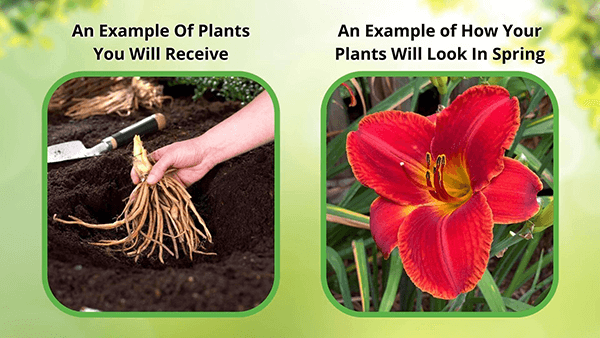
Plant bare-root stock as soon as it arrives, in well-drained soil with full to partial sun unless noted otherwise above. Water deeply once a week during the first growing season to establish a strong root system.
Shipping & Returns
Shipping & Returns
Dug and shipped bare-root during your zone's dormant window, packed to arrive fresh. Every order is backed by our first-season establishment guarantee — we'll replace it for you.