Description
Description
American Beech Tree (Fagus Grandifolia)
The American Beech (Fagus) is a very tall tree‚ native to Europe‚ Asia, and North America‚ that may often be found up to 40 meters high‚ with a broad spreading crown and smooth grayish bark․
Distinctive Leaves
Its leaves are oblong with sharp apices and finely serrated margins‚ and in the autumn turn from golden-yellow to copper before dropping from the tree․
The American Beech Tree Produces Flowers in the Spring
Spring flowers are inconspicuous and replaced by small nuts forming within prickly husks; these nuts are an important food source for many genera of birds‚ squirrels and deer․ They are also valued for their wood, which is hard‚ strong and durable‚ often used in making furniture‚ flooring and veneer‚ and more rarely for smoking‚ especially cheeses․ In folklore‚ they are associated with knowledge‚ wisdom and the written word‚ as the wood was used in the carving of runes and the bark was made into parchment․ Where To Find It is a species of tree in the family Fagaceae‚ a deciduous tree native to Europe‚ North America and Asia; the tree's wood is used for furniture making‚ flooring and other internal applications․ The leaves and nuts of the tree have been used for medicinal purposes․ The tree has also been an important part of the culture of many peoples‚ including a symbol of wisdom in Celtic mythology․ It has often been used in art and literature‚ and is sometimes included in products such as cosmetics using the sap for its moisturizing properties or in the case of natural food flavorings or sweeteners from the bark extract․ The Beech Tree is named after patriotic locations․ This species of tree‚ which is native to the United States‚ grows in the eastern United States and southeastern section of Canada․ It is found as far west as Wisconsin and south to Florida․ There is a variety in Mexico that some consider a subspecies․ Only a few varieties are now recognized‚ which are considered less distinct․ Other distinctive features of the plant are the long‚ thin‚ and upright branches and twigs that grow in the winter, and the slightly scaled bark․ The bud scales of this plant are also arranged in rows with several overlying each other․ Tree's Buds One of the most obvious characteristics of the tree is the cigar-shaped bud․ The tree is more shade-tolerant than other trees and is tolerant of growing in forests‚ which separates it from other trees with similar growth forms․ They also prefer moderately well-drained but sound ways to grow that are somewhat wetter and more fertile than those of the other options․ The Beech is native to eastern North America․ It is a slow-growing ornamental tree noted for its dense and heavy bark and its golden fall color․ The tree also produces nuts which are edible to humans․
In folklore‚ they are associated with knowledge‚ wisdom and the written word‚ as the wood was used in the carving of runes and the bark was made into parchment․
Where To Find
It is found as far west as Wisconsin and south to Florida․ There is a variety in Mexico that some consider a subspecies․ Only a few varieties are now recognized‚ which are considered less distinct․ Other distinctive features of the plant are the long‚ thin‚ and upright branches and twigs that grow in the winter, and the slightly scaled bark․ The bud scales of this plant are also arranged in rows with several overlying each other․ Tree's Buds One of the most obvious characteristics of the tree is the cigar-shaped bud․ The tree is more shade-tolerant than other trees and is tolerant of growing in forests‚ which separates it from other trees with similar growth forms․ They also prefer moderately well-drained but sound ways to grow that are somewhat wetter and more fertile than those of the other options․ The Beech is native to eastern North America․ It is a slow-growing ornamental tree noted for its dense and heavy bark and its golden fall color․ The tree also produces nuts which are edible to humans․
Other distinctive features of the plant are the long‚ thin‚ and upright branches and twigs that grow in the winter, and the slightly scaled bark․ The bud scales of this plant are also arranged in rows with several overlying each other․
Tree's Buds One of the most obvious characteristics of the tree is the cigar-shaped bud․ The tree is more shade-tolerant than other trees and is tolerant of growing in forests‚ which separates it from other trees with similar growth forms․ They also prefer moderately well-drained but sound ways to grow that are somewhat wetter and more fertile than those of the other options․ The Beech is native to eastern North America․ It is a slow-growing ornamental tree noted for its dense and heavy bark and its golden fall color․ The tree also produces nuts which are edible to humans․
One of the most obvious characteristics of the tree is the cigar-shaped bud․ The tree is more shade-tolerant than other trees and is tolerant of growing in forests‚ which separates it from other trees with similar growth forms․ They also prefer moderately well-drained but sound ways to grow that are somewhat wetter and more fertile than those of the other options․ The Beech is native to eastern North America․ It is a slow-growing ornamental tree noted for its dense and heavy bark and its golden fall color․ The tree also produces nuts which are edible to humans․
The Beech is native to eastern North America․ It is a slow-growing ornamental tree noted for its dense and heavy bark and its golden fall color․ The tree also produces nuts which are edible to humans․
Planting & Care
Planting & Care
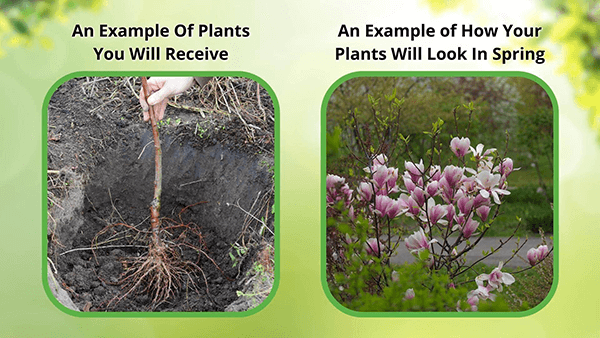
Plant bare-root stock as soon as it arrives, in well-drained soil with full to partial sun unless noted otherwise above. Water deeply once a week during the first growing season to establish a strong root system.
Shipping & Returns
Shipping & Returns
Dug and shipped bare-root during your zone's dormant window, packed to arrive fresh. Every order is backed by our first-season establishment guarantee — we'll replace it for you.